
Moscow Region Sees Record Snowfall: What It Means for Winter 2025
Moscow region experiences unprecedented snowfall, affecting winter activities and climate patterns. Discover the implications for the season ahead.
- BackZee
- 4 min read
TL;DR 🚀
Make sure to check our deep dive on why this matters.
- Moscow region received up to one-third of its monthly precipitation in snow.
- The snow is expected to persist until next year.
- This unusual weather pattern raises questions about climate trends.
- Local infrastructure is struggling to cope with the heavy snowfall.
- Increased snowfall may benefit winter tourism, but also poses risks for safety.
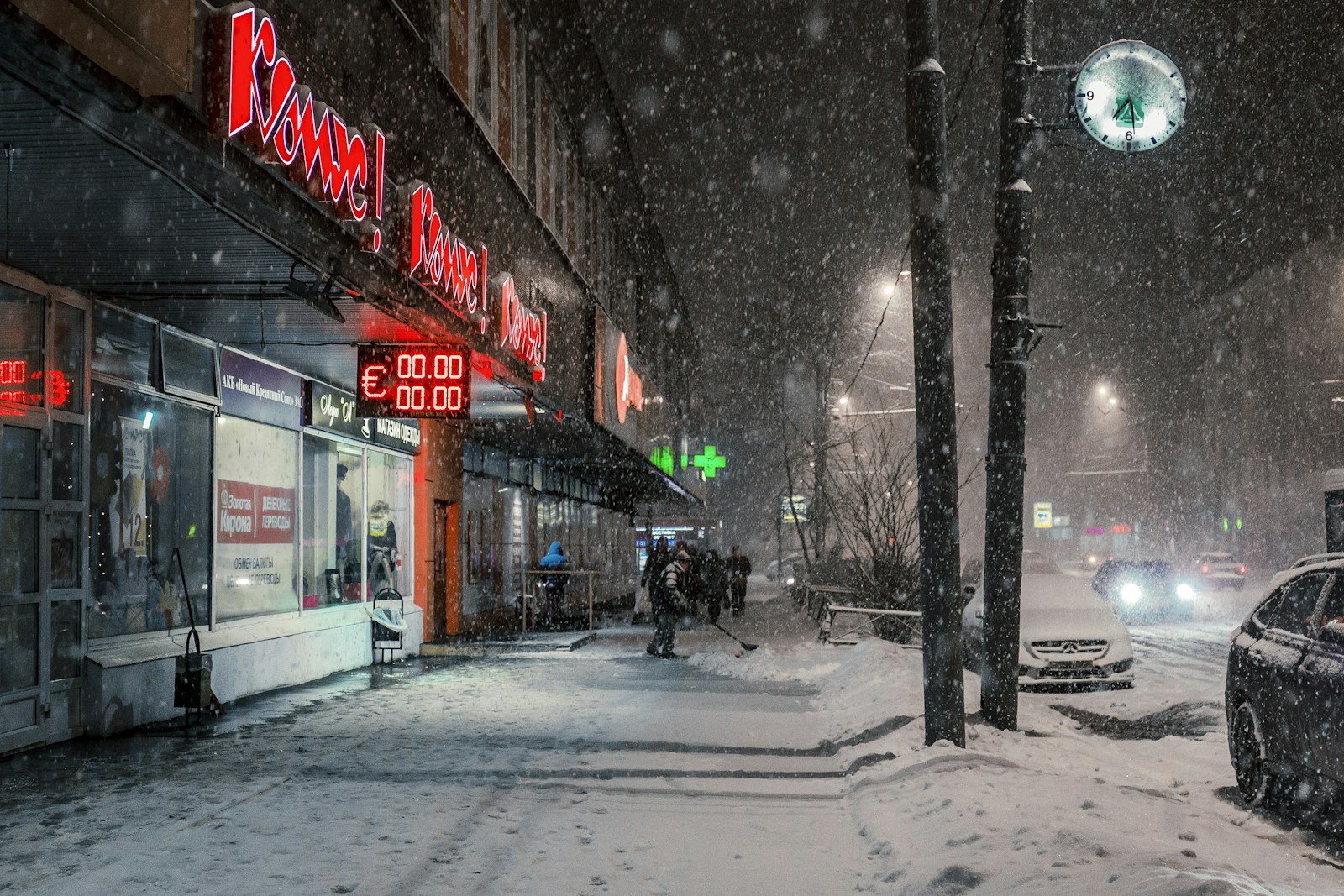
The Moscow region is currently blanketed in an extraordinary amount of snow, with reports indicating that up to one-third of the monthly precipitation has fallen in just a few days. This heavy snowfall is not just a seasonal occurrence; it has the potential to influence winter activities and raise concerns about climate patterns in the area. The sheer volume of snow has transformed the city into a picturesque winter wonderland, but it has also brought significant challenges.
Record Snowfall in Moscow ❄️
The recent weather in the Moscow region has been nothing short of remarkable. Heavy snowfalls have led to a winter landscape that many residents haven’t seen in years. With temperatures remaining low, this snow is expected to stick around, possibly until the next year. According to the Russian Meteorological Service, the region has recorded over 50 cm of snow in just a few days, a stark contrast to the average December snowfall of around 20 cm.
This phenomenon has sparked discussions among meteorologists and climate experts. They are analyzing how such extreme weather events might become more common due to climate change. The implications for local ecosystems and winter sports are significant, as the region prepares for a longer and potentially harsher winter.
Impacts on Daily Life
- Transportation Disruptions: Roads and public transport have been affected, leading to delays and cancellations. Reports indicate that traffic congestion has increased by 40% during peak hours due to the snow, with many commuters facing longer travel times.
- Winter Sports Boost: Ski resorts and winter activities may benefit from the increased snowfall. Popular destinations like Kant Ski Resort and Ski Park Krylatskoye are seeing a surge in visitors, with bookings up by 30% compared to last year.
- Climate Awareness: Residents are becoming more aware of how extreme weather can impact their lives. Community discussions and workshops on climate resilience and adaptation strategies are being organized, reflecting a growing concern about future weather patterns.
Climate Change and Weather Patterns 🌍
As the snowfall continues, many are left wondering about the connection between this weather and broader climate change trends. The unprecedented amount of snow raises questions about how future winters might look in Moscow and beyond.
Experts suggest that while heavy snowfalls can be part of natural variability, they may also signal a shift in weather patterns influenced by global warming. A study published in the journal Nature Climate Change indicates that regions like Moscow could experience more frequent and intense winter storms as the climate continues to warm. This could lead to a cycle of extreme weather events that challenge local infrastructure and emergency services.
For more insights on climate impacts, check out our post on climate change effects.
Quick Takeaways 📌
- Moscow’s snowfall is significantly above average for December.
- The persistence of snow could lead to longer-term winter conditions.
- Increased snowfall may correlate with changing climate patterns.
- Local businesses are adapting to the influx of winter tourists.
- Infrastructure improvements may be necessary to handle future snowfalls.
FAQ ❔
What caused the heavy snowfall in Moscow?
The heavy snowfall is attributed to a combination of cold air masses and moisture-laden systems moving into the region, creating ideal conditions for snow accumulation. Meteorologists have noted that the Arctic Oscillation has played a significant role in this weather pattern, allowing cold air to plunge southward.
How long is the snow expected to last?
Meteorologists predict that the snow will remain on the ground until at least early next year, depending on temperature fluctuations and additional precipitation. The forecast suggests that temperatures may remain below freezing, which would help preserve the snow cover.
What are the implications for winter sports?
The increased snowfall could provide a boost for winter sports enthusiasts and local ski resorts, offering better conditions for skiing and snowboarding. However, safety concerns also arise, as avalanche risks may increase in certain areas. Ski resorts are implementing additional safety measures to ensure the well-being of visitors.
How are local authorities responding to the snowfall?
Local authorities are mobilizing resources to clear roads and ensure public safety. Snow removal operations are in full swing, with additional crews deployed to handle the unprecedented snowfall. Residents are encouraged to stay informed through local news outlets and government announcements regarding travel advisories and safety tips.
The current weather situation in the Moscow region serves as a reminder of the complexities of our climate. As we navigate through this winter wonderland, it’s crucial to consider the broader implications of such weather patterns on our environment and daily lives. The interplay between extreme weather and climate change is a topic that will continue to evolve, making it essential for communities to adapt and prepare for the future.