
Moscow's Snow Melts Away: What It Means for Spring 2026
Moscow experiences a significant snow melt as spring approaches. Discover the implications for the city and its residents. Discover why it matters and what happ
- BackZee
- 5 min read
TL;DR 🚀
Make sure to check our deep dive on why this matters.
- Almost all snow in Moscow has melted as spring arrives.
- This change signals warmer temperatures and seasonal shifts.
- Residents are preparing for outdoor activities and springtime events.
- The snow melt has environmental implications for local ecosystems.
- Cultural events are set to flourish as the city embraces the new season.
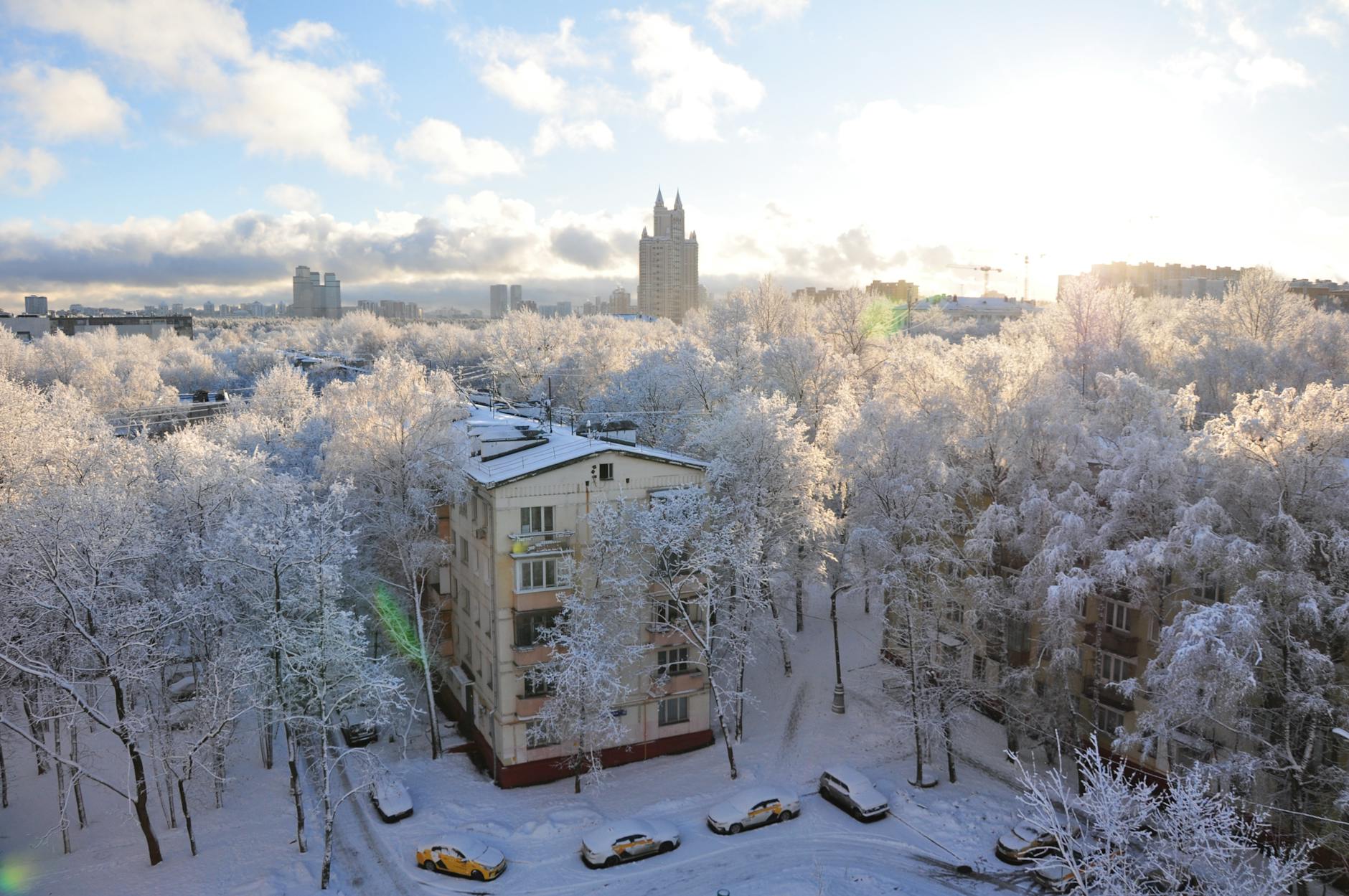
As spring unfolds in Moscow, the city is witnessing a remarkable transformation with the melting of nearly all its snow. This seasonal shift not only marks the end of winter but also brings a wave of excitement as residents look forward to warmer days and outdoor activities. The snow melt is not just a meteorological event; it carries significant implications for the city’s social, environmental, and cultural landscape.
Snow’s Farewell in Moscow ❄️
In a recent update, meteorologists confirmed that Moscow has experienced a significant snow melt. This phenomenon is typical as the city transitions into spring, but this year, the melt has occurred more rapidly than usual. With temperatures rising, the snow that blanketed the streets and parks is quickly disappearing, revealing the bare ground beneath.
The implications of this snow melt are profound. Warmer weather is expected to follow, encouraging residents to step outside and enjoy the fresh air. Parks and public spaces will soon be bustling with activity as people embrace the change in season.
- Temperature Rise: As the snow melts, temperatures are expected to climb, creating a more pleasant environment. Historical data shows that the average temperature in Moscow during late March typically hovers around 5°C (41°F), but this year, forecasts predict a rise to 10°C (50°F) or higher.
- Outdoor Activities: With the snow gone, locals are eager to engage in spring sports and leisure activities. From jogging along the Moskva River to cycling in Gorky Park, the melting snow opens the door to a vibrant social scene.
What This Means for Moscow’s Residents 🌸
The melting snow is more than just a seasonal change; it represents a shift in lifestyle for many Muscovites. As the city prepares for spring, residents are gearing up for various outdoor events and activities. From picnics in the park to sports leagues, the melting snow opens the door to a vibrant social scene.
Moreover, this change also has environmental implications. The melting snow contributes to the local ecosystem, providing necessary water for plants and wildlife as they emerge from winter dormancy. The arrival of spring not only rejuvenates the landscape but also enhances the overall quality of life in the city.
In addition to the environmental benefits, the cultural scene in Moscow is set to flourish. Spring is traditionally a time for festivals, art exhibitions, and outdoor concerts. Events such as the Moscow Spring A Cappella Festival and the Moscow Flower Festival draw thousands of visitors, showcasing the city’s rich cultural tapestry. These events not only celebrate the arrival of spring but also foster community engagement and tourism.
Quick Takeaways 📌
- The snow melt in Moscow is a sign of the changing seasons.
- Residents are excited for outdoor activities and events.
- Warmer temperatures are expected to follow the snow’s disappearance.
- The melting snow benefits the local ecosystem and prepares the ground for spring flora.
- Cultural events are on the horizon, enhancing community spirit.
FAQ ❔
Why is the snow melting so quickly this year?
The rapid snow melt can be attributed to unseasonably warm temperatures that have arrived earlier than usual. This trend is becoming more common as climate patterns shift. Climate change has led to fluctuating weather patterns, and Moscow is not immune to these changes. The average annual temperature in Moscow has risen by approximately 1.5°C (2.7°F) over the past century, contributing to earlier snow melts.
What activities can residents look forward to in spring?
With the snow gone, residents can enjoy a variety of outdoor activities, including picnics, sports, and cultural events. Parks will be lively with people taking advantage of the warmer weather. Popular activities include outdoor yoga classes, cycling tours, and even open-air markets that showcase local crafts and foods.
How does the snow melt affect the environment?
The melting snow is beneficial for the local ecosystem, providing much-needed moisture for plants and animals as they emerge from winter. This natural cycle is crucial for maintaining the health of the environment. Additionally, the meltwater replenishes groundwater supplies, which is vital for sustaining the city’s green spaces throughout the warmer months.
Are there any health benefits associated with the arrival of spring?
Yes, the arrival of spring can have several health benefits. Increased sunlight exposure boosts vitamin D levels, which is essential for bone health and immune function. Moreover, the opportunity to engage in outdoor activities promotes physical fitness and mental well-being, reducing stress and enhancing mood.
As Moscow transitions into spring, the melting snow serves as a reminder of the changing seasons and the vibrant life that awaits. Residents are ready to embrace the warmth and enjoy all that this beautiful season has to offer, from outdoor adventures to cultural festivities. The city is not just shedding its winter coat; it is stepping into a season filled with promise and renewal.