
Moscow Unveils New Urban Train Station: Petrovsky-Razumovskaya
Moscow's Petrovsky-Razumovskaya station opens, enhancing urban transit and connectivity for commuters. Discover why it matters for Gen-Z readers.
- BackZee
- 5 min read
TL;DR 🚀
Make sure to check our deep dive on why this matters.
- Moscow has launched the Petrovsky-Razumovskaya train station.
- The station is part of the MCD-1 line, improving city connectivity.
- This development aims to ease commuter traffic and enhance public transport.
- The station features modern amenities designed for a better commuter experience.
- It plays a crucial role in reducing congestion and promoting sustainable urban mobility.
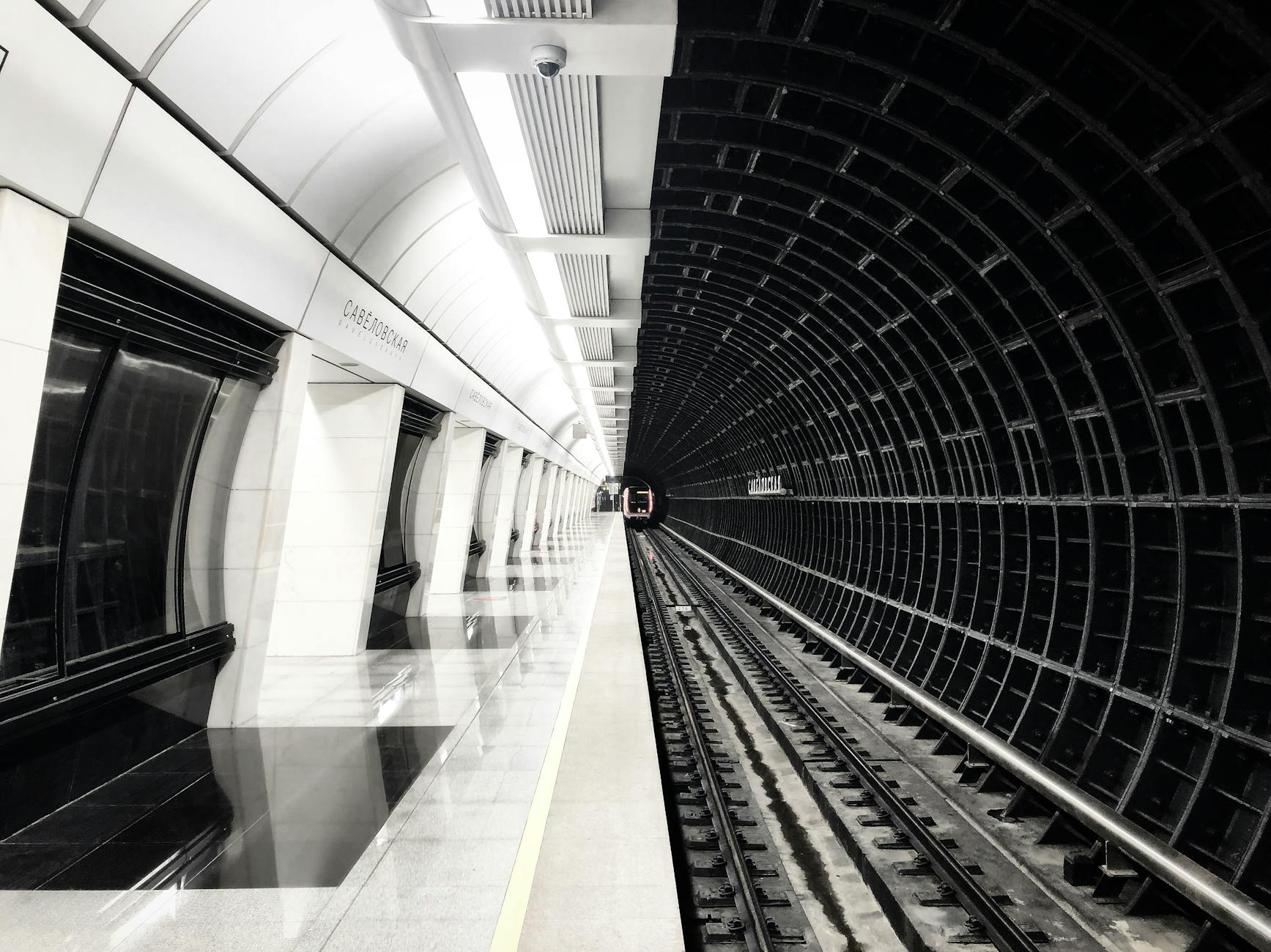
Moscow has just taken a significant step in urban transit with the opening of the Petrovsky-Razumovskaya train station. This new addition to the MCD-1 line is set to transform the daily commute for many, making travel across the city more efficient and accessible. The station is not merely a transit point; it symbolizes Moscow’s commitment to modernizing its public transportation infrastructure to meet the demands of a growing urban population.
A New Era for Commuters 🚆
The Petrovsky-Razumovskaya station is not just another stop on the map; it represents a major upgrade to Moscow’s public transportation network. Designed with modern amenities, the station aims to accommodate the growing number of commuters in the city. According to recent statistics, Moscow’s population has surpassed 12 million, leading to an increased demand for efficient public transit solutions.
With this new station, travelers can expect a more streamlined experience. Features include spacious waiting areas, digital information displays, and improved accessibility for individuals with disabilities. The station is strategically located to serve both local residents and those traveling to and from the city center. For instance, it connects neighborhoods such as Petrovsky Park and Razumovskaya, enhancing accessibility for thousands of residents.
Moreover, the opening of this station is part of a broader initiative to enhance urban mobility in Moscow. The MCD-1 line, which connects various districts, is crucial for reducing congestion on the roads and providing a reliable alternative to car travel. The line is projected to carry over 400,000 passengers daily, significantly alleviating the pressure on the city’s road networks.
Enhancing Connectivity 🌍
The Petrovsky-Razumovskaya station is poised to play a pivotal role in connecting different parts of the city. It links several key neighborhoods and provides easy access to major transit hubs, such as the Moscow Metro and bus terminals. This connectivity is essential for fostering economic growth and improving the quality of life for residents. For example, commuters can now travel from the outskirts of the city to the bustling center in a fraction of the time it used to take.
Additionally, the station is designed to integrate seamlessly with other forms of public transport, including buses and trams. This multi-modal approach ensures that commuters have various options for reaching their destinations. The integration of real-time tracking systems allows passengers to plan their journeys more effectively, reducing wait times and enhancing the overall travel experience. For more insights on urban transit developments, check out our post on /posts/moscow-urban-transit-initiatives.
Quick Takeaways 📌
- The station is equipped with modern facilities for a better commuter experience.
- It aims to reduce traffic congestion in Moscow.
- The MCD-1 line enhances accessibility to various city districts.
- The station supports sustainable urban mobility initiatives.
- It is expected to significantly increase daily ridership and improve transit efficiency.
Cultural Insights and Future Implications 🎨
The opening of the Petrovsky-Razumovskaya station is not just a technical achievement; it also reflects a cultural shift in how Moscow views public transportation. Historically, the city has been heavily reliant on cars, leading to significant traffic congestion and pollution. However, with increasing awareness of environmental issues and urban sustainability, there is a growing emphasis on developing a robust public transport system.
The station is designed with sustainability in mind, featuring energy-efficient systems and materials that minimize its environmental footprint. This aligns with Moscow’s broader goals of reducing greenhouse gas emissions and promoting eco-friendly transportation options. As cities worldwide grapple with climate change, Moscow’s investment in public transit could serve as a model for other urban centers.
FAQ ❔
What is the significance of the Petrovsky-Razumovskaya station?
The Petrovsky-Razumovskaya station is significant as it enhances public transportation in Moscow, providing better connectivity and easing commuter traffic. It is part of a larger strategy to modernize the city’s transit infrastructure.
How does this station improve urban mobility?
This station improves urban mobility by linking key neighborhoods and integrating with other public transport systems, making it easier for residents to navigate the city. It also reduces reliance on cars, contributing to less congestion and pollution.
What amenities are available at the new station?
The station features spacious waiting areas, digital information displays, and facilities for individuals with disabilities, ensuring a comfortable experience for all commuters. Additionally, it includes retail spaces and food options to enhance the commuter experience.
How will the station impact local neighborhoods?
The station is expected to stimulate local economies by increasing foot traffic and providing residents with easier access to services and amenities. This could lead to improved property values and a more vibrant community atmosphere.
What are the future plans for Moscow’s public transport?
Moscow plans to continue expanding its public transport network, with additional stations and lines in development. The focus will be on integrating various modes of transport and enhancing sustainability to meet the needs of a growing urban population.
The opening of the Petrovsky-Razumovskaya train station marks a transformative moment for Moscow’s public transit landscape. As the city continues to grow, such developments are vital for maintaining efficient transportation and enhancing the overall commuter experience. With its modern design and strategic location, this station is set to become a cornerstone of urban mobility in the capital.