
Moscow's Panccake Ingredients See 4% Price Hike for Maslenitsa
Moscow's pancake-making costs rise by 4% this year, impacting Maslenitsa celebrations. Learn more about the economic factors behind this increase.
- BackZee
- 5 min read
TL;DR 🚀
- Traditional pancake ingredients in Moscow have increased in price by 4.1%.
- This rise affects the upcoming Maslenitsa celebrations.
- Economic factors are influencing food costs across the city.
- Families may need to adapt their traditional recipes due to rising costs.
- Creative alternatives could emerge as a response to the price hike.
As Maslenitsa approaches, Moscow residents are facing a 4.1% increase in the cost of essential ingredients for pancake preparation compared to last year. This news comes from Olga Lebedinskaya, an economist from the Plekhanov Russian University of Economics, who shared insights on the rising prices impacting this beloved cultural celebration. Maslenitsa, often referred to as “Butter Week,” is a time for feasting, festivities, and the consumption of blini, the traditional Russian pancakes that symbolize the sun and the end of winter.
Pancake Prices on the Rise 📈
The traditional Russian holiday of Maslenitsa, known for its delicious pancakes, is set to be more expensive this year. Key ingredients such as flour, eggs, and milk have all seen price increases, making it a bit tougher for families to enjoy this festive treat.
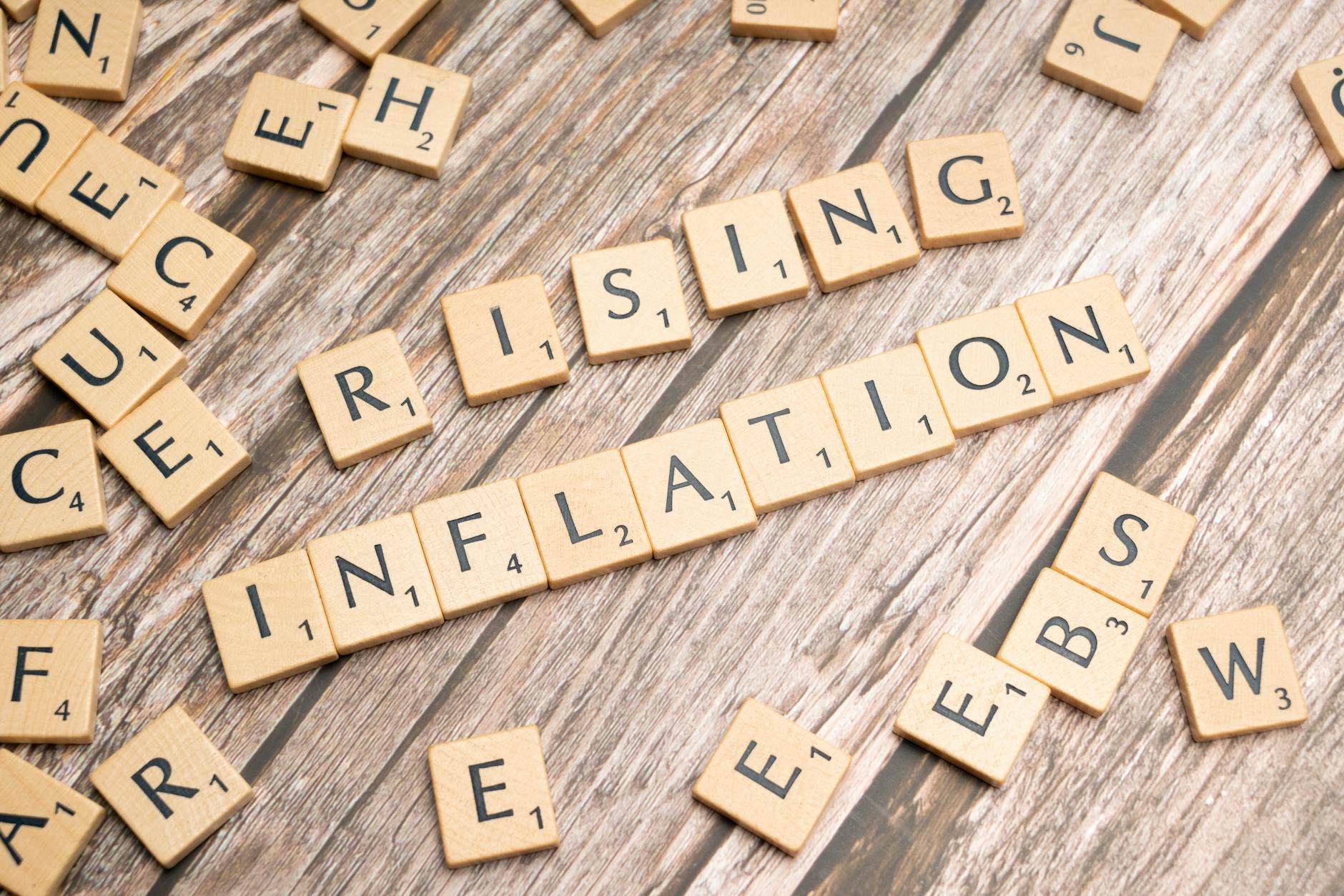
Lebedinskaya pointed out that the surge in prices is a reflection of broader economic trends affecting food costs in Moscow. Factors such as inflation, supply chain disruptions, and increased demand during the holiday season are all contributing to this uptick.
- Flour prices have notably risen, impacting the overall cost of pancake-making. For instance, the price of a kilogram of flour has jumped from 50 rubles to approximately 52 rubles.
- Eggs, a staple ingredient, are also seeing higher prices, which could alter traditional recipes. The cost of a dozen eggs has increased from 80 rubles to 85 rubles, making it a significant consideration for families planning their Maslenitsa menus.
This price increase is not just a minor inconvenience; it reflects a broader trend in the food market. According to the Federal State Statistics Service, food prices in Russia have been on a steady rise, with an average increase of 5% over the past year. This trend is particularly pronounced in urban areas like Moscow, where the cost of living is higher.
Economic Factors at Play 💰
The rise in pancake ingredient prices isn’t just a local issue; it’s part of a larger economic landscape. The economist highlighted that inflation rates and market fluctuations are driving costs up across various sectors. For those interested in the details, you can explore more about the economic implications of food pricing in our previous post on food inflation trends.
As families prepare for Maslenitsa, many are likely to adjust their budgets and recipes. Some may even opt for alternative ingredients or smaller quantities to manage expenses. This shift could lead to a more creative approach to traditional dishes, as people find ways to celebrate without overspending. For example, some families might substitute traditional wheat flour with buckwheat flour, which is not only a staple in Russian cuisine but also offers a unique flavor profile and is often considered healthier.
Cultural Insights 🌍
Maslenitsa is not just about pancakes; it is a week-long celebration filled with cultural significance. The holiday marks the end of winter and the arrival of spring, symbolizing renewal and hope. Traditionally, it involves various festivities, including sledding, singing, and dancing, culminating in the burning of a straw effigy, which represents winter. The rising costs of pancake ingredients could impact the overall spirit of the celebration, as families may choose to scale back on festivities or find innovative ways to celebrate within their means.
Moreover, the communal aspect of Maslenitsa—where families and friends gather to share meals—might be affected. The tradition of inviting neighbors over for a stack of blini could see fewer gatherings as families adjust their budgets. This could lead to a shift in how the community engages during this festive time, with smaller, more intimate gatherings becoming the norm.
Quick Takeaways 📌
- The cost of pancake ingredients has increased by 4.1% in Moscow.
- Economic factors such as inflation are influencing food prices.
- Families may need to adjust their Maslenitsa celebrations due to rising costs.
- Creative alternatives to traditional recipes may emerge as a response to price hikes.
- The cultural significance of Maslenitsa could be impacted by these economic changes.
FAQ ❔
Why are pancake ingredients more expensive this year?
The increase in prices is attributed to inflation, supply chain issues, and heightened demand during the Maslenitsa holiday. The ongoing geopolitical tensions and their impact on trade routes have also contributed to rising costs.
How does this affect Maslenitsa celebrations?
Families may need to rethink their budgets and recipes, potentially leading to creative adaptations of traditional dishes. Smaller gatherings may become more common as people adjust to the economic realities.
What are the key ingredients that have seen price increases?
Flour, eggs, and milk are among the main ingredients that have become more expensive, impacting the overall cost of pancake preparation. Additionally, butter, which is often used in pancake recipes, has also seen a price increase, making it a luxury for some families.
Are there any alternatives to traditional pancake ingredients?
Yes, some families might consider using alternative flours, such as buckwheat or oat flour, which can add unique flavors and textures to pancakes. Additionally, plant-based milk alternatives could be used in place of dairy milk, catering to dietary preferences while potentially being more cost-effective.
As the holiday approaches, it’s clear that the rising costs will shape how Muscovites celebrate Maslenitsa this year. While the love for pancakes remains strong, the economic realities are prompting a shift in how these cherished traditions are upheld. The resilience and creativity of families in adapting to these changes will undoubtedly play a significant role in preserving the spirit of this beloved holiday.