
Moscow's Housing Market Sees a 30% Drop in Transactions
Moscow experiences a significant decline in housing transactions due to the 'Dolina Effect'. Discover why it matters for Gen-Z readers. Stay tuned for more insi
- BackZee
- 5 min read
TL;DR 🚀
Make sure to check our deep dive on why this matters.
- Housing transactions in Moscow have plummeted by 30%.
- The decline is attributed to the “Dolina Effect.”
- Experts predict a prolonged impact on the market.
- Rising interest rates and inflation are key contributing factors.
- The downturn has broader implications for Moscow’s economy.
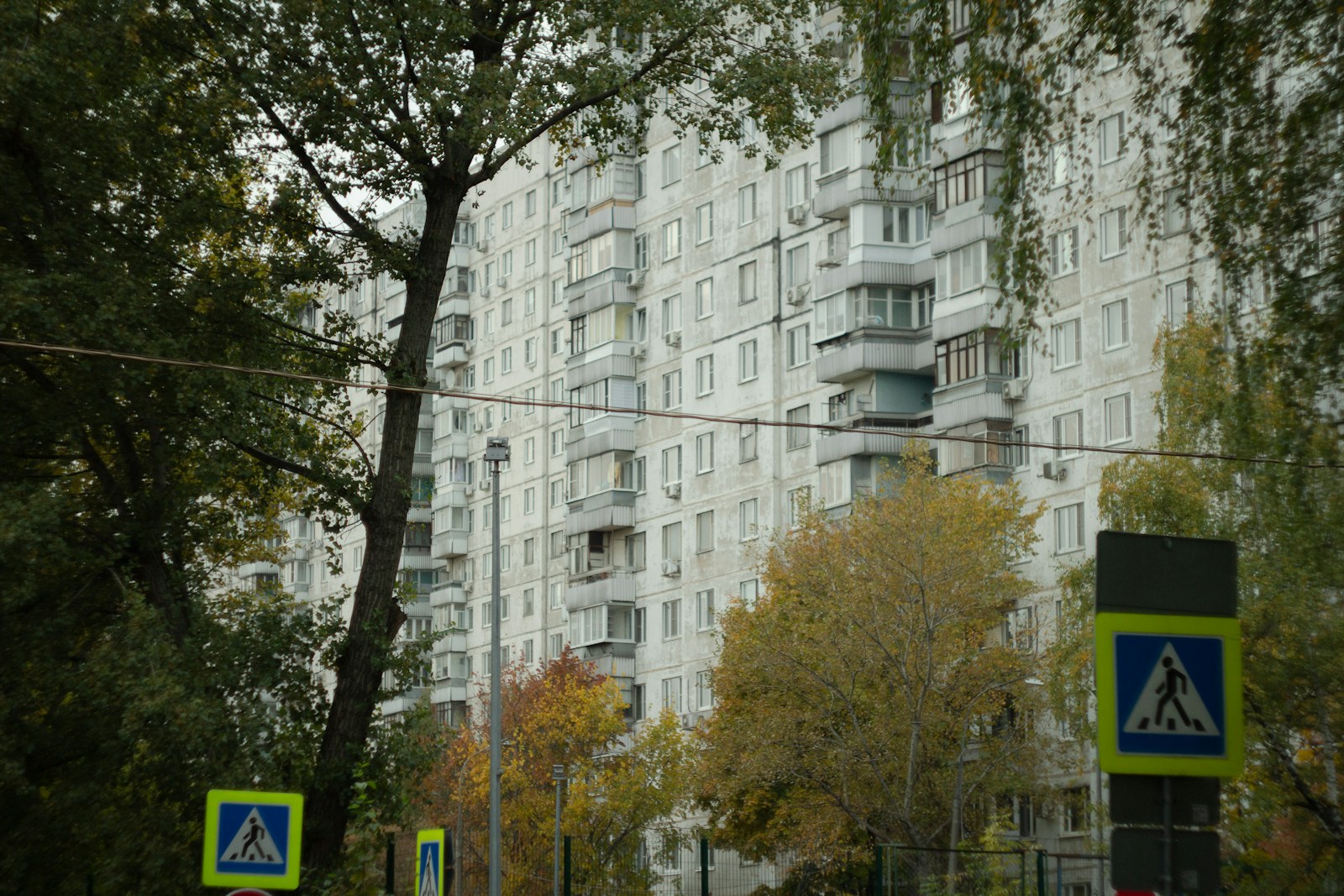
Moscow’s housing market is currently experiencing a dramatic downturn, with a staggering 30% reduction in property transactions. This decline has been linked to the so-called “Dolina Effect,” which has reshaped buyer behavior and market dynamics in the city. Understanding the nuances of this phenomenon is essential for anyone interested in the real estate landscape of Moscow.
Understanding the Dolina Effect 📉
The “Dolina Effect” refers to a phenomenon where economic uncertainty and changing buyer preferences lead to a significant slowdown in real estate transactions. In Moscow, this has resulted in a sharp decrease in the number of homes being bought and sold.
Several factors contribute to this effect, including rising interest rates and a general sense of caution among potential buyers. Many are opting to wait for more favorable conditions before making a purchase, which has led to a backlog of unsold properties. According to recent statistics, the number of homes sold in Moscow has dropped from approximately 30,000 transactions per quarter to around 21,000, highlighting the severity of the situation.
Additionally, the increased cost of living and inflation have made it harder for average citizens to afford homes, further exacerbating the situation. The inflation rate in Russia has hovered around 8% in recent months, significantly impacting disposable income. As a result, the market is seeing a shift in demand, with buyers becoming more selective and price-sensitive.
Cultural Insights
The cultural context in Moscow also plays a crucial role in understanding the housing market dynamics. Traditionally, owning property has been seen as a symbol of success and stability in Russian society. However, the current economic climate is causing many potential buyers to reconsider their priorities.
For instance, younger generations are increasingly valuing experiences over material possessions, leading to a rise in rental markets rather than ownership. This cultural shift is further compounded by the fact that many families are now prioritizing financial security over home ownership, especially in a time of economic uncertainty.
The Broader Implications for Moscow’s Economy 🌍
The decline in housing transactions is not just a real estate issue; it has broader implications for the Moscow economy as a whole. A slowdown in the housing market can lead to reduced consumer spending and lower confidence in the economy.
Real estate is a significant driver of economic activity, impacting various sectors, including construction, finance, and retail. With fewer transactions, related businesses may also experience a downturn, leading to potential job losses and economic stagnation.
For example, the construction sector, which employs thousands of workers, may face layoffs as projects are put on hold due to decreased demand for new homes. A report from the Moscow Chamber of Commerce indicates that a 30% drop in housing transactions could lead to a 10% reduction in construction jobs over the next year.
Experts suggest that this trend could persist for some time, as the uncertainty surrounding the economy continues to loom large. The longer the market remains stagnant, the more challenging it will be for recovery.
Economic Indicators
To further illustrate the impact of the Dolina Effect, consider the following economic indicators:
- Interest Rates: The Central Bank of Russia has raised interest rates to combat inflation, making mortgages more expensive. Current mortgage rates are averaging around 12%, up from 8% just a year ago.
- Consumer Confidence Index: Recent surveys indicate that consumer confidence in the housing market has dropped significantly, with only 25% of respondents believing it is a good time to buy a home.
- Rental Market Trends: Interestingly, while sales have declined, the rental market has seen a slight uptick, as more people opt for renting rather than buying, leading to increased competition and rising rental prices in certain districts.
Quick Takeaways 📌
- The housing market in Moscow has dropped by 30% due to the Dolina Effect.
- Economic uncertainty is leading to buyer hesitation.
- The slowdown could have lasting effects on the broader economy.
- Cultural shifts are influencing buyer behavior, with more individuals prioritizing financial security.
- Key economic indicators show rising interest rates and declining consumer confidence.
FAQ ❔
What is the Dolina Effect?
The Dolina Effect describes a situation where economic uncertainty leads to a significant decline in real estate transactions, as buyers become more cautious and selective.
How does this affect the average buyer?
Average buyers may find it harder to secure financing due to rising interest rates and may choose to delay purchases until the market stabilizes. Additionally, the increased cost of living means that many buyers are reassessing their budgets and priorities.
What are the long-term predictions for Moscow’s housing market?
Experts believe that the current downturn could last for an extended period, potentially leading to a prolonged period of low transactions and economic challenges in related sectors. The housing market may not recover until there is a significant improvement in economic stability and consumer confidence.
Are there any opportunities in this downturn?
While the overall market is struggling, there may be opportunities for investors looking to purchase properties at lower prices. Additionally, those looking to rent may find more options available as the rental market adjusts to the changing landscape.
In conclusion, the 30% drop in housing transactions in Moscow is a clear indication of the challenges facing the real estate market. The Dolina Effect is reshaping buyer behavior and could have lasting impacts on the economy. As we move forward, it will be crucial for stakeholders to monitor these trends and adapt to the evolving landscape. The interplay between economic indicators, cultural shifts, and buyer sentiment will define the future of Moscow’s housing market.