
Moscow to Eradicate All Boxelder Maples: A Bold Environmental Move
Moscow plans to eliminate all boxelder maples due to their invasive nature. Discover the impact of this decision on the city's ecosystem. Discover why it matter
- BackZee
- 4 min read
TL;DR 🚀
- Moscow is set to remove all boxelder maples from the city.
- This decision aims to combat the spread of invasive plant species.
- Environmental officials emphasize the importance of protecting native ecosystems.
- The initiative is part of a broader strategy to enhance urban biodiversity.
- The city plans to replace the invasive trees with native species.
In a significant environmental initiative, Moscow has announced plans to completely eradicate all boxelder maples, also known as Acer negundo. This decision, spearheaded by the city’s Department of Natural Resources, reflects a growing concern over the impact of invasive species on local ecosystems. The move is not only a response to the ecological challenges posed by these trees but also a proactive step towards fostering a more sustainable urban environment.
Why Boxelder Maples? 🌳
The boxelder maple, native to North America, has been classified as an invasive species in Moscow. These trees can disrupt local flora by outcompeting native plants for resources such as sunlight, water, and nutrients. Julia Urozhayeva, the head of the department, explained that the removal is crucial for maintaining the ecological balance in the city.
Invasive species like the boxelder can lead to biodiversity loss, affecting everything from soil health to local wildlife. The decision to remove these trees is part of a broader strategy to enhance urban biodiversity and restore native plant communities. For instance, studies have shown that invasive species can reduce the abundance of native flora by up to 50%, leading to a decline in local fauna that depend on these plants for food and habitat.
- Invasive plants can alter habitats significantly.
- They often thrive in disturbed environments, making urban areas particularly vulnerable.
- Their removal can benefit local wildlife, including pollinators and other beneficial insects.
The Environmental Impact 🌍
The eradication of boxelder maples is not just about removing a single species; it’s about restoring ecological integrity. By eliminating these trees, Moscow aims to create a healthier environment for native species to thrive. This move aligns with global efforts to combat biodiversity loss and promote sustainable urban development.
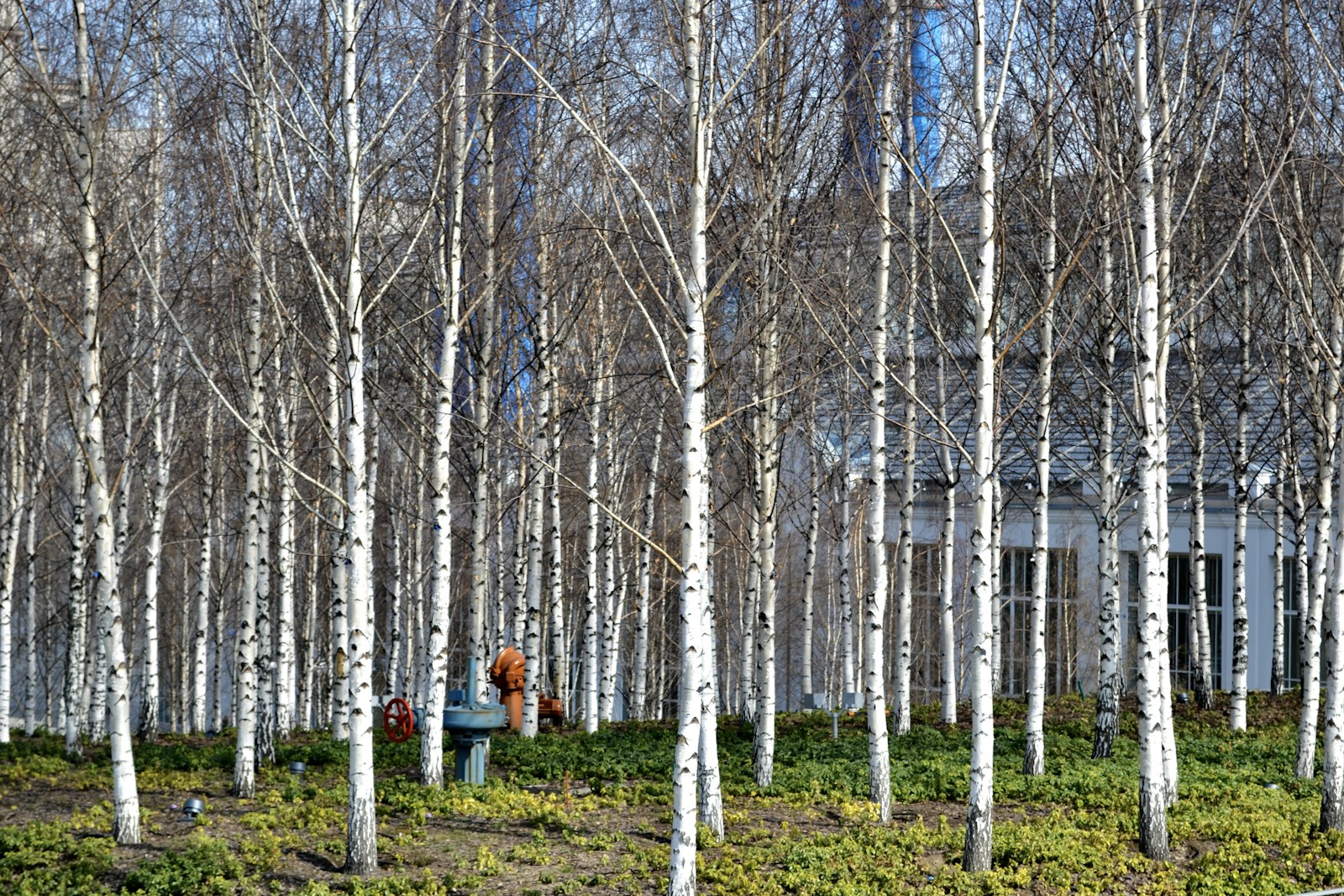
Moreover, the city has plans to replace the removed trees with native species that are better suited to the local climate and ecosystem. For example, species such as the silver birch (Betula pendula) and European larch (Larix decidua) are being considered for replanting. These trees not only support local wildlife but also contribute to improved air quality and urban aesthetics.
The initiative is expected to have a ripple effect on the local ecosystem. A study conducted by the Russian Academy of Sciences indicated that urban areas with higher biodiversity levels experience less pollution and better overall health among residents. By investing in native flora, Moscow is not only enhancing its natural beauty but also creating a more resilient urban environment.
For more insights on urban biodiversity initiatives, check out our post on sustainable city planning.
Quick Takeaways 📌
- Boxelder maples are considered invasive in Moscow.
- The city plans to replace them with native species, such as silver birch and European larch.
- This initiative aims to enhance urban biodiversity and improve local ecosystems.
- The project reflects a growing global trend towards environmental stewardship in urban planning.
FAQ ❔
Why are boxelder maples considered invasive?
Boxelder maples are deemed invasive because they can outcompete native plants for sunlight, water, and nutrients, disrupting local ecosystems. Their rapid growth and ability to thrive in various conditions allow them to dominate areas where native species struggle to survive.
How will the removal of these trees affect the environment?
Removing invasive species like boxelder maples can help restore the balance of local ecosystems, allowing native plants and animals to thrive. This can lead to increased biodiversity, improved soil health, and a more stable environment that supports a wider range of wildlife.
What native species will replace the boxelder maples?
The city plans to plant various native species that are better adapted to the local environment, such as silver birch and European larch. These trees are not only more beneficial for local wildlife but also contribute to the overall health of the urban ecosystem.
What are the long-term goals of this initiative?
The long-term goals include restoring ecological balance, enhancing urban biodiversity, and improving the quality of life for Moscow’s residents. By prioritizing native species, the city aims to create a sustainable urban environment that can withstand the challenges posed by climate change and urbanization.
In conclusion, Moscow’s decision to eliminate boxelder maples marks a pivotal step in the fight against invasive species. By prioritizing native flora, the city is not only enhancing its natural beauty but also ensuring a healthier ecosystem for future generations. This initiative serves as a reminder of the importance of environmental stewardship in urban settings, encouraging other cities to follow suit in their efforts to combat invasive species and promote biodiversity. As urban areas continue to grow, the need for sustainable practices becomes increasingly critical, and Moscow’s bold move could inspire similar actions worldwide.