
New Bill Aims to Restrict Media from Reporting Accusations Before C...
A proposed law in Russia seeks to limit media outlets from publishing accusatory information until after court decisions are made. Discover why it matters and w
- BackZee
- 4 min read
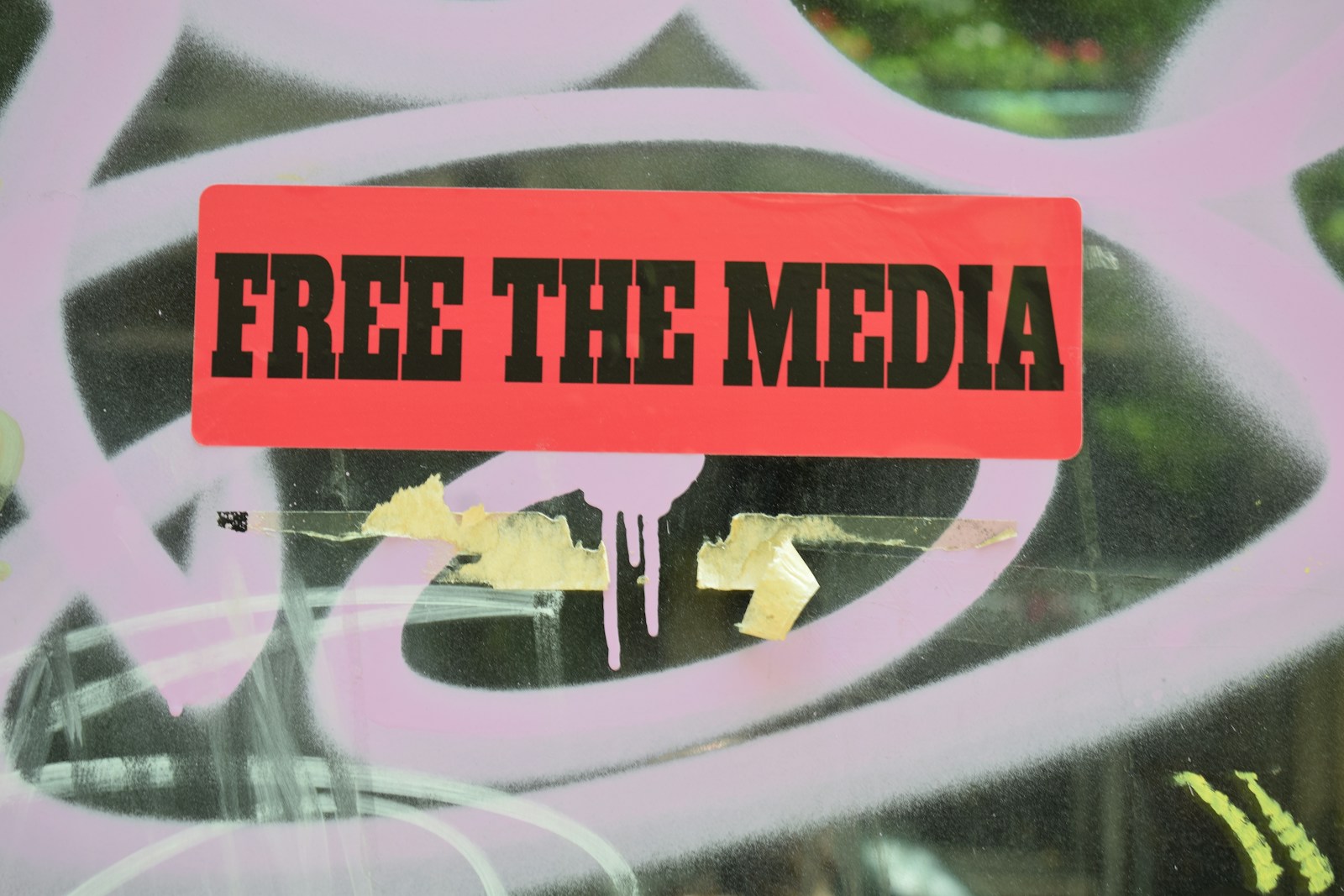
TL;DR 🚀
Make sure to check our deep dive on why this matters.
- A new bill has been introduced in the Russian Duma.
- The legislation aims to prevent media from publishing accusations before court verdicts.
- Critics argue this could undermine freedom of the press.
In a significant move, a new legislative proposal has been introduced in the Russian State Duma that seeks to restrict media outlets from publishing any accusatory information until after a court has made its ruling. This bill raises important questions about the balance between freedom of the press and the rights of individuals facing allegations.
The Proposed Legislation 📜
The proposed law would impose strict limitations on how media can report on ongoing legal cases. Under this bill, journalists would be prohibited from disseminating any information that could be seen as accusatory until a court has officially rendered its decision. Proponents of the bill argue that it is essential to protect the rights of the accused and ensure that individuals are not judged in the court of public opinion before a legal verdict is reached.
However, critics are voicing concerns that this legislation could lead to a chilling effect on journalism. By restricting the flow of information, they argue that the public may be deprived of critical insights into ongoing legal proceedings. This could ultimately hinder the media’s role as a watchdog, holding authorities accountable and ensuring transparency in the justice system.
Implications for Media Freedom 🔍
The implications of this bill extend beyond just the realm of journalism. If passed, it could set a dangerous precedent for media freedom in Russia. Journalists often rely on timely information to inform the public about ongoing legal matters, and restricting this could lead to a less informed society.
Moreover, the bill raises questions about the definition of accusatory information. What constitutes an accusation? Would reporting on an arrest or a police investigation be considered accusatory? These ambiguities could lead to self-censorship among journalists who may fear legal repercussions for reporting on sensitive topics.
Quick Takeaways 📌
- The bill aims to protect the rights of the accused.
- It could limit the media’s ability to report on legal matters.
- Critics warn of potential self-censorship among journalists.
The Broader Context 🌍
This legislative proposal comes amid a broader trend of increasing restrictions on media in Russia. Over the past few years, various laws have been enacted that limit the ability of journalists to report freely. For instance, the government has implemented laws that penalize the dissemination of “false information,” which critics argue are often used to silence dissenting voices.
In this context, the new bill could be seen as part of a larger strategy to control the narrative surrounding legal proceedings and maintain a favorable public image for the government. As media outlets grapple with these challenges, the question remains: how can they continue to fulfill their role in a democratic society?
The Public’s Response 📣
Public reaction to the proposed bill has been mixed. Some citizens support the notion of protecting individuals from premature judgment, while others fear that this could lead to a more opaque legal system. Social media platforms have become a battleground for these discussions, with many users expressing their concerns about the potential erosion of press freedoms.
As the debate unfolds, it will be crucial to monitor how this legislation progresses through the Duma and what it could mean for the future of media in Russia. The balance between protecting individual rights and ensuring a free press is delicate, and the outcome of this bill could have lasting implications.
FAQ ❔
What is the main goal of the proposed bill?
The primary aim of the bill is to prevent media outlets from publishing any accusatory information until after a court has made its ruling, thereby protecting the rights of the accused.
How might this affect journalists?
If passed, journalists may face restrictions on reporting ongoing legal cases, potentially leading to self-censorship and a less informed public.
What are the broader implications for media freedom in Russia?
The bill could contribute to a trend of increasing media restrictions in Russia, undermining the role of journalists as watchdogs and limiting transparency in the justice system.
As discussions continue, the future of media reporting in Russia hangs in the balance, and the implications of this proposed legislation could resonate far beyond the courtroom.