
Mattel Unveils Groundbreaking Barbie Doll with Autism
Mattel introduces the first-ever Barbie doll with autism, created in collaboration with the Autistic Self Advocacy Network. Discover why it matters for Gen-Z re
- BackZee
- 5 min read
TL;DR 🚀
Make sure to check our deep dive on why this matters.
- Mattel launches the first Barbie doll representing autism.
- Developed in partnership with the Autistic Self Advocacy Network.
- Aims to promote understanding and acceptance of autism.
- Features sensory-friendly accessories to enhance play.
- Represents a significant step towards inclusivity in the toy industry.
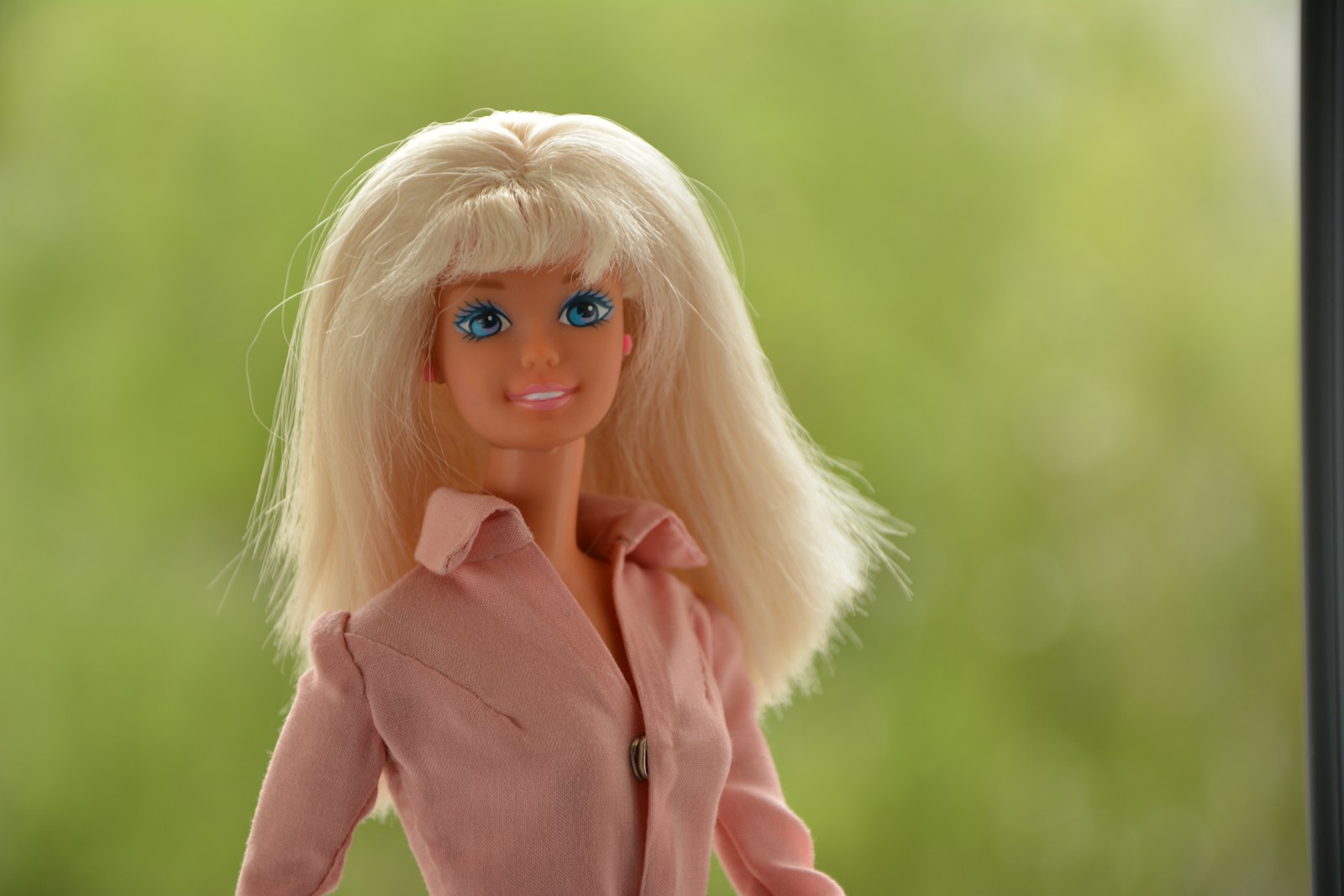
In a significant move towards inclusivity, Mattel has introduced the first-ever Barbie doll designed to represent autism. This innovative doll was created in collaboration with the Autistic Self Advocacy Network, reflecting a commitment to diversity and awareness in the toy industry. The decision to create this doll comes at a time when the conversation around neurodiversity is gaining momentum, making it a timely and impactful addition to the Barbie lineup.
Breaking New Ground in Representation 🌈
The new Barbie doll is a game-changer in the world of toys, as it aims to normalize autism and foster a greater understanding of the condition among children. According to the Centers for Disease Control and Prevention (CDC), approximately 1 in 44 children in the United States is diagnosed with autism spectrum disorder (ASD). This statistic underscores the importance of representation in toys, as many children can see themselves reflected in this new Barbie.
This initiative is part of Mattel’s broader strategy to ensure that their products resonate with a diverse audience. The collaboration with the Autistic Self Advocacy Network ensures that the doll is not only a toy but also a symbol of empowerment for those on the autism spectrum. The doll features unique characteristics that reflect the experiences of autistic individuals, such as a distinct outfit that includes sensory-friendly elements, like weighted accessories that can help provide comfort and security.
For instance, it comes with accessories that promote sensory play, which is often beneficial for children with autism. These accessories include fidget toys, noise-canceling headphones, and textured items that cater to sensory needs. This thoughtful design choice highlights the importance of sensory-friendly toys in supporting the developmental needs of autistic children, allowing them to engage in play that is both enjoyable and beneficial.
A Step Towards Inclusivity in Playtime 🎉
Mattel’s decision to create an autism-inclusive Barbie is a response to the growing demand for diverse representation in children’s toys. Parents and advocates have long called for toys that reflect the realities of all children, including those with disabilities. By introducing this doll, Mattel is not just selling a product; they are contributing to a cultural shift towards acceptance and understanding.
This initiative aligns with the company’s ongoing efforts to diversify its product line. In recent years, Mattel has made strides in representing various ethnicities, body types, and now, neurodiversity. The introduction of this Barbie is particularly significant as it comes in a year where discussions around mental health and neurodiversity have become increasingly prominent in society. This move is likely to resonate with parents who seek to educate their children about differences and promote empathy from an early age.
Cultural Insights and Impact
The impact of this doll extends beyond just the toy aisle. It reflects a broader societal shift towards inclusivity and understanding. In many cultures, autism is still stigmatized, and individuals on the spectrum often face challenges in social acceptance. By introducing a doll that represents autism, Mattel is taking a stand against stigma and promoting a message of acceptance.
Furthermore, the doll serves as a conversation starter for families. It encourages parents to discuss autism with their children, helping to break down stereotypes and foster a more inclusive environment. This aligns with educational efforts in schools and communities aimed at promoting understanding of neurodiversity.
Quick Takeaways 📌
- The Barbie doll with autism is designed to promote awareness and understanding of autism.
- It includes sensory-friendly accessories for enhanced play, such as fidget toys and noise-canceling headphones.
- Mattel is committed to diversity in its product offerings, reflecting a broader cultural shift towards inclusivity.
FAQ ❔
What inspired Mattel to create a Barbie doll with autism?
Mattel aimed to address the lack of representation for autistic individuals in toys. By collaborating with the Autistic Self Advocacy Network, they ensured that the doll accurately reflects the experiences of those on the autism spectrum. This partnership is crucial in ensuring authenticity and respect in representation.
How does this Barbie differ from traditional dolls?
This Barbie features unique characteristics and accessories that cater to sensory needs, promoting a more inclusive play experience. It aims to educate children about autism and foster understanding, making it a valuable tool for parents and educators alike.
What impact does this doll have on children?
The introduction of this Barbie can help children learn about diversity and acceptance. It encourages conversations about autism, helping to break down stereotypes and promote empathy among peers. Studies have shown that early exposure to diverse representations can lead to more accepting attitudes in adulthood.
How can parents use this doll to educate their children?
Parents can use the doll as a starting point for discussions about autism and neurodiversity. Engaging in play with the doll can provide opportunities to explain sensory needs and the importance of acceptance, making the learning process interactive and enjoyable.
In summary, Mattel’s launch of the first Barbie doll with autism marks a pivotal moment in the toy industry. By prioritizing representation and inclusivity, the company is not only enhancing the play experience for children but also paving the way for a more understanding and accepting society. As we continue to embrace diversity in all its forms, this doll stands as a testament to the power of toys in shaping young minds and fostering a culture of empathy and acceptance.