
January in Moscow: Unusually Warm Weather Ahead
Meteorologists predict an unseasonably warm January in Moscow, sparking curiosity and concern among residents. Discover why it matters for Gen-Z readers.
- BackZee
- 5 min read
TL;DR 🚀
Make sure to check our deep dive on why this matters.
- Meteorologists forecast an unusually warm January in Moscow.
- Expected temperatures could exceed seasonal averages by several degrees.
- Residents are curious about the implications of this weather shift.
- Local businesses and ecosystems may face challenges due to changing weather patterns.
- The warmer January could reshape winter activities and cultural events in the city.
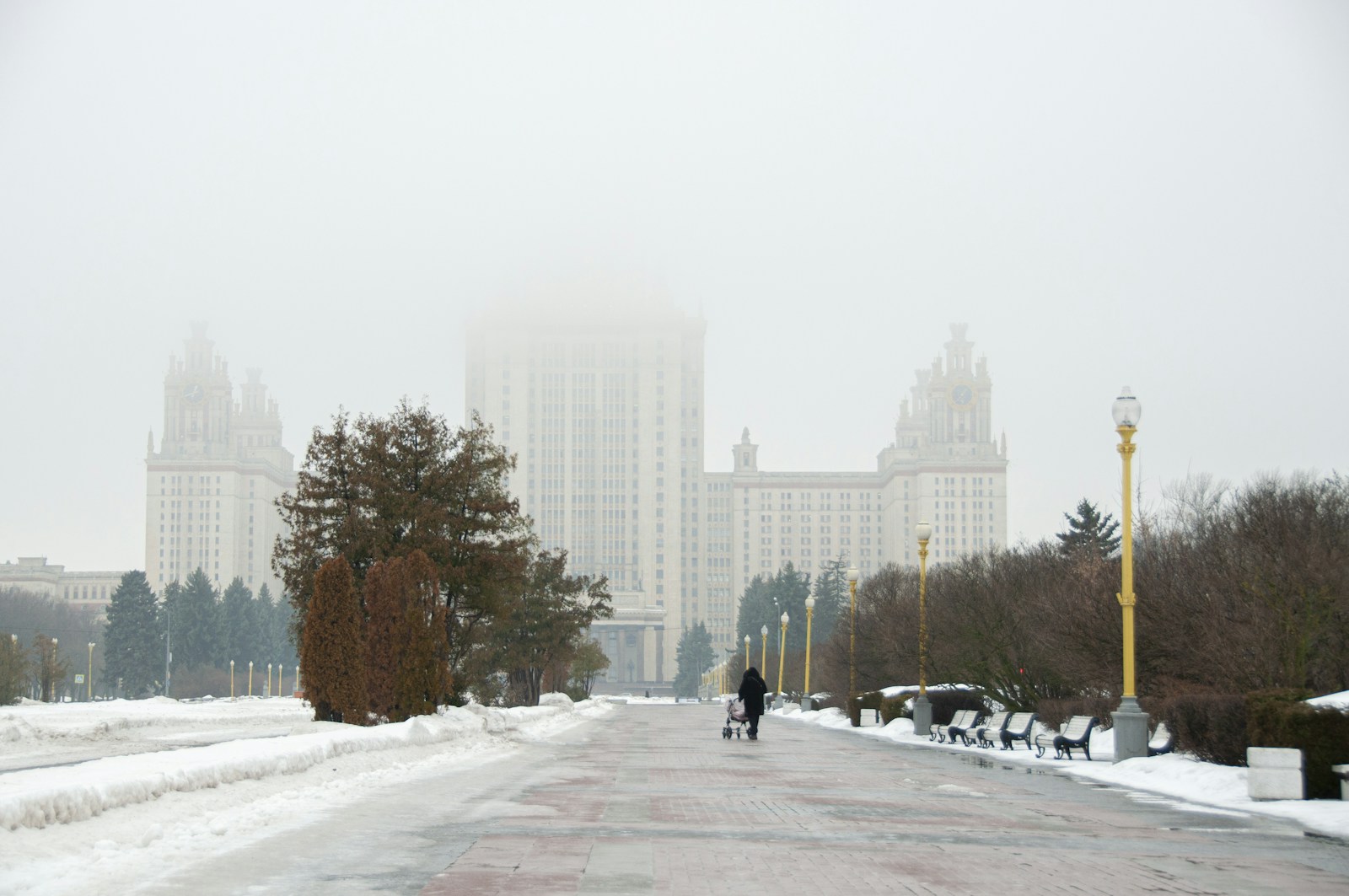
Moscow is gearing up for an unexpected twist this January, as meteorologists are predicting unseasonably warm temperatures. This forecast has sparked a mix of excitement and concern among locals who are used to the typical winter chill. With temperatures expected to soar above the usual January averages, many are left wondering what this means for the city.
Weather Predictions 🌡️
According to recent reports, January in Moscow is set to be significantly warmer than usual. Meteorologists have indicated that temperatures could rise by several degrees above the seasonal norm, which typically hovers around freezing, around -6°C (21°F) to -8°C (18°F). This shift is attributed to a combination of atmospheric conditions, including a high-pressure system that is expected to dominate the region, leading to milder weather.
Residents are already speculating about how this warmer weather might affect their daily lives. Some are excited about the prospect of less harsh winter conditions, while others are concerned about the potential impact on local ecosystems and seasonal activities. Ski resorts and winter sports enthusiasts, in particular, are keeping a close eye on the forecast, as warmer temperatures could lead to less snow and altered conditions. For instance, popular ski resorts such as Kant and Sorochany may see a decline in visitors if the weather does not align with traditional winter expectations.
What’s Causing the Change? 🌍
The unusual warmth is believed to be linked to broader climatic trends, including global warming and shifting weather patterns. According to the Intergovernmental Panel on Climate Change (IPCC), the average global temperature has risen by approximately 1.1°C (2°F) since the late 19th century, and regions like Moscow are experiencing the effects of this warming. These changes can lead to unpredictable weather, and Moscow is not immune to their effects.
- Increased temperatures could lead to a rise in energy consumption as people rely more on heating systems, potentially straining local energy resources.
- Wildlife may also react to the warmer conditions, potentially altering migration patterns and breeding cycles. For example, species like the Eurasian lynx and European bison, which inhabit nearby forests, may find their habitats changing, affecting their survival.
- Local businesses that depend on winter tourism might face challenges if the weather does not cooperate. A report from the Moscow Tourism Board indicated that winter tourism contributes significantly to the local economy, with an estimated revenue of $300 million during the winter months.
Impacts on Daily Life 🌆
With the forecast indicating a warmer January, many Muscovites are adjusting their plans and expectations. Outdoor activities that are typically popular during the winter months may be affected. For instance, ice skating rinks and winter festivals could see reduced attendance if the weather remains mild. The VDNH Ice Skating Rink, a popular destination, may have to adjust its operations if temperatures rise above the freezing point.
Moreover, this change in climate can have long-term consequences for the city. As winters become less predictable, residents may need to adapt to new norms regarding clothing, heating, and outdoor activities. The potential for increased rainfall instead of snow could also change the landscape of the city, leading to urban flooding and impacting infrastructure. Historical data shows that Moscow has already seen a 20% increase in winter rainfall over the past two decades, raising concerns about the city’s drainage systems.
Quick Takeaways 📌
- Moscow’s January temperatures may exceed seasonal averages, potentially reaching highs of 1°C (34°F) or more.
- Residents are adjusting plans based on the warmer forecast, with many opting for lighter winter clothing.
- Long-term climate changes could affect local ecosystems, tourism, and urban infrastructure.
- The warmer weather may lead to increased rainfall, impacting the city’s drainage and flood management systems.
- Local businesses are preparing for potential declines in winter tourism if conditions do not improve.
FAQ ❔
Why is January expected to be warmer than usual in Moscow?
Meteorologists attribute the warmer January to a combination of atmospheric changes and broader climatic trends, including global warming. These factors can lead to unpredictable weather patterns, with high-pressure systems blocking cold air from the Arctic.
How might this affect local businesses?
Businesses that rely on winter tourism, such as ski resorts and ice skating rinks, may face challenges if the warmer weather continues. Reduced snowfall could lead to lower attendance and revenue. Additionally, restaurants and shops that cater to winter tourists may need to adjust their offerings.
Are there any environmental concerns with warmer winters?
Yes, warmer winters can disrupt local ecosystems, affecting wildlife migration and breeding patterns. Additionally, increased rainfall instead of snow could alter the natural landscape and water supply, leading to potential flooding and soil erosion.
What should residents do to prepare for the warmer January?
Residents are encouraged to stay informed about weather updates and be flexible with their winter plans. It may also be wise to prepare for potential rain and mild temperatures by adjusting clothing choices and considering alternative indoor activities.
As we brace for this unexpected weather, it’s crucial to stay informed and adaptable. The upcoming January in Moscow promises to be anything but ordinary, and how residents respond to these changes will shape the city’s winter experience.