
International Forum on Culture, Media, and Digital Trends Draws 8,0...
The second international forum on culture and media attracted over 8,000 participants from various regions, highlighting digital trends. Discover why it matters
- BackZee
- 4 min read
TL;DR 🚀
- Over 8,000 attendees participated in the forum.
- The event focused on the intersection of culture, media, and digital innovation.
- Key partnerships included major media outlets like Afisha and Rambler.
- The forum featured over 50 speakers discussing digital transformation in the arts.
- Networking opportunities fostered new collaborations among participants.
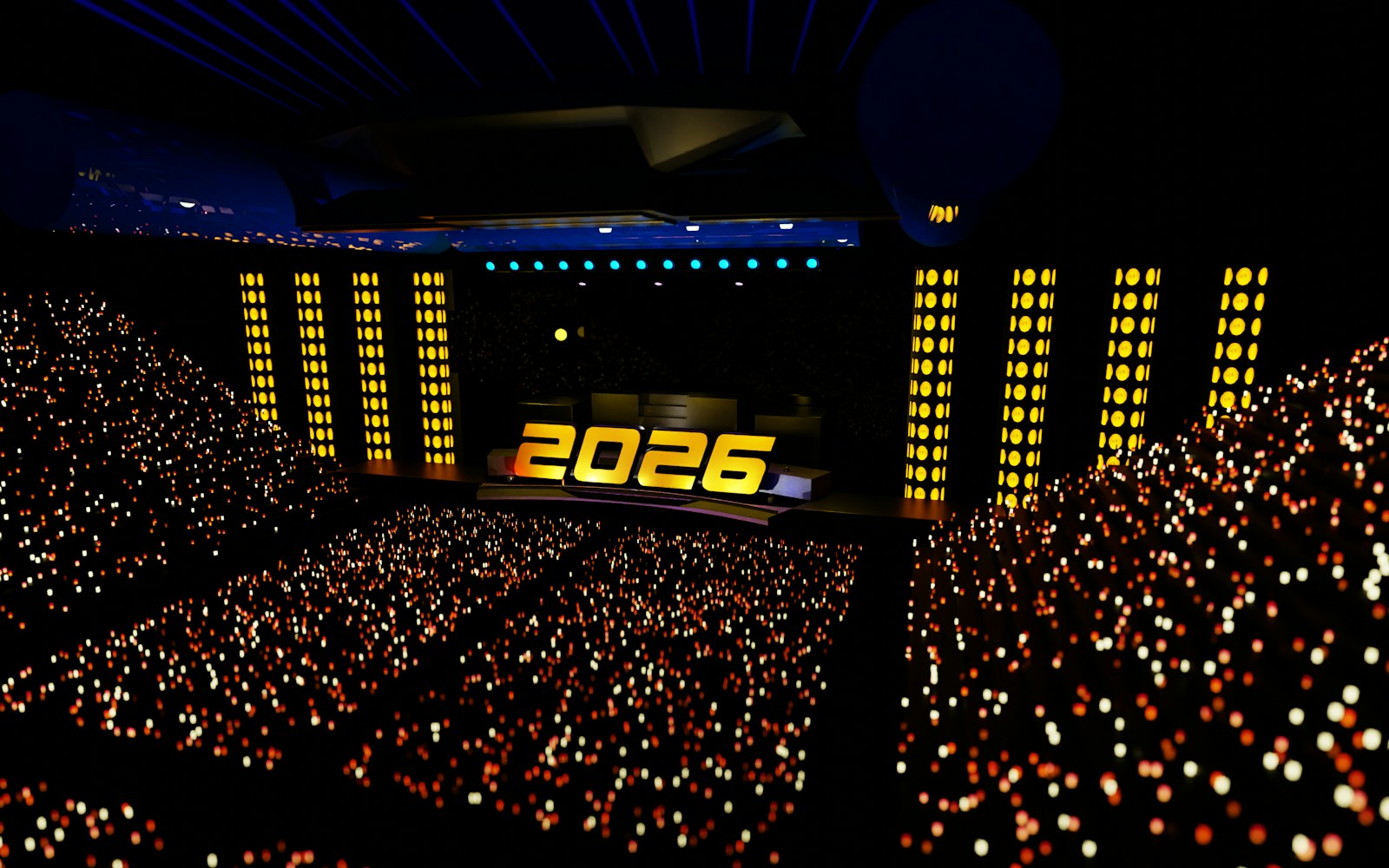
The second international forum titled “Culture. Media. Digital” recently wrapped up at the Moskino venue, attracting a staggering 8,000 participants from Russia, the CIS, Europe, and Asia. This event served as a melting pot for discussions surrounding the dynamic relationship between culture and digital media.
A Gathering of Minds 🌍
The forum brought together a diverse group of creatives, industry leaders, and digital innovators. Attendees engaged in a variety of panels and workshops, exploring how digital advancements are reshaping cultural landscapes. The atmosphere buzzed with excitement as participants shared insights and strategies for navigating the ever-evolving media environment.
Among the notable highlights was a panel discussion featuring renowned experts in media and technology. They delved into topics such as the impact of social media on cultural consumption and the future of digital storytelling. For instance, Dr. Elena Petrov, a leading researcher in digital media, presented findings showing that over 70% of young adults now prefer consuming cultural content through digital platforms rather than traditional media. This shift underscores the necessity for cultural institutions to adapt their outreach strategies.
The event also provided a platform for networking, allowing attendees to forge connections that could lead to future collaborations. Many participants reported that they left with new partnerships and ideas, emphasizing the forum’s role as a catalyst for innovation in the cultural sector.
Insights and Innovations 💡
Throughout the forum, discussions emphasized the importance of adapting to digital trends. With the rapid evolution of technology, cultural institutions must rethink their approaches to engage audiences effectively. The event showcased innovative projects that leverage digital tools to enhance cultural experiences, from virtual exhibitions to interactive storytelling.
One standout project was the “Digital Heritage” initiative, which uses augmented reality to bring historical sites to life. Participants could experience a virtual tour of ancient landmarks, providing an immersive educational experience. Such projects highlight the potential of technology to bridge the gap between the past and present, making culture more accessible to a wider audience.
The partnership with major media outlets like Afisha and Rambler played a crucial role in amplifying the event’s reach. Their involvement not only provided valuable insights but also highlighted the significance of media in shaping cultural narratives. For more on the evolving role of media in culture, check out our post on the future of digital storytelling.
Quick Takeaways 📌
- The forum featured over 50 speakers from various sectors.
- Key topics included digital transformation in the arts.
- Networking opportunities were abundant, fostering new collaborations.
- Innovative projects showcased the use of technology in cultural engagement.
- The event underscored the shift in audience preferences towards digital platforms.
FAQ ❔
What was the main focus of the forum?
The forum primarily focused on the intersection of culture, media, and digital innovation, exploring how these elements interact in today’s society. Discussions ranged from the impact of social media on cultural consumption to the future of digital storytelling.
Who were the key partners of the event?
Major media outlets such as Afisha and Rambler served as information partners, enhancing the forum’s visibility and reach. Their participation facilitated discussions that bridged the gap between traditional media and emerging digital trends.
How can I learn more about the topics discussed?
For more insights on the digital transformation in culture, check out our related articles on cultural innovation and media trends. Additionally, recordings of the panels and discussions are available on the forum’s official website.
What were some notable projects presented at the forum?
Several innovative projects were highlighted, including the “Digital Heritage” initiative, which utilizes augmented reality to enhance cultural experiences. Such projects demonstrate how technology can make cultural content more engaging and accessible.
How did attendees benefit from the networking opportunities?
Many participants reported forming new partnerships and collaborations during the forum. The diverse range of attendees, from artists to tech innovators, created an environment ripe for idea exchange and joint ventures.
The “Culture. Media. Digital” forum not only celebrated the vibrant interplay of these fields but also set the stage for future discussions on how digital advancements will continue to shape our cultural landscape. With such a large turnout, it’s clear that the dialogue surrounding these topics is more relevant than ever. As we move forward, the insights gained from this forum will undoubtedly influence the trajectory of cultural engagement in the digital age.