
Holy Fire Arrives: 15 Moscow Churches to Receive Sacred Flame
The Holy Fire from Jerusalem will be delivered to 15 churches in Moscow this Great Saturday, April 11. Learn more about this sacred event. Discover why it matte
- BackZee
- 5 min read
TL;DR 🚀
Make sure to check our deep dive on why this matters.
- The Holy Fire will be delivered to 15 churches in Moscow.
- This event occurs on Great Saturday, April 11.
- The delegation from the Andrei the First-Called Foundation is responsible for the delivery.
- The Holy Fire symbolizes the resurrection of Christ and is a cherished tradition in Orthodox Christianity.
- Special liturgies will be held in each church to commemorate this sacred event.
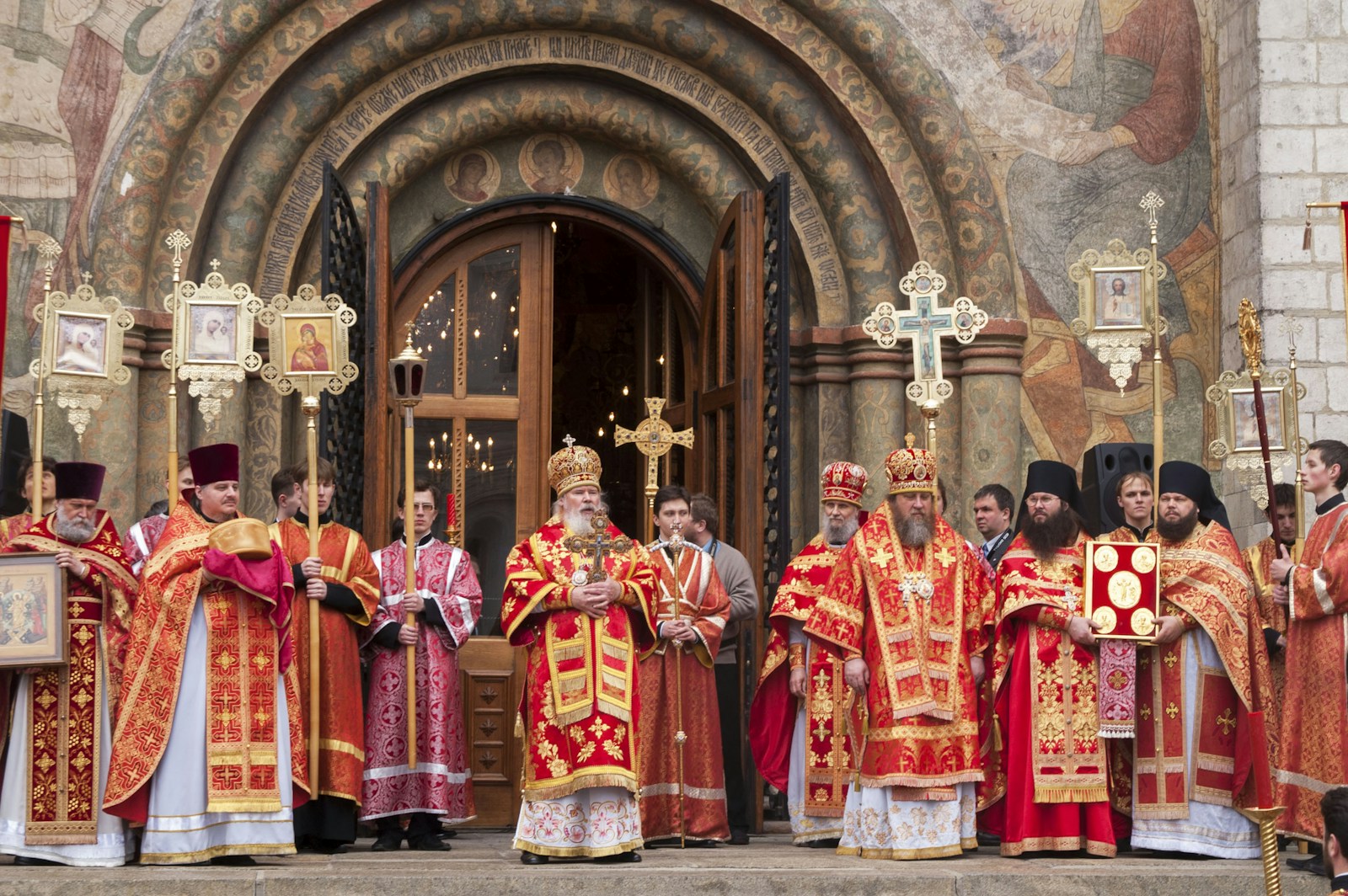
In a significant event for the Orthodox community, the Holy Fire from Jerusalem is set to arrive in Moscow on Great Saturday, April 11. This sacred flame symbolizes the resurrection of Christ and is a cherished tradition for many believers. The delivery will be handled by a delegation from the Andrei the First-Called Foundation, ensuring that this spiritual moment reaches various churches across the city.
The Significance of the Holy Fire 🔥
The Holy Fire is a revered symbol in Orthodox Christianity, believed to be a miraculous flame that appears each year at the Church of the Holy Sepulchre in Jerusalem. This flame is said to be a representation of the light of Christ’s resurrection. On Great Saturday, the fire is transported to various locations, allowing congregations worldwide to partake in this sacred experience.
The delivery to 15 churches in Moscow is a momentous occasion, as it allows local believers to connect with this ancient tradition. Each church will hold special services to commemorate the arrival of the flame, fostering a sense of community and spiritual renewal among attendees.
Why It Matters
- Cultural Heritage: The event is not just a religious observance; it also highlights the rich cultural heritage of the Orthodox faith, which has been preserved for centuries.
- Community Connection: For many, participating in the reception of the Holy Fire strengthens their ties to the church and fellow believers, creating a shared experience that transcends individual faith.
- Spiritual Renewal: The flame serves as a reminder of hope and resurrection, especially meaningful during the Easter season, a time when many seek renewal in their faith and lives.
Historical Context
The tradition of the Holy Fire dates back to the early centuries of Christianity. It is believed that the flame first appeared in the 4th century, during the time of Saint Helena, the mother of Emperor Constantine, who is credited with finding the True Cross. Over the years, the ceremony has evolved, but its core significance remains unchanged. The Holy Fire is a powerful reminder of the resurrection and the promise of eternal life, central tenets of the Orthodox faith.
The Journey of the Flame ✈️
The journey of the Holy Fire begins in Jerusalem, where it is lit at the Church of the Holy Sepulchre. After the lighting ceremony, the flame is carefully transported to various locations around the world. In Moscow, the Andrei the First-Called Foundation plays a crucial role in this process, ensuring that the flame reaches its destination safely and on time.
This year, the delegation will arrive in Moscow on the morning of April 11, just in time for the Great Saturday services. The churches receiving the flame include some of the most significant Orthodox sites in the city, such as the Cathedral of Christ the Savior and the Novodevichy Convent, each preparing for a special liturgy to welcome the sacred fire.
The Role of the Andrei the First-Called Foundation
The Andrei the First-Called Foundation has been instrumental in facilitating the transport of the Holy Fire to Russia. Founded to promote the spiritual and cultural heritage of the Orthodox Church, the foundation organizes the logistics of the flame’s journey, ensuring that it arrives in Moscow in a timely manner. Their efforts reflect a deep commitment to preserving and sharing the traditions of the Orthodox faith with future generations.
Quick Takeaways 📌
- The Holy Fire is lit annually in Jerusalem.
- It symbolizes the resurrection of Christ.
- Moscow’s churches will hold special services for the flame’s arrival.
- The event fosters community spirit and cultural heritage.
- The Andrei the First-Called Foundation plays a key role in the delivery process.
FAQ ❔
What is the Holy Fire?
The Holy Fire is a miraculous flame that appears annually at the Church of the Holy Sepulchre in Jerusalem, symbolizing the resurrection of Jesus Christ. It is a powerful representation of faith and hope for Orthodox Christians worldwide.
How is the Holy Fire transported?
After being lit in Jerusalem, the Holy Fire is carefully transported by delegations to various locations, including churches around the world. The process is meticulously planned to ensure the flame remains intact during its journey.
Why is the delivery to Moscow significant?
The delivery to Moscow allows local Orthodox Christians to participate in a cherished tradition, fostering community spirit and spiritual renewal during the Easter season. It connects them to the global Orthodox community and the historical roots of their faith.
What events are planned for the arrival of the Holy Fire?
Each of the 15 churches receiving the Holy Fire will hold special liturgies and services to commemorate this sacred event. These gatherings will include prayers, hymns, and the lighting of candles from the Holy Fire, creating a deeply spiritual atmosphere for attendees.
How can one participate in the celebration?
Believers are encouraged to attend the services at their local church receiving the Holy Fire. Many churches will also provide opportunities for individuals to light their candles from the Holy Fire, allowing them to bring a piece of this sacred flame into their homes.
The arrival of the Holy Fire in Moscow is more than just a religious event; it is a celebration of faith, community, and cultural heritage. As congregations gather to witness this sacred moment, they are reminded of the enduring power of hope and renewal that the flame represents. This year, as the flame travels from Jerusalem to Moscow, it carries with it centuries of tradition, uniting believers in a shared experience of faith and devotion.