
Hijab Ban in Khanty-Mansi Autonomous Okrug Schools Sparks Debate
The recent hijab ban in Khanty-Mansi schools raises questions about cultural expression and educational policies. Discover why it matters for Gen-Z readers.
- BackZee
- 5 min read
TL;DR 🚀
Make sure to check our deep dive on why this matters.
- Khanty-Mansi schools have implemented a hijab ban.
- The decision has sparked discussions on cultural rights.
- Parents and students express mixed reactions.
- The ban raises questions about secularism versus religious freedom.
- Ongoing dialogue is essential for community cohesion.
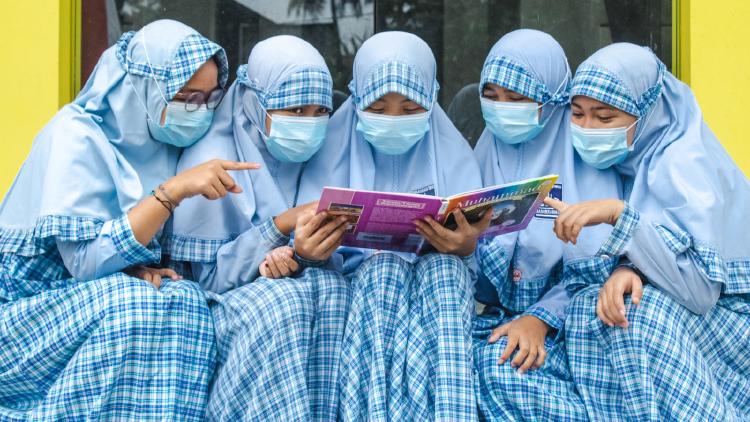
In a controversial move, schools in the Khanty-Mansi Autonomous Okrug have officially banned the wearing of hijabs. This decision has ignited a heated debate about cultural expression and the rights of students within educational institutions. The implications of this ruling extend beyond the school gates, touching on broader themes of identity, integration, and the role of religion in public life.
The Ban’s Background 📚
The recent ruling comes as part of a broader initiative to enforce a uniform dress code across schools in the region. Authorities argue that the ban is necessary to promote secularism and ensure equality among students. According to the regional education ministry, the aim is to foster a sense of unity and prevent any form of discrimination based on attire. However, many see this as an infringement on personal freedoms and religious expression.
Supporters of the ban claim it fosters a more inclusive environment for all students, while critics argue that it disproportionately affects Muslim girls who wear the hijab as part of their faith. The cultural implications of this decision are significant, as it raises questions about the balance between maintaining school policies and respecting individual rights.
Historical Context
The Khanty-Mansi Autonomous Okrug is known for its diverse population, which includes a significant number of ethnic minorities, including Tatars and Bashkirs, who practice Islam. Historically, the region has seen a blend of cultures, and the hijab has been a visible symbol of this diversity. The ban, therefore, is not just a policy change; it is a reflection of ongoing tensions between modern secular values and traditional cultural practices.
Community Reactions 🗣️
The response from the community has been mixed. Some parents support the ban, believing it will help their children integrate better into society and reduce potential bullying or discrimination based on clothing. Others, however, feel that the decision undermines their cultural identity and the rights of their children to express their faith.
-
Supporters argue that the ban is a step towards modernizing education and ensuring that all students are treated equally, regardless of their background. They believe that a uniform dress code can minimize distractions and foster a more focused learning environment.
-
Opponents emphasize the importance of allowing students to express their beliefs and argue that the ban sends a message that certain cultural practices are not welcome in public spaces. Many parents have voiced concerns that this could lead to feelings of alienation among Muslim students, potentially affecting their academic performance and mental well-being.
The local government has stated that they will monitor the situation closely and engage with community leaders to address concerns. This ongoing dialogue is crucial as the community navigates the complexities of cultural diversity within educational settings.
Statistical Insights
Recent surveys indicate that approximately 30% of students in the Khanty-Mansi region identify as Muslim, and a significant portion of these students wear the hijab. The ban could potentially affect hundreds of girls, raising concerns about their educational experience and sense of belonging in schools.
Cultural Perspectives
In many cultures, the hijab is not merely a piece of clothing but a profound symbol of faith and identity. For many Muslim girls, wearing the hijab is a personal choice that signifies their commitment to their beliefs. The ban, therefore, can be seen as an affront to their cultural identity, leading to broader discussions about the role of education in promoting inclusivity versus enforcing conformity.
Quick Takeaways 📌
- The hijab ban is part of a broader dress code initiative aimed at promoting secularism.
- Community reactions are divided, highlighting cultural tensions and differing perspectives on integration.
- Ongoing discussions between authorities and community leaders are essential for addressing concerns and fostering understanding.
- The decision has implications for hundreds of students and raises questions about cultural identity in educational settings.
FAQ ❔
Why was the hijab ban implemented in Khanty-Mansi schools?
The ban was introduced to promote a uniform dress code and uphold secular values in education, according to local authorities. They argue that it is necessary to ensure equality among students and prevent any form of discrimination based on attire.
How are students and parents reacting to the ban?
Reactions are mixed; some support the ban for promoting equality and integration, while others view it as a violation of cultural and religious rights. Many parents express concerns about the potential alienation of their children and the broader implications for cultural identity.
What are the implications of this decision for cultural expression?
The ban raises significant questions about the balance between school policies and individual rights, particularly for students from diverse cultural backgrounds. It highlights the ongoing struggle to find common ground between secularism and religious expression in public education.
How might this ban affect students’ mental health and academic performance?
The ban could lead to feelings of alienation and exclusion among Muslim students, which may negatively impact their mental health and academic performance. A supportive and inclusive environment is crucial for fostering positive educational outcomes.
What steps are being taken to address community concerns?
Local authorities have committed to engaging with community leaders and stakeholders to address concerns related to the hijab ban. Ongoing dialogue is essential for fostering understanding and finding solutions that respect both cultural diversity and educational policies.