
Germany Eradicates 3,000 Radioactive Wild Boars Amid Safety Concerns
Germany has culled around 3,000 wild boars due to radiation contamination, raising safety and environmental concerns. Discover why it matters and what happens n
- BackZee
- 5 min read
TL;DR 🚀
Make sure to check our deep dive on why this matters.
- Germany has culled approximately 3,000 wild boars due to radiation contamination.
- The animals were found to be carrying dangerous levels of radioactive cesium.
- This action aims to protect public health and the environment from the risks associated with contaminated wildlife.
- The culling is part of a broader strategy to manage wildlife populations affected by historical nuclear incidents.
- Ongoing monitoring and management are essential to prevent future contamination issues.
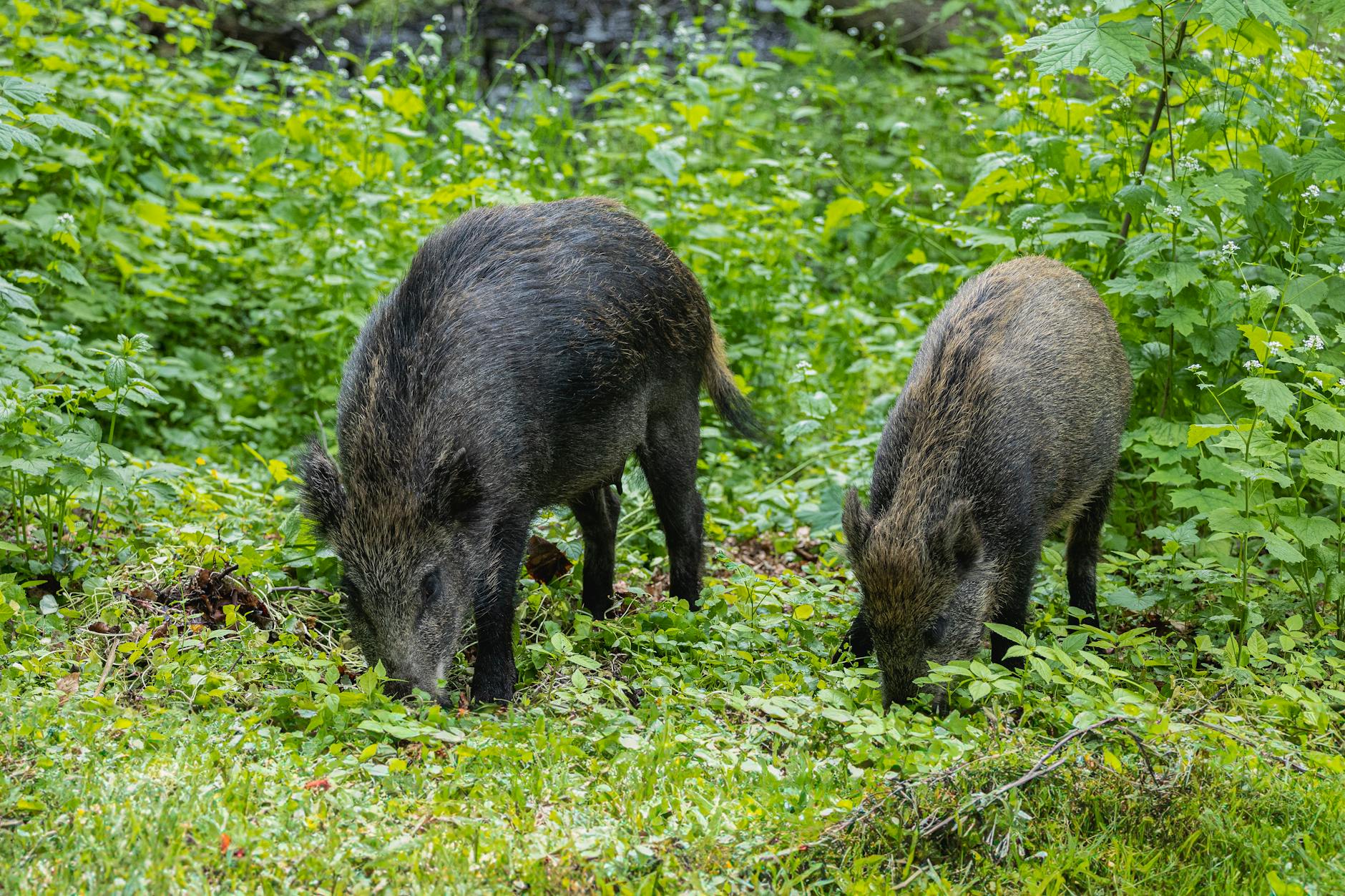
In a significant move to safeguard public health, Germany has taken drastic measures by culling around 3,000 wild boars contaminated with radiation. This decision stems from ongoing concerns about the potential risks posed by these animals, which have been affected by historical nuclear incidents. The culling reflects a complex interplay of environmental management, public health, and wildlife conservation.
The Radiation Threat ⚠️
The decision to eliminate these wild boars is primarily linked to radiation contamination from past nuclear events. The fallout from the Chernobyl disaster in 1986 continues to affect wildlife in various regions, particularly in Germany. The radioactive cesium isotopes, particularly cesium-137, have been found in alarming concentrations within these boars, raising concerns about the safety of the food supply.
According to the Federal Office for Radiation Protection (BfS), over 80% of wild boars in certain regions of Germany have shown elevated levels of cesium, which can accumulate in the body and pose serious health risks to humans who consume the meat. This situation is not unique to Germany; similar issues have been reported in other parts of Europe, including parts of France and Poland, where wildlife has been similarly affected by Chernobyl fallout.
Authorities have been monitoring the situation closely, and the culling is part of a broader strategy to manage wildlife populations that have been impacted by radiation. The culled boars were primarily located in areas where radiation levels were notably high, raising alarms about the potential for contaminated meat entering the food supply. This proactive measure is crucial in preventing the spread of radiation through the food chain, which could have dire consequences for public health.
Environmental and Health Implications 🌍
The implications of this culling extend beyond immediate health concerns. The presence of radioactive wildlife can disrupt local ecosystems and food chains. By removing these contaminated animals, Germany aims to protect both the environment and public safety.
The culling process has sparked discussions about the long-term effects of radiation on wildlife and the measures needed to address these challenges. Studies have shown that radiation can lead to genetic mutations, reproductive issues, and increased mortality rates in wildlife, leading to significant ecological imbalances. For instance, a study published in the journal Ecotoxicology highlighted that populations of certain bird species in contaminated areas have seen declines in reproductive success due to the effects of radiation.
Moreover, the culling raises ethical questions about wildlife management and the balance between human intervention and natural ecosystems. As the country grapples with the aftermath of historical nuclear events, it is crucial to implement effective management strategies to prevent similar situations in the future. For more insights on environmental management, check out our post on /posts/environmental-strategies.
Quick Takeaways 📌
- The culling of wild boars is a response to radiation contamination, primarily from the Chernobyl disaster.
- Historical nuclear incidents continue to impact wildlife and ecosystems in Germany and beyond.
- Protecting public health is a primary concern for authorities, necessitating ongoing monitoring and management.
- The situation underscores the need for ethical wildlife management practices in the face of environmental challenges.
FAQ ❔
Why were the wild boars culled?
The wild boars were culled due to contamination with radiation, primarily from the fallout of the Chernobyl disaster, posing risks to public health and the environment.
What are the health risks associated with consuming contaminated boar meat?
Consuming meat from contaminated animals can lead to serious health issues, including increased cancer risk due to radioactive substances like cesium entering the human body. Long-term exposure can result in chronic health conditions, necessitating public awareness and education about the risks.
How does radiation affect wildlife?
Radiation can cause genetic mutations, reproductive issues, and increased mortality rates in wildlife, leading to significant ecological imbalances and health risks for animals and humans alike. The effects can ripple through the food chain, impacting not just the immediate population but also other species that rely on them for survival.
What measures are being taken to monitor radiation levels in wildlife?
Authorities are employing a combination of field studies, wildlife tracking, and radiation testing to monitor the health of wildlife populations. Regular assessments help ensure that any contaminated animals are identified and managed promptly to protect public health.
How can the public stay informed about food safety related to wildlife?
Public health agencies provide updates on food safety and wildlife monitoring. Consumers are encouraged to stay informed through local health departments and government advisories regarding the safety of consuming wild game, particularly in regions known for radiation contamination.
In summary, Germany’s proactive approach to managing the fallout from historical nuclear events highlights the ongoing challenges of environmental safety. The culling of these wild boars is a crucial step in ensuring that public health remains a priority while addressing the complexities of wildlife management in a post-nuclear landscape. As the country continues to navigate these challenges, it serves as a reminder of the long-lasting impacts of nuclear incidents and the importance of vigilance in protecting both human and environmental health.