
The Future City: Urban Transformation with Drones and Green Spaces
Explore how future cities will evolve with drones, green spaces, and repurposed buildings. Discover why it matters for Gen-Z readers. Stay tuned for more insigh
- BackZee
- 5 min read
TL;DR 🚀
Make sure to check our deep dive on why this matters.
- Urban populations are rapidly increasing worldwide, with projections indicating two-thirds of the global population will live in cities by 2050.
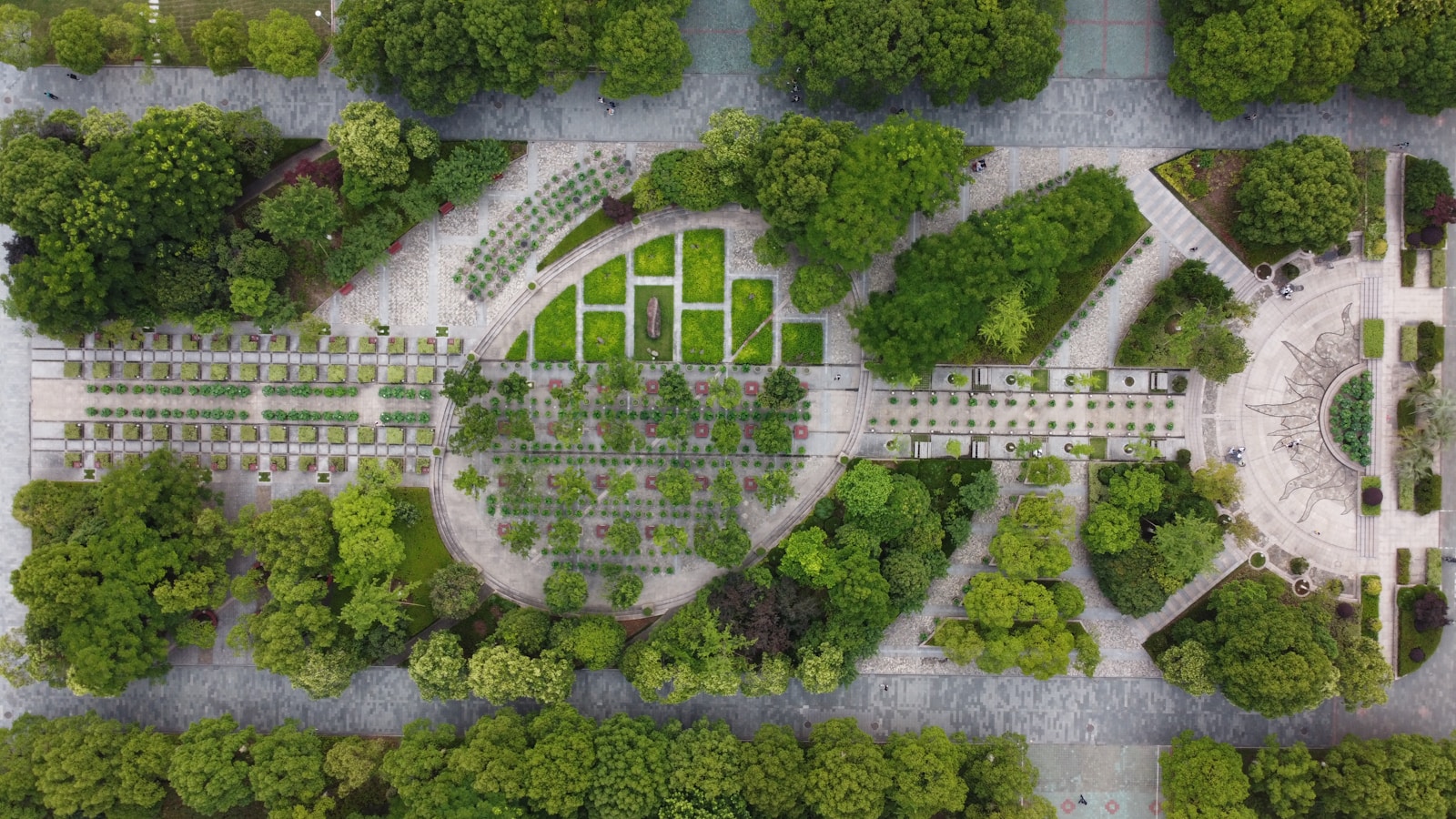
- Future cities will feature green spaces, pedestrian-friendly designs, and drone delivery systems to enhance urban living.
- Repurposing old factories into homes is a growing trend, contributing to sustainability and community revitalization.
- Innovative architectural designs prioritize sustainability and community engagement, reshaping how we interact with urban environments.
- The integration of technology in urban planning is essential for creating efficient, livable spaces.
As urbanization accelerates, cities are evolving into vast metropolises filled with innovative solutions for living and working. The latest insights from the “Architecton MMXXV” festival in St. Petersburg reveal how urban environments are adapting to accommodate a growing population and changing lifestyles. This transformation is not just a response to population pressures but also a proactive approach to creating spaces where people can thrive.
The Urbanization Wave 🌍
The United Nations has highlighted a significant shift in global demographics: for the first time, more people live in cities than in rural areas. By mid-century, it’s projected that two-thirds of the world’s population will be urban dwellers. This trend is mirrored in Russia, where statistics show that by 2025, three out of four Russians will reside in urban areas.
As cities expand, the number of megacities—urban areas with over ten million residents—is on the rise. Currently, there are 28 megacities globally, and this number is expected to exceed 30 within five years. In Moscow, city officials predict that the population will reach 14 million by 2030, driven by individuals seeking better job prospects, healthcare, education, and leisure activities. This influx presents both challenges and opportunities, as urban planners must find ways to accommodate this growth without compromising quality of life.
Rethinking Urban Spaces 🌳
The future of urban design is not just about accommodating more people; it’s also about enhancing the quality of life. The festival showcased ideas like transforming highways into boulevards, which prioritize pedestrian and cyclist access over vehicle traffic. This shift aims to create more vibrant, green spaces that foster community interaction and well-being. For instance, the Superkilen Park in Copenhagen is a prime example of how urban spaces can be reimagined to celebrate diversity and promote inclusivity through art and design.
Moreover, drone delivery systems are set to revolutionize logistics in urban areas. These flying couriers promise to reduce traffic congestion and improve the efficiency of goods transportation. According to a report by McKinsey, drone delivery could reduce delivery times by up to 50%, significantly impacting urban logistics. By integrating drones into the urban fabric, cities can streamline services and enhance accessibility, making it easier for residents to receive goods quickly and efficiently.
Quick Takeaways 📌
- Urban populations are projected to grow significantly in the coming decades, necessitating innovative urban planning.
- Green spaces and pedestrian-friendly designs are becoming priorities, enhancing community interaction.
- Drone technology is poised to transform urban logistics and delivery, improving efficiency and reducing congestion.
- Architectural trends focus on sustainability and community engagement, fostering a sense of belonging in urban environments.
- The integration of technology is crucial for creating efficient, livable spaces that cater to the needs of diverse populations.
The Role of Architecture in Future Cities 🏙️
Architects and urban planners are increasingly focused on sustainability and adaptability. The trend of converting old factories into residential spaces is gaining traction, allowing cities to preserve their industrial heritage while providing modern living solutions. This approach not only reduces waste but also breathes new life into underutilized areas. For example, the High Line in New York City transformed an abandoned elevated railway into a thriving public park, illustrating how repurposing can lead to vibrant community spaces.
The festival highlighted various innovative designs that prioritize sustainability and community engagement. These concepts include mixed-use developments that combine residential, commercial, and recreational spaces, creating a more integrated urban experience. By fostering a sense of community, these designs aim to combat the isolation often felt in large cities. A notable example is the Torre Glòries in Barcelona, which integrates residential, office, and public spaces, promoting interaction and collaboration among residents.
Furthermore, the incorporation of green architecture—which emphasizes energy efficiency, renewable resources, and sustainable materials—is becoming a standard practice. Buildings designed with green roofs, solar panels, and natural ventilation systems not only reduce environmental impact but also enhance the well-being of their occupants.
Conclusion: Embracing Change 🌈
As we look toward the future, it’s clear that cities must adapt to the challenges of urbanization. By prioritizing green spaces, embracing technology like drones, and reimagining existing structures, urban environments can become more livable and sustainable. The insights from the “Architecton MMXXV” festival provide a glimpse into a future where urban life is not just about survival, but thriving in a connected and vibrant community.
The path forward will require collaboration among governments, architects, and citizens to ensure that urban development meets the needs of all residents. As we embrace these changes, we can create cities that are not only functional but also beautiful and inclusive.
FAQ ❔
What are the main trends shaping future cities?
Future cities are focusing on sustainability, green spaces, and integrating technology like drones for efficient logistics. Urban planners are also emphasizing mixed-use developments to foster community engagement.
How will urbanization impact living conditions?
As more people move to cities, there will be a greater emphasis on creating livable environments that prioritize community, accessibility, and environmental health. This includes the development of green spaces and pedestrian-friendly areas.
What is the significance of repurposing old buildings?
Repurposing old factories into homes helps preserve cultural heritage while addressing housing shortages, promoting sustainability, and revitalizing neighborhoods. It also reduces the environmental impact associated with new construction.
How can drone technology improve urban living?
Drone technology can significantly enhance urban logistics by reducing delivery times and traffic congestion. This innovation allows for quicker access to goods and services, improving the overall quality of life for residents.
What role does community engagement play in urban design?
Community engagement is crucial in urban design as it ensures that the needs and desires of residents are considered. This approach fosters a sense of belonging and ownership among community members, leading to more successful and sustainable urban environments.