
Fluffy Dinosaur Fossil Found in Korea Named After Cartoon Character
A newly discovered dinosaur fossil in Korea has been named after a beloved cartoon character, sparking excitement in the paleontology community.
- BackZee
- 5 min read
TL;DR 🚀
Make sure to check our deep dive on why this matters.
- A new dinosaur fossil has been uncovered in Korea.
- The species is named after a popular cartoon character.
- This discovery adds to our understanding of dinosaur diversity.
- The find challenges traditional views of dinosaurs as scaly creatures.
- It highlights the intersection of science and popular culture.
A fascinating discovery has emerged from Korea, where researchers have unearthed the remains of a small, fluffy dinosaur. This exciting find has been named after a beloved character from a popular animated series, blending the worlds of paleontology and pop culture in a unique way. The Fluffasaurus, as it has been dubbed, is not just a whimsical name; it represents a significant leap in our understanding of dinosaur morphology and behavior.
A Fluffy Surprise 🦖
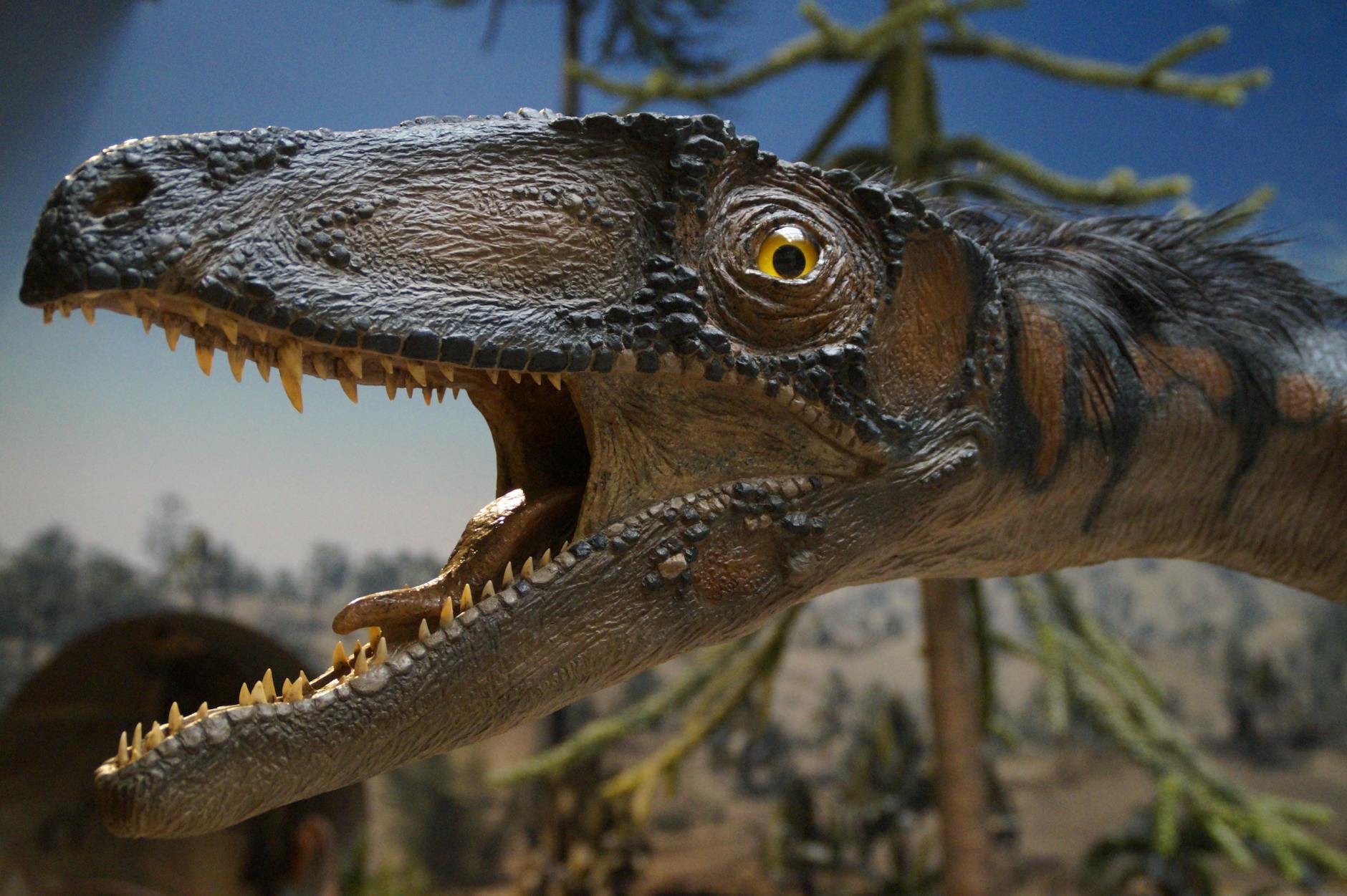
The fossil, which dates back approximately 100 million years to the Cretaceous period, showcases a previously unknown species of dinosaur that boasted a fluffy appearance. This remarkable feature has intrigued scientists and fans alike, as it challenges the traditional image of dinosaurs as solely scaly reptiles. The Fluffasaurus exhibits characteristics reminiscent of modern birds, suggesting that feathers or fur may have been more widespread among dinosaurs than previously thought.
Researchers believe that this discovery could provide insights into the evolution of feathers and fur in dinosaurs, suggesting that some species may have had more in common with modern birds than previously thought. The fossil was found in a region known for its rich paleontological history, specifically in the Gyeongsang Province, which has yielded numerous significant dinosaur finds over the years. This area is often referred to as the “Dinosaur Capital of Korea,” highlighting its importance in the study of prehistoric life.
The Fluffasaurus is estimated to have been about the size of a small dog, with a body covered in soft, down-like feathers. This adaptation may have served multiple purposes, including insulation against cold weather and visual display for mating rituals. The discovery of such a creature adds a new layer to our understanding of the ecological dynamics of its time.
The Cultural Connection 🎨
Naming the dinosaur after a cartoon character has sparked a wave of enthusiasm among fans of both paleontology and animation. This trend of linking scientific discoveries with popular culture helps to engage younger audiences and foster a greater interest in science. The choice of name reflects a growing recognition of the importance of making science accessible and relatable.
Moreover, the connection between the dinosaur and its animated counterpart has led to discussions about how media influences our perception of science. For instance, the character that inspired the name Fluffasaurus is known for its playful and friendly demeanor, traits that researchers hope will resonate with children and encourage them to explore the world of science. By bridging these two worlds, researchers hope to inspire a new generation of scientists and enthusiasts who are eager to learn more about the natural world.
This phenomenon is not new; similar naming conventions have occurred in the past. For example, the dinosaur Pachycephalosaurus was named after the character “Pachy” from the animated series Dino-Riders, showcasing how pop culture can intersect with scientific nomenclature.
Quick Takeaways 📌
- The Fluffasaurus is a new species of fluffy dinosaur.
- It was discovered in Korea, a hotspot for paleontological finds.
- The dinosaur’s name connects it to a popular cartoon character, enhancing public interest.
- The find challenges traditional views of dinosaurs as scaly creatures.
- It emphasizes the role of media in shaping scientific engagement.
The Implications of the Discovery 🔍
This discovery has broader implications for our understanding of dinosaur ecosystems. The presence of fluffy dinosaurs suggests that these creatures may have had adaptations for insulation or display, which could change how we view their behavior and habitats. For instance, the discovery of feathers in some theropods has already reshaped our understanding of their evolutionary lineage, linking them more closely to modern birds.
As more fossils are uncovered, scientists are eager to piece together the puzzle of how these animals lived and interacted with their environment. The Fluffasaurus, with its unique features, could provide clues about the climate of its time and how various species adapted to changing conditions.
Additionally, this find underscores the importance of continued exploration and research in paleontology. Each new fossil can potentially rewrite our understanding of the past, revealing the incredible diversity of life that once roamed the Earth. The excitement surrounding the Fluffasaurus could lead to increased funding and interest in paleontological research, ensuring that more discoveries are made in the future.
FAQ ❔
What is the significance of the Fluffasaurus discovery?
The Fluffasaurus discovery is significant because it adds a new species to the dinosaur family tree and challenges existing notions about dinosaur appearance and behavior. It also highlights the evolutionary link between dinosaurs and modern birds.
How does naming a dinosaur after a cartoon character impact science?
Naming a dinosaur after a cartoon character can make science more relatable and engaging for the public, especially younger audiences, fostering interest in paleontology. It serves as a bridge between scientific inquiry and popular culture, making complex concepts more accessible.
Where was the Fluffasaurus fossil found?
The Fluffasaurus fossil was found in Korea, specifically in the Gyeongsang Province, an area known for its rich deposits of dinosaur remains and significant paleontological discoveries.
What does this discovery mean for future paleontological research?
The Fluffasaurus discovery could lead to increased funding and interest in paleontological research, encouraging further exploration and potentially uncovering more fossils that can reshape our understanding of prehistoric life.
This remarkable find not only enriches our understanding of dinosaurs but also highlights the intersection of science and culture, reminding us that the past can be both educational and entertaining. As we continue to explore the mysteries of our planet’s history, discoveries like the Fluffasaurus will undoubtedly inspire future generations to delve deeper into the wonders of paleontology.