
Facial Recognition Flaw Lands Tennessee Woman in Jail for Months
Angela Lipps spent nearly six months in jail due to a facial recognition error, highlighting serious flaws in tech used by law enforcement. Discover why it matt
- BackZee
- 4 min read
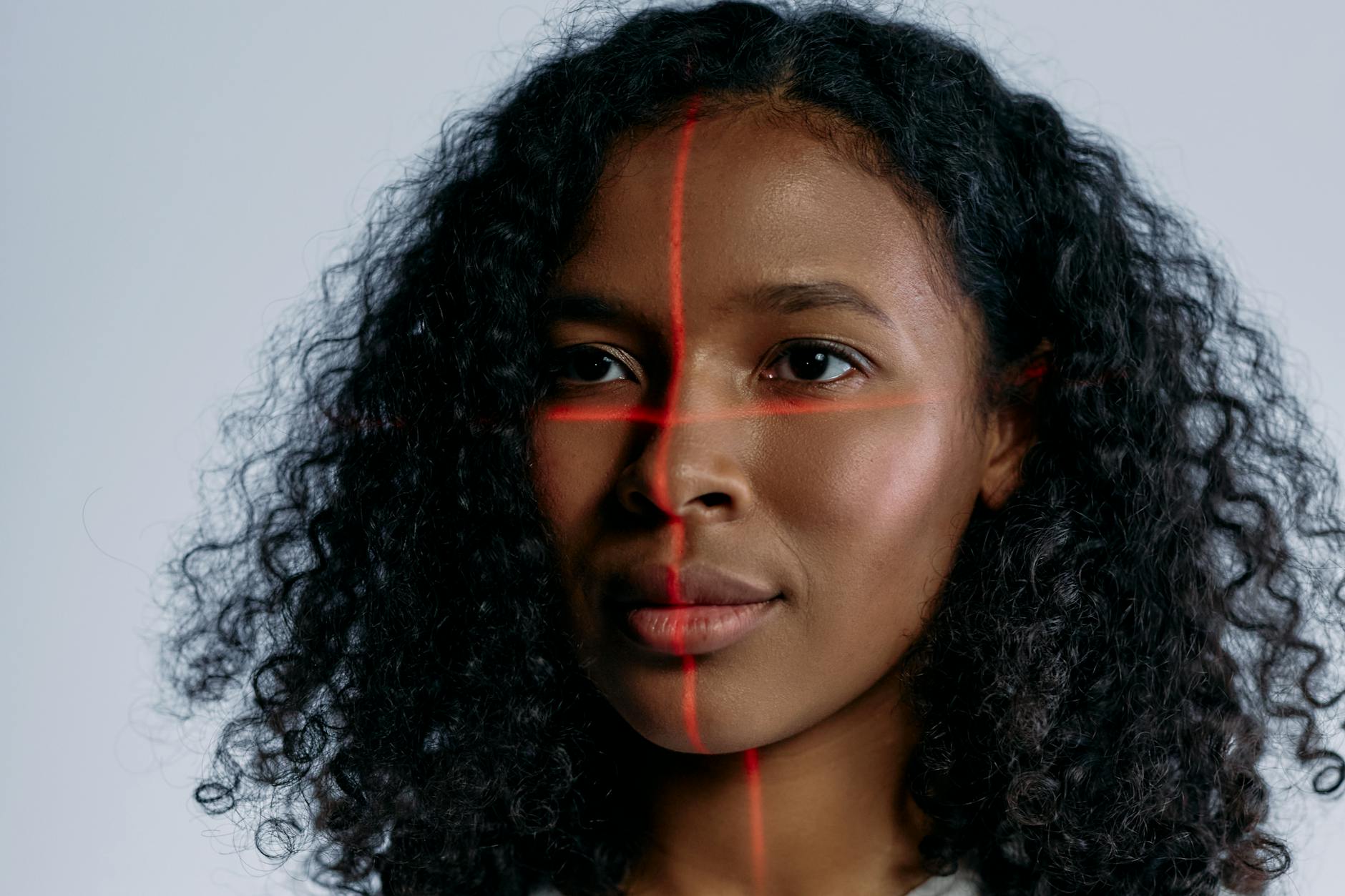
TL;DR 🚀
Make sure to check our deep dive on why this matters.
- Angela Lipps was wrongfully imprisoned for almost six months.
- A facial recognition system misidentified her as a fraud suspect.
- The case raises concerns about the reliability of such technology.
- The incident highlights the urgent need for regulatory frameworks governing AI use in law enforcement.
- Calls for accountability and transparency in tech deployment are growing louder.
In a shocking incident that underscores the potential dangers of facial recognition technology, Angela Lipps, a 50-year-old woman from Tennessee, found herself behind bars for nearly half a year due to a system error. This case not only highlights the pitfalls of relying on technology for law enforcement but also raises critical questions about justice and accountability.
The Incident 📅
Angela’s nightmare began when a facial recognition system mistakenly linked her to a bank fraud case. The technology, which is often touted for its efficiency, failed to accurately identify her, leading to her arrest. Despite her protests of innocence, she was held in custody while authorities sorted through the confusion.
Facial recognition technology works by analyzing facial features and comparing them to a database of known individuals. However, the algorithms used can be flawed, particularly when it comes to identifying individuals from diverse racial and ethnic backgrounds. In Angela’s case, the system misidentified her due to an error in the algorithm’s processing, which raises questions about the reliability of such technology.
This incident is a stark reminder of the limitations of AI in critical situations. As systems become more integrated into law enforcement, the stakes are higher. Human lives can be drastically affected by a simple error in data processing. Angela’s case serves as a cautionary tale about the over-reliance on technology without adequate checks and balances.
The Aftermath ⚖️
After spending almost six months in jail, Angela was finally released when authorities confirmed that she was not the suspect they were looking for. The ordeal has left her with lasting emotional and psychological scars. She expressed her frustration about the lack of accountability in the system, stating that no one should have to endure such a traumatic experience due to an error that could have been avoided.
The fallout from Angela’s wrongful imprisonment has sparked a broader conversation about the ethical implications of facial recognition technology. Critics argue that the technology is not only flawed but also disproportionately affects marginalized communities. A 2020 study by the National Institute of Standards and Technology (NIST) found that facial recognition algorithms were more likely to misidentify Black and Asian faces compared to white faces, highlighting systemic biases embedded in these technologies.
As seen in Angela’s case, the consequences can be devastating, leading to wrongful imprisonment and a loss of trust in law enforcement. The emotional toll on individuals wrongfully accused can be profound, often resulting in long-lasting trauma and challenges in reintegrating into society.
Quick Takeaways 📌
- Angela Lipps was wrongfully imprisoned due to a facial recognition error.
- The incident raises ethical questions about the use of AI in law enforcement.
- There is a growing call for stricter regulations on facial recognition technology.
- The case highlights systemic biases in facial recognition algorithms.
- The need for accountability and transparency in tech deployment is increasingly urgent.
FAQ ❔
What happened to Angela Lipps?
Angela Lipps was wrongfully arrested and spent nearly six months in jail due to a facial recognition system that misidentified her as a suspect in a bank fraud case.
How does facial recognition technology work?
Facial recognition technology analyzes facial features and compares them to a database of known individuals. It uses algorithms to determine the likelihood that a given face matches a face in its database. However, inaccuracies can occur, leading to wrongful identifications, particularly among individuals from marginalized communities.
What are the implications of this incident?
This case highlights the potential dangers of relying on technology for law enforcement, raising concerns about accountability, ethics, and the need for regulations in the use of facial recognition systems. The incident has prompted discussions on the necessity of implementing robust oversight mechanisms to ensure that such technologies are used responsibly and equitably.
What is being done to address these issues?
In response to incidents like Angela’s, various advocacy groups and lawmakers are pushing for stricter regulations on facial recognition technology. Some cities and states have already enacted bans or moratoriums on its use by law enforcement. Additionally, there is a growing movement to develop ethical guidelines for the deployment of AI technologies, emphasizing transparency, accountability, and the protection of civil liberties.
As society continues to grapple with the implications of advanced technologies, Angela Lipps’s story serves as a crucial reminder of the human cost of technological errors. The need for robust oversight and accountability in the use of facial recognition systems is more pressing than ever. The conversation around these issues is evolving, and it is essential for stakeholders—governments, tech companies, and civil society—to engage in meaningful dialogue to ensure that technology serves justice rather than undermines it.