
Expert Dismisses Spring Predictions of Drunken Waxwings in Moscow
A wildlife expert debunks claims of drunken waxwings appearing in Moscow this spring, providing insights into bird behavior and migration. Discover why it matte
- BackZee
- 4 min read
TL;DR 🚀
- Wildlife expert refutes claims of drunken waxwings in Moscow.
- Predictions were based on misunderstandings of bird behavior.
- Insights into waxwing migration patterns provided.
- Cultural myths surrounding wildlife can lead to misconceptions.
- Understanding bird diets is crucial for accurate predictions.
In a surprising turn of events, a wildlife expert has stepped forward to challenge the recent predictions about drunken waxwings making their appearance in Moscow this spring. This assertion has sparked curiosity and concern among bird enthusiasts and the general public alike. The idea of birds arriving inebriated is not only amusing but also highlights the intersection of folklore and wildlife observation.
The Buzz About Waxwings 🐦
Vera Pakhomova, the director of the Center for Rehabilitation and Reintroduction of Wild Birds, has publicly dismissed the forecast that waxwings would show up in a tipsy state. This claim, which seemed to gain traction, was based on a misunderstanding of the birds’ behavior and migration patterns.
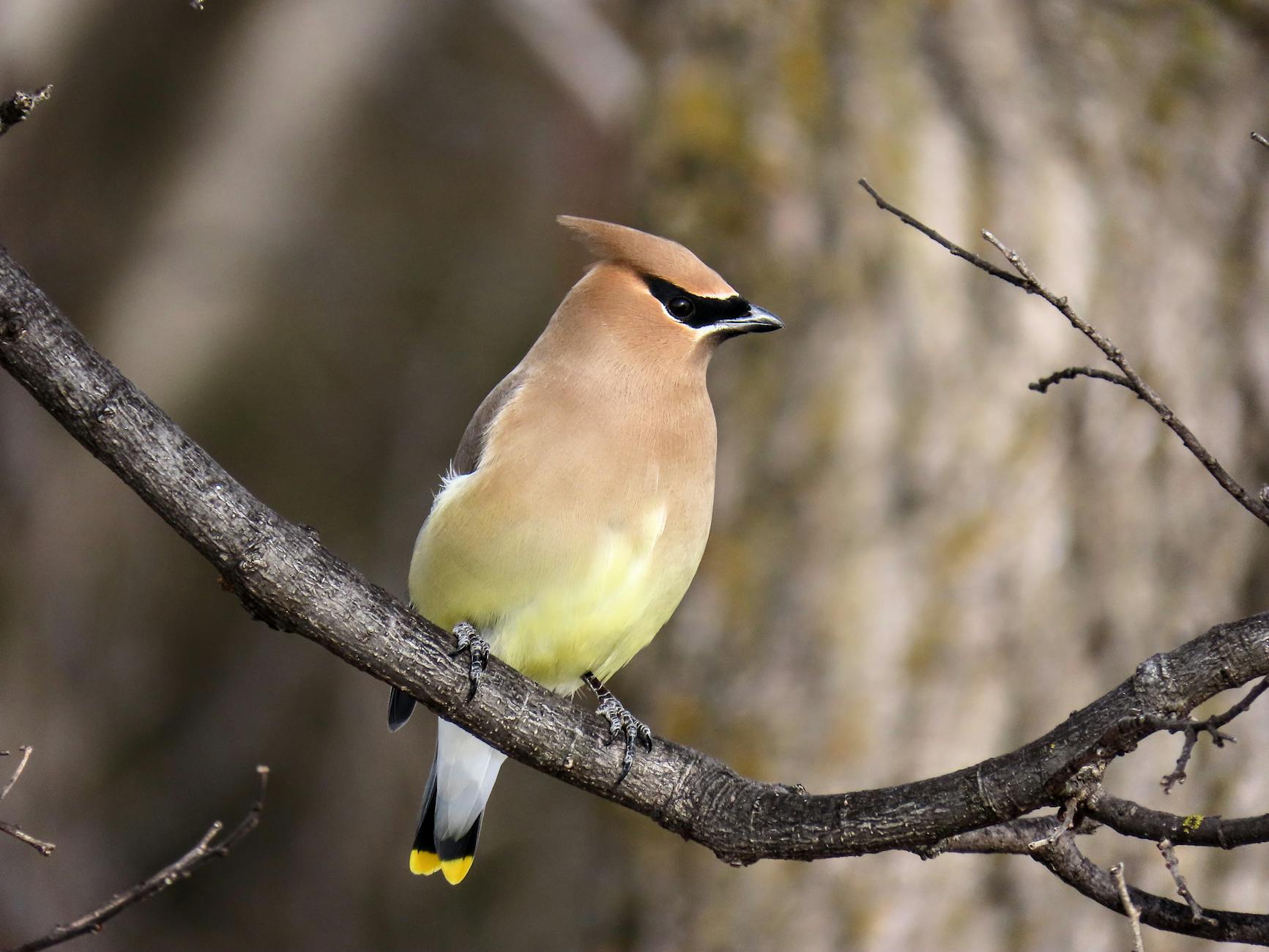
Waxwings are known for their striking appearance and social behavior, but the idea of them arriving inebriated is more myth than reality. Pakhomova emphasized that these birds are not known for consuming fermented fruits to the extent that would lead to drunkenness. Instead, their diet primarily consists of berries and insects, which are crucial for their health and energy during migration.
Understanding Waxwing Behavior
- Diet: Primarily berries and insects. Waxwings are particularly fond of berries from trees like rowan and hawthorn.
- Migration: They travel in flocks and are usually seen in urban areas during spring. Their migration can cover thousands of kilometers, often dictated by food availability.
- Social Nature: Known for their gregarious behavior, they often engage in communal feeding, which can lead to the misinterpretation of their lively interactions as drunkenness.
The waxwing’s social behavior is fascinating. They are often seen feeding together, and their vibrant plumage adds to their allure. In many cultures, these birds are celebrated for their beauty and are often featured in art and folklore. For instance, in some parts of Russia, waxwings are seen as harbingers of spring, symbolizing renewal and the return of life after winter.
Debunking the Myths 🧐
The notion of drunken waxwings has been fueled by anecdotal observations rather than scientific evidence. Pakhomova clarified that while waxwings do enjoy berries, they are not inclined to consume them in a way that would lead to drunkenness. This misconception likely arises from their vibrant social interactions and the occasional sighting of them around fermented fruit.
Interestingly, the phenomenon of animals consuming fermented fruit is not unique to waxwings. Other species, such as certain primates and even elephants, have been observed indulging in fermented fruits, leading to intoxication. However, waxwings do not exhibit this behavior to a significant extent.
For those interested in the intricacies of bird migration, you can explore more about the migration patterns of waxwings and other birds on our related post here.
Quick Takeaways 📌
- Waxwings are not prone to drunkenness.
- Misunderstandings about their behavior have led to false predictions.
- Expert insights clarify the true nature of these birds.
- Cultural myths can distort public perception of wildlife.
- Accurate knowledge of bird diets is essential for understanding their behavior.
FAQ ❔
What are waxwings known for?
Waxwings are known for their striking plumage and social behavior. They often travel in flocks and are recognized for their distinctive black, white, and yellow markings. Their name comes from the waxy tips on their wing feathers, which resemble drops of wax.
Why do people think waxwings get drunk?
The belief stems from observations of waxwings around fermented fruits, but experts clarify that their diet does not typically lead to intoxication. The vibrant social interactions of these birds can sometimes be misinterpreted as signs of drunkenness, especially when they are seen feeding in large groups.
How do waxwings migrate?
Waxwings migrate in search of food, primarily berries, and are often spotted in urban areas during spring as they return from their winter habitats. Their migration patterns can vary significantly based on environmental conditions and food availability, with some populations traveling as far as 3,000 kilometers.
Are there any other birds that exhibit similar behaviors?
Yes, several bird species exhibit social feeding behaviors, such as starlings and finches. Like waxwings, these birds often gather in flocks, which can lead to lively interactions. However, unlike waxwings, some species are known to consume fermented fruits more frequently, leading to intoxication.
In summary, while the idea of drunken waxwings might be amusing, it’s crucial to rely on expert insights to understand wildlife behavior accurately. Pakhomova’s clarifications serve as a reminder of the importance of scientific understanding in the face of popular myths. By fostering a deeper understanding of these birds, we can appreciate their role in our ecosystem and dispel the misconceptions that surround them.