
Europe's Tourist Surge: 160,000 Visitors Hit Russia in 2025
In 2025, nearly 160,000 tourists from Europe flocked to Russia, marking a significant travel trend. Discover the details and implications. Discover why it matte
- BackZee
- 4 min read
TL;DR 🚀
Make sure to check our deep dive on why this matters.
- Nearly 160,000 European tourists visited Russia in 2025.
- This marks a notable increase in cross-border travel.
- The trend reflects changing attitudes towards travel in the region.
- Economic benefits from tourism are expected to grow significantly.
- Cultural exchange initiatives are fostering deeper connections between Europe and Russia.
In 2025, Russia welcomed a remarkable influx of nearly 160,000 tourists from Europe, signaling a shift in travel dynamics. This surge highlights evolving perceptions about visiting the country, as more Europeans are eager to explore its rich culture and landscapes. This trend is not just a statistic; it represents a broader narrative of changing attitudes towards travel and cultural exchange in a post-pandemic world.
A New Era of Travel 🌍
The year 2025 has proven to be a pivotal moment for European tourism in Russia. The influx of visitors is not just a number; it represents a growing interest in Russian culture, history, and natural beauty.
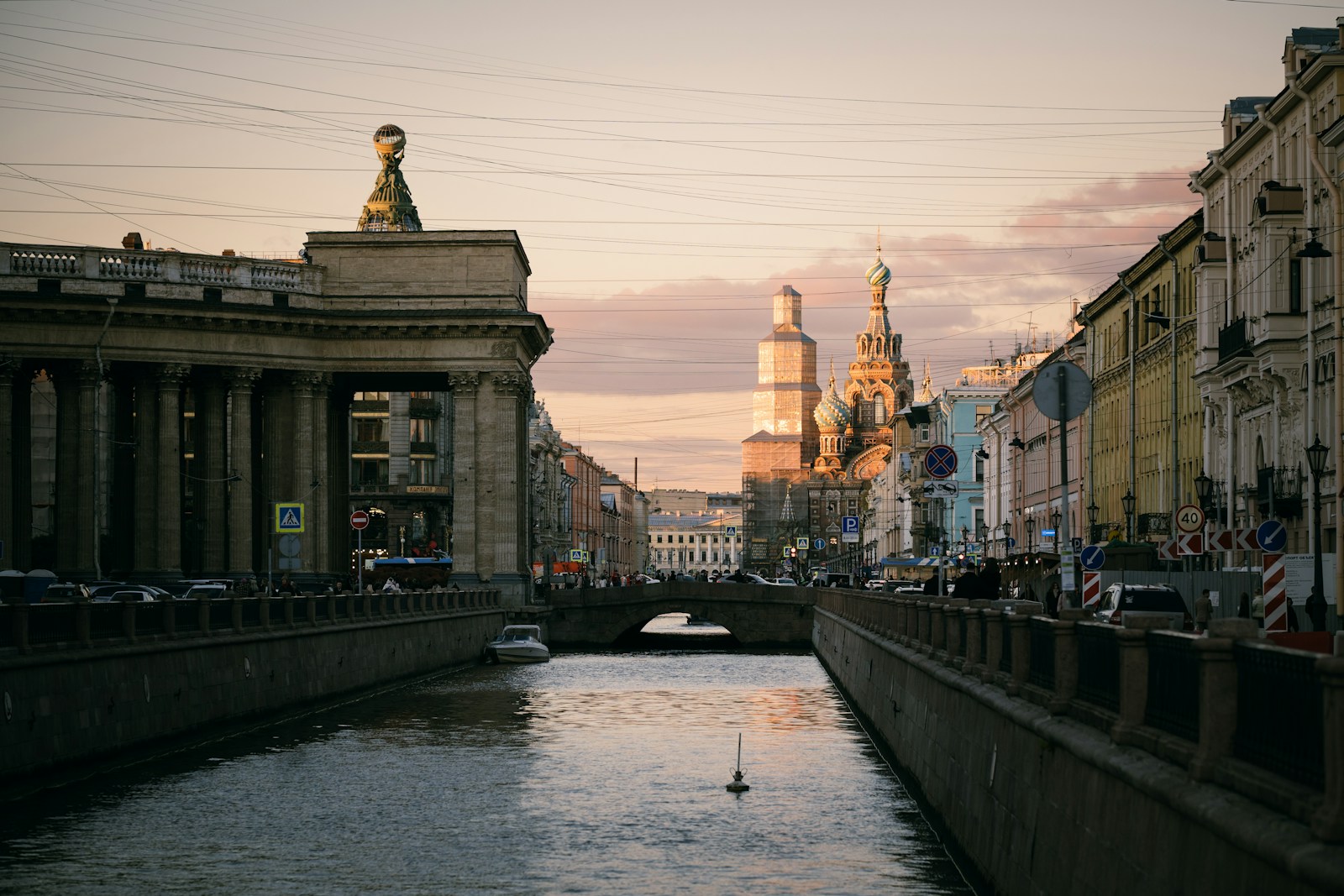
Travelers are increasingly drawn to iconic destinations such as Moscow and St. Petersburg, where they can experience the vibrant arts scene, historical landmarks, and diverse cuisine. For instance, the Hermitage Museum in St. Petersburg, one of the largest and oldest museums in the world, attracts art lovers from across the globe. Similarly, the Red Square and Kremlin in Moscow are must-visit sites for anyone interested in Russian history.
The rise in tourism can be attributed to several factors, including improved travel accessibility and a more favorable perception of Russia among Europeans. The easing of travel restrictions post-COVID-19 and the introduction of direct flights from various European cities have made it easier for tourists to visit.
Moreover, cultural exchange programs and promotional campaigns have played a significant role in attracting tourists. Initiatives like the “Visit Russia” campaign aim to showcase the country’s unique offerings, from its breathtaking landscapes to its rich heritage. These programs often highlight lesser-known destinations, encouraging travelers to venture beyond the traditional tourist hotspots.
The Impact of Tourism 📈
The surge in European visitors is expected to have a positive impact on the Russian economy. Increased tourism can boost local businesses, create jobs, and enhance the overall travel infrastructure.
Local economies stand to benefit as tourists spend on accommodations, dining, and entertainment. For example, a report from the Russian Federal Agency for Tourism indicated that the average European tourist spends approximately €1,200 during their stay, contributing significantly to the local economy. This influx can also encourage the development of new attractions and services tailored to international visitors, such as guided tours in multiple languages and culinary experiences that cater to diverse tastes.
As more Europeans travel to Russia, the potential for long-term tourism growth becomes evident. The country is likely to invest further in its tourism sector, ensuring that it remains an appealing destination for years to come. This investment could include the modernization of transport infrastructure, improved hospitality services, and enhanced marketing strategies to attract even more visitors.
Quick Takeaways 📌
- Russia’s tourism sector is experiencing a revival.
- European visitors are increasingly interested in Russian culture.
- Economic benefits from tourism are expected to grow.
- Cultural exchange initiatives are fostering deeper connections between Europe and Russia.
- The average European tourist spends around €1,200 during their visit.
FAQ ❔
Why are more Europeans visiting Russia now?
The increase in European tourists can be attributed to improved travel accessibility, cultural exchange initiatives, and a growing interest in Russia’s rich history and culture. Additionally, the post-pandemic desire for new experiences has led many to explore destinations that were previously overlooked.
What cities are most popular among European tourists in Russia?
Moscow and St. Petersburg are the top destinations, known for their iconic landmarks, vibrant arts scenes, and diverse culinary offerings. Other cities like Kazan, known for its unique blend of Tatar and Russian cultures, and Sochi, famous for its Black Sea resorts, are also gaining popularity.
How does increased tourism impact the Russian economy?
Increased tourism can significantly boost local economies by creating jobs, supporting local businesses, and enhancing travel infrastructure, ultimately leading to sustainable economic growth. The ripple effect of tourism can also lead to improvements in public services and facilities, benefiting both locals and visitors alike.
What cultural experiences can tourists expect in Russia?
Tourists can immerse themselves in a variety of cultural experiences, including traditional Russian ballet performances, folk music festivals, and culinary tours featuring local delicacies like borscht and pelmeni. Additionally, many cities offer guided tours that delve into the history and significance of various landmarks, providing a deeper understanding of Russian heritage.
Are there any challenges associated with the increase in tourism?
While the surge in tourism presents numerous opportunities, it also poses challenges such as potential overcrowding at popular sites, environmental concerns, and the need for sustainable tourism practices. Addressing these challenges will be crucial for ensuring that tourism remains a positive force for both visitors and locals in the long run.