
Elon Musk Claims World of Warcraft Linked to Money Laundering Scandal
Elon Musk raises eyebrows by alleging World of Warcraft is tied to money laundering involving Steve Bannon. Explore the implications of this claim.
- BackZee
- 5 min read
TL;DR 🚀
Make sure to check our deep dive on why this matters.
- Elon Musk accuses Steve Bannon of using World of Warcraft for money laundering.
- The claim has sparked significant debate within the gaming community.
- Musk’s history of controversial statements continues to raise eyebrows.
- The potential implications of this claim could reshape perceptions of gaming economies.
- Discussions about the ethics of in-game transactions are reignited.
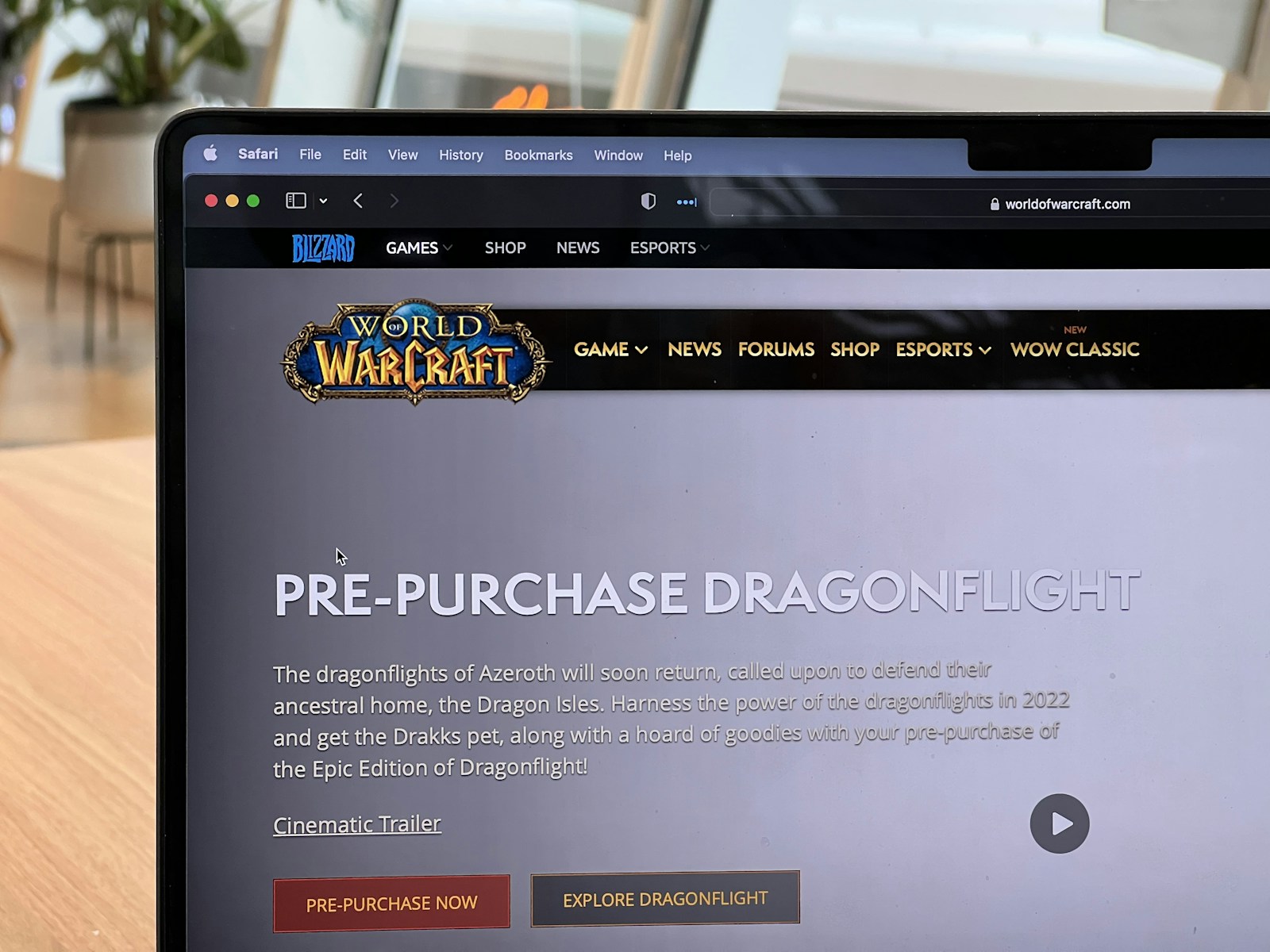
In a surprising twist, Elon Musk has made headlines again, this time for alleging that the popular MMORPG, World of Warcraft, is being used as a vehicle for money laundering by none other than Steve Bannon. This claim has ignited discussions across both the gaming and political landscapes, raising questions about the intersection of gaming culture and financial crime.
Musk’s Bold Allegation 🎮
Musk’s comments come as part of his ongoing commentary on video games, a topic he frequently engages with. However, this latest accusation is far more serious than his previous critiques of gaming mechanics or performance. He suggests that Bannon, a controversial political figure, may be leveraging the game to facilitate illicit financial activities.
World of Warcraft, known for its expansive virtual world and dedicated player base, has often been a subject of scrutiny. Critics have pointed out that the game’s economy, which allows players to trade in-game currency for real-world money, could potentially be exploited for nefarious purposes. Musk’s assertion adds a new layer to this ongoing debate, as it implies a direct connection between a high-profile political figure and a beloved gaming platform.
The implications of such a claim are vast. If true, it could lead to significant repercussions not only for Bannon but also for the gaming industry as a whole. The idea that a game could be used for money laundering challenges the perception of gaming as a harmless pastime and raises concerns about the potential for abuse within virtual economies.
The Mechanics of In-Game Economies 💰
To understand Musk’s claims, it’s essential to delve into the mechanics of in-game economies. In World of Warcraft, players can earn in-game currency (gold) through various activities such as questing, crafting, and trading. This currency can be exchanged for real money through third-party services, a practice that is often against the game’s terms of service. The ease of converting virtual assets into real-world currency creates a potential loophole for money laundering, where illicit funds could be funneled through in-game transactions.
According to a report by the International Journal of Gaming and Computer-Mediated Simulations, the global gaming market was valued at approximately $159.3 billion in 2020, with a significant portion attributed to in-game purchases and microtransactions. This financial landscape makes it ripe for exploitation, as the anonymity of online transactions can obscure the origins of funds.
The Gaming Community Reacts 🌐
As news of Musk’s accusations spread, reactions from the gaming community have been mixed. Some players express skepticism, viewing Musk’s claims as sensationalist and lacking evidence. Others, however, are taking the allegations seriously, prompting discussions about the ethics of in-game transactions and the potential for exploitation.
Critics of Musk argue that his tendency to make bold statements without substantial backing can undermine serious discussions about gaming and its societal impacts. Meanwhile, supporters believe that his comments could shine a light on important issues regarding the regulation of virtual economies.
The gaming industry has faced scrutiny in the past regarding its economic structures. With the rise of microtransactions and in-game purchases, questions about transparency and legality have become increasingly relevant. Musk’s allegations may prompt further investigation into how games like World of Warcraft operate and whether they are susceptible to criminal activities.
Cultural Insights and Broader Implications 🌍
The intersection of gaming and financial crime is not new, but Musk’s high-profile allegations bring it to the forefront of public discourse. In countries like South Korea, where gaming is a significant part of youth culture, the government has implemented strict regulations to combat illegal in-game transactions. The Korean Game Industry Agency has reported a rise in cases of money laundering linked to online games, emphasizing the need for regulatory frameworks.
Moreover, the cultural perception of gaming as merely a form of entertainment is shifting. As gaming continues to integrate with real-world economies, the potential for misuse raises ethical questions about responsibility. Should game developers be held accountable for the misuse of their platforms? How can they implement measures to prevent exploitation while still allowing for a vibrant in-game economy?
Quick Takeaways 📌
- Elon Musk’s claims link Steve Bannon to potential money laundering via gaming.
- The gaming community is divided on the validity of these allegations.
- Discussions about the ethics of in-game transactions are reignited.
- The mechanics of in-game economies raise concerns about potential exploitation.
- Regulatory frameworks in other countries may provide insights for addressing these issues.
FAQ ❔
What did Elon Musk accuse Steve Bannon of?
Elon Musk accused Steve Bannon of using World of Warcraft as a means to launder money, suggesting a serious connection between the game and illicit financial activities.
How has the gaming community responded to Musk’s claims?
Reactions have been mixed, with some players skeptical of Musk’s allegations, while others are taking them seriously and discussing the implications for in-game economies.
What are the potential implications of these allegations?
If proven true, Musk’s claims could lead to significant scrutiny of both Bannon and the gaming industry, raising questions about the regulation of virtual economies and the potential for exploitation within them.
What are in-game economies, and how can they be exploited?
In-game economies refer to the virtual financial systems within games that allow players to earn and trade currency. They can be exploited through illicit transactions that convert virtual assets into real money, potentially facilitating money laundering.
How do other countries regulate gaming to prevent financial crime?
Countries like South Korea have implemented strict regulations to combat illegal in-game transactions, emphasizing the need for transparency and accountability in the gaming industry.