
Electric Scooters Banned in Kotelniki and Lyubertsy: What You Need...
Kotelniki and Lyubertsy have implemented a ban on electric scooters. Discover the reasons and implications of this decision. Discover why it matters and what ha
- BackZee
- 5 min read
TL;DR 🚀
Make sure to check our deep dive on why this matters.
- Electric scooters are now banned in Kotelniki and Lyubertsy.
- The decision aims to enhance public safety and reduce accidents.
- Local authorities are exploring alternative transportation solutions.
- The ban reflects a growing trend in urban areas prioritizing pedestrian safety.
- Residents are encouraged to adapt to new forms of transportation.
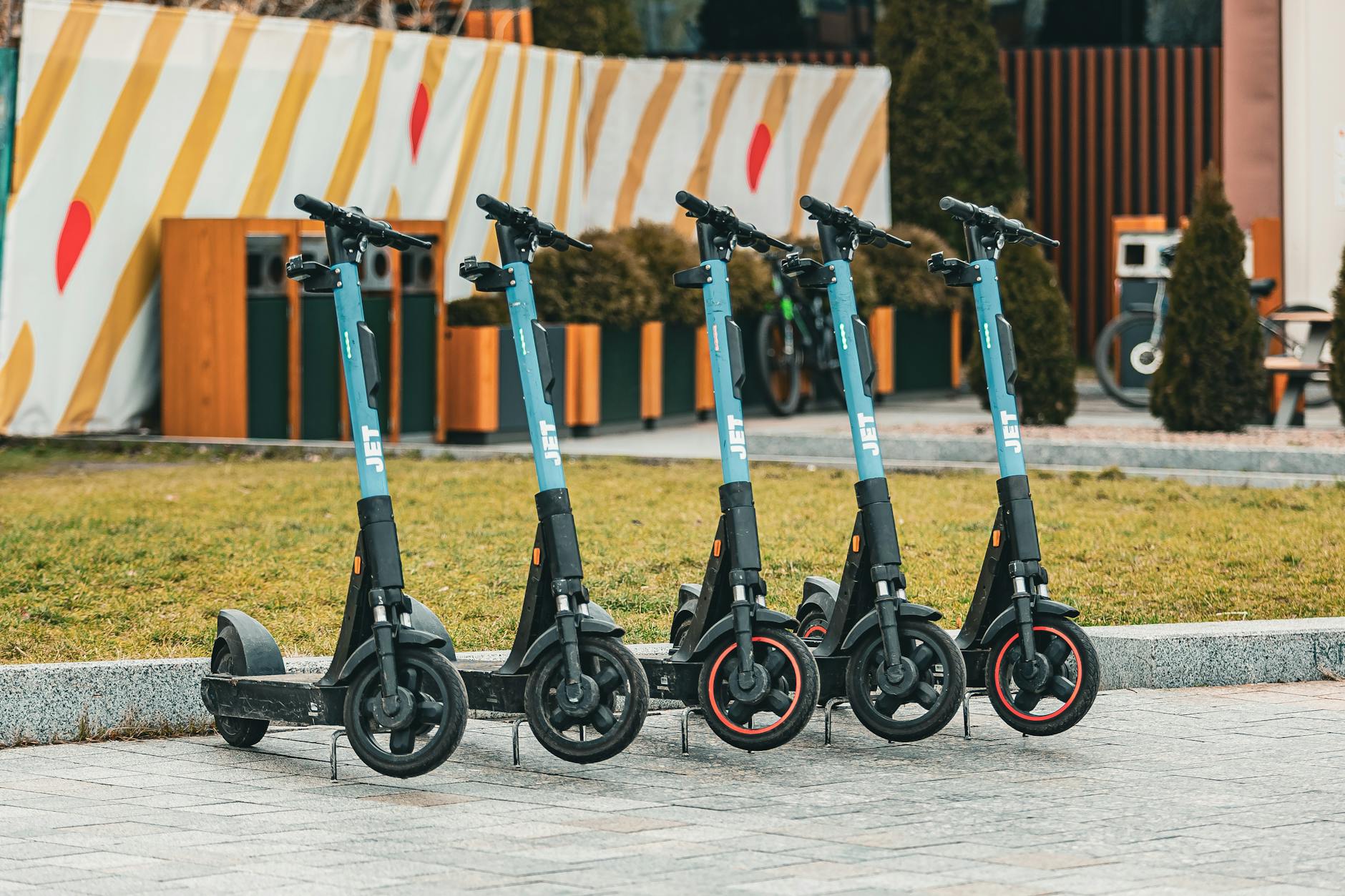
In a surprising move, the cities of Kotelniki and Lyubertsy have decided to prohibit electric scooters from their streets. This ban, effective immediately, has stirred conversations about urban mobility and safety. As electric scooters have surged in popularity, so have concerns regarding their safety and the rules governing their use.
The Surge of Electric Scooters 🚴♂️
Electric scooters have become a common sight in urban areas worldwide, offering a convenient and eco-friendly mode of transportation. According to a report from the European Commission, the use of electric scooters in Europe increased by over 50% in the last two years alone. However, with this rise in popularity has come a spike in accidents.
In Kotelniki and Lyubertsy, local authorities reported a 30% increase in scooter-related accidents over the past year. Many of these incidents involved pedestrians and resulted in serious injuries, prompting city officials to take action.
Why the Ban? 🚫
The local government has cited public safety as the primary reason for this ban. With an increase in accidents involving electric scooters, officials believe that restricting their use will lead to safer streets for pedestrians and drivers alike.
Recent statistics have shown a rise in injuries related to scooter accidents, prompting city leaders to take action. Many residents have expressed their concerns about reckless riding and the lack of designated lanes for scooters, which often leads to dangerous situations.
Moreover, the cities are looking to improve overall traffic management. By removing electric scooters from the streets, they hope to reduce congestion and create a more organized transportation environment. This decision aligns with a broader trend observed in various cities around the globe, where authorities are increasingly prioritizing pedestrian safety over the convenience of electric scooters.
Cultural Insights 🌍
The ban on electric scooters in Kotelniki and Lyubertsy is reflective of a growing global conversation about urban mobility. Cities like Paris and San Francisco have also implemented restrictions on electric scooters due to safety concerns. In many cases, these bans have sparked debates about the balance between innovation in transportation and the need for public safety.
In Russia, where urban infrastructure is still developing, the introduction of electric scooters has been met with mixed reactions. While some residents appreciate the convenience, others worry about the lack of regulations governing their use. The ban in Kotelniki and Lyubertsy may serve as a precedent for other cities in the region grappling with similar challenges.
Alternatives on the Horizon 🌍
In light of the ban, local authorities are considering alternative modes of transportation to fill the gap left by electric scooters. Options like bike-sharing programs and enhanced public transit services are being discussed.
For instance, cities like Moscow have successfully implemented bike-sharing systems that allow residents to rent bicycles for short trips. These programs not only promote physical activity but also contribute to reducing traffic congestion.
Additionally, there are discussions around improving public transportation services, including the expansion of bus routes and the introduction of more frequent service. These alternatives aim to provide residents with safe and efficient ways to navigate the cities without relying on electric scooters. The goal is to promote environmentally friendly transportation while ensuring the safety of all road users.
Quick Takeaways 📌
- The ban on electric scooters is a response to rising accident rates.
- Local governments are prioritizing pedestrian and driver safety.
- Alternatives to scooters are being explored to maintain urban mobility.
- The decision reflects a broader trend in urban areas focusing on safety.
- Residents are encouraged to adapt to new forms of transportation.
FAQ ❔
Why were electric scooters banned in Kotelniki and Lyubertsy?
The ban was implemented primarily to enhance public safety due to a rise in accidents involving electric scooters. Local authorities believe that removing them from the streets will lead to safer conditions for all road users.
What alternatives are being considered for transportation?
Local officials are exploring options such as bike-sharing programs and improvements to public transportation to ensure residents have safe and efficient ways to travel without electric scooters.
How will this affect residents who rely on electric scooters?
Residents who relied on electric scooters for transportation will need to adapt to alternative modes of travel. The local government is working on solutions to ensure that mobility needs are met while prioritizing safety.
What lessons can other cities learn from this ban?
Other cities can observe the outcomes of this ban to understand the impact on public safety and urban mobility. It may encourage them to reevaluate their regulations surrounding electric scooters and consider alternative transportation solutions.
Will there be any public forums to discuss this ban?
Local authorities have indicated that they will hold public forums to discuss the implications of the ban and gather feedback from residents. This engagement is crucial for understanding community needs and preferences regarding transportation.
As the ban unfolds, it will be interesting to see how residents adapt and what new transportation initiatives will emerge in Kotelniki and Lyubertsy. The conversation around urban mobility is evolving, and this decision could set a precedent for other cities grappling with similar issues.