
New Proposal: Drug Testing Drivers via Saliva in Russia
Russia's Ministry of Internal Affairs suggests saliva tests for drivers to combat drug use. Learn more about this new initiative. Discover why it matters and wh
- BackZee
- 5 min read
TL;DR 🚀
Make sure to check our deep dive on why this matters.
- Russia’s Ministry of Internal Affairs proposes saliva tests for drivers.
- The initiative aims to enhance road safety and reduce drug-related incidents.
- This method could streamline the testing process for law enforcement.
- Saliva tests are less invasive and provide quicker results than traditional methods.
- Ethical considerations regarding privacy and consent are crucial in the implementation process.
In a bold move to improve road safety, Russia’s Ministry of Internal Affairs has put forth a proposal to implement saliva testing for drivers suspected of drug use. This initiative is designed to combat the rising concerns over drug-related incidents on the roads, aiming to create a safer driving environment for everyone. With drug-related traffic accidents on the rise, this proposal reflects a growing recognition of the need for effective measures to ensure public safety.
Saliva Testing: A Game Changer? 🚦
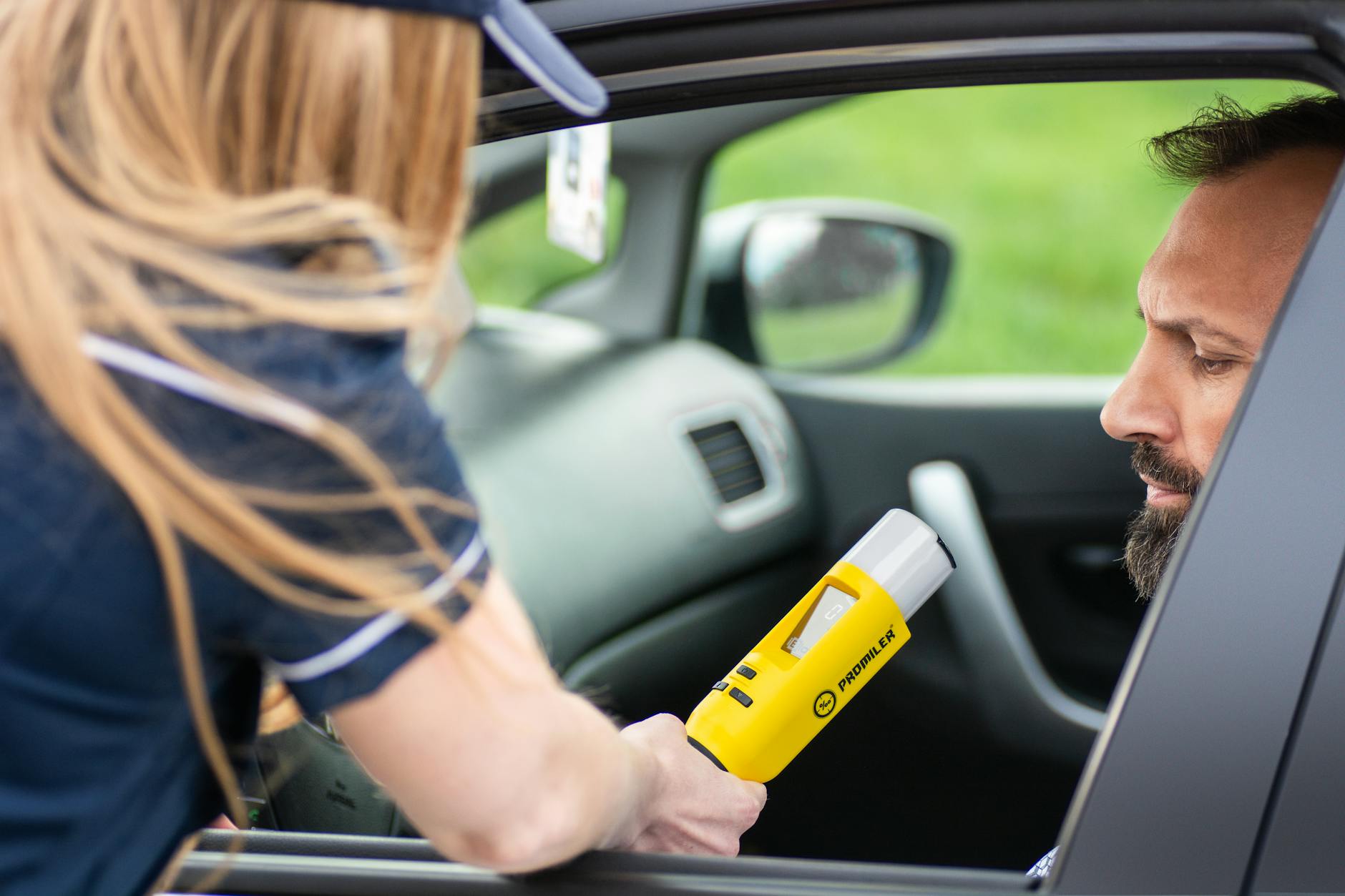
The proposed saliva testing method could revolutionize how authorities handle suspected drug use among drivers. Unlike traditional methods, which often involve blood tests, saliva tests are less invasive and can provide results more quickly. This means that law enforcement can make faster decisions on the road, potentially reducing the number of impaired drivers.
Saliva tests can detect a variety of substances, including cannabis, cocaine, and opiates. According to a report by the Russian Federal Traffic Safety Inspectorate, drug-related accidents accounted for approximately 15% of all traffic incidents in 2025, underscoring the urgent need for effective testing methods. The goal is to create a more effective system for identifying drivers under the influence, thereby improving overall traffic safety. This proposal is part of a broader strategy to address the growing issue of drug abuse in the country.
- Quick results: Saliva tests can yield results within minutes, allowing for immediate action.
- Less invasive: Drivers may prefer this method over blood tests, which can be more uncomfortable and time-consuming.
- Broader detection: Capable of identifying multiple drugs simultaneously, enhancing the ability to catch impaired drivers.
The Science Behind Saliva Testing
Saliva testing works by detecting the presence of drugs in the oral fluid, which can indicate recent use. The window of detection for saliva tests is generally shorter than for urine tests, making them particularly useful for identifying drivers who are currently impaired. Research indicates that saliva tests can accurately detect drugs within a few hours after consumption, aligning with the critical time frame for assessing driver impairment.
Addressing Concerns and Challenges ⚖️
While the idea of saliva testing is promising, it does come with its own set of challenges. Critics argue that the accuracy of saliva tests can vary, and there are concerns about false positives. A study published in the Journal of Analytical Toxicology noted that while saliva tests are generally reliable, factors such as the timing of the test and individual metabolism can influence results.
Additionally, the implementation of such a system would require significant training for law enforcement personnel and the establishment of proper protocols. Countries like Australia and Canada have already implemented saliva testing with varying degrees of success, providing valuable lessons for Russia. For instance, in Australia, the introduction of saliva testing led to a 10% reduction in drug-related traffic fatalities within the first year.
Moreover, there are ethical considerations regarding privacy and consent. Drivers may feel uncomfortable with the idea of being tested on the spot, raising questions about how to balance public safety with individual rights. The potential for abuse of power by law enforcement officials is also a concern, necessitating clear guidelines and oversight. For more insights on this topic, check out our post on /posts/drug-testing-ethics.
Quick Takeaways 📌
- Saliva tests could provide rapid results for suspected drug use, enhancing road safety.
- The initiative faces challenges regarding accuracy and ethical concerns, necessitating careful planning.
- Law enforcement will need training to implement this testing effectively, drawing from international best practices.
- Public awareness campaigns may be necessary to educate drivers about their rights and the testing process.
FAQ ❔
What substances can saliva tests detect?
Saliva tests can identify a range of drugs, including cannabis, cocaine, opiates, and amphetamines, making them a versatile tool for law enforcement. This broad detection capability is crucial in addressing the diverse drug landscape in Russia.
How quickly can results be obtained from saliva tests?
One of the advantages of saliva testing is that results can typically be obtained within minutes, allowing for swift action by authorities. This rapid turnaround is essential for effective law enforcement on the roads.
Are there any concerns about the accuracy of saliva tests?
Yes, there are concerns regarding the potential for false positives and the overall accuracy of saliva tests, which will need to be addressed before widespread implementation. Continuous validation and calibration of testing devices will be necessary to maintain accuracy.
What are the ethical implications of on-the-spot testing?
The ethical implications include concerns about privacy, consent, and the potential for misuse of testing authority. It is vital to establish clear protocols that protect individual rights while ensuring public safety.
As Russia considers this new approach to drug testing drivers, the implications for road safety and law enforcement practices could be significant. The balance between ensuring public safety and respecting individual rights will be crucial as this proposal moves forward. By learning from the experiences of other countries and addressing the challenges head-on, Russia can pave the way for a safer driving environment.