
Decline in Children's Clothing Stores in Russia: What It Means
Explore the recent drop in children's clothing stores in Russia and its implications for families and the retail market. Discover why it matters and what happen
- BackZee
- 5 min read
TL;DR 🚀
Make sure to check our deep dive on why this matters.
- Children’s clothing stores in Russia have seen a significant decline.
- Economic factors and changing consumer habits are contributing to this trend.
- The reduction impacts families and the overall retail landscape.
- The shift towards online shopping is reshaping consumer behavior.
- Future retail strategies may focus on niche markets and e-commerce solutions.
In recent years, the number of children’s clothing stores in Russia has noticeably decreased. This trend raises questions about the evolving retail environment and its effects on families seeking affordable and stylish options for their kids. The decline in physical retail spaces is not merely a statistic; it reflects a complex interplay of economic pressures, cultural shifts, and changing consumer behaviors.
The Retail Landscape 📉
The decline in children’s clothing stores is not just a local issue; it’s reflective of broader economic challenges. According to recent reports, the number of children’s clothing retailers has dropped by approximately 25% over the past five years. Many retailers are struggling to keep up with rising costs and shifting consumer preferences. As families tighten their budgets, the demand for children’s clothing has changed, leading to store closures across the country.
Several factors are at play here. Inflation has made it more difficult for families to spend on non-essential items, including children’s fashion. In 2023, inflation rates in Russia reached a staggering 11%, significantly impacting disposable income. Additionally, the rise of online shopping has shifted how parents purchase clothing for their kids. Many are opting for e-commerce platforms that offer convenience and competitive pricing, further squeezing traditional brick-and-mortar stores.
The Impact on Families 👨👩👧
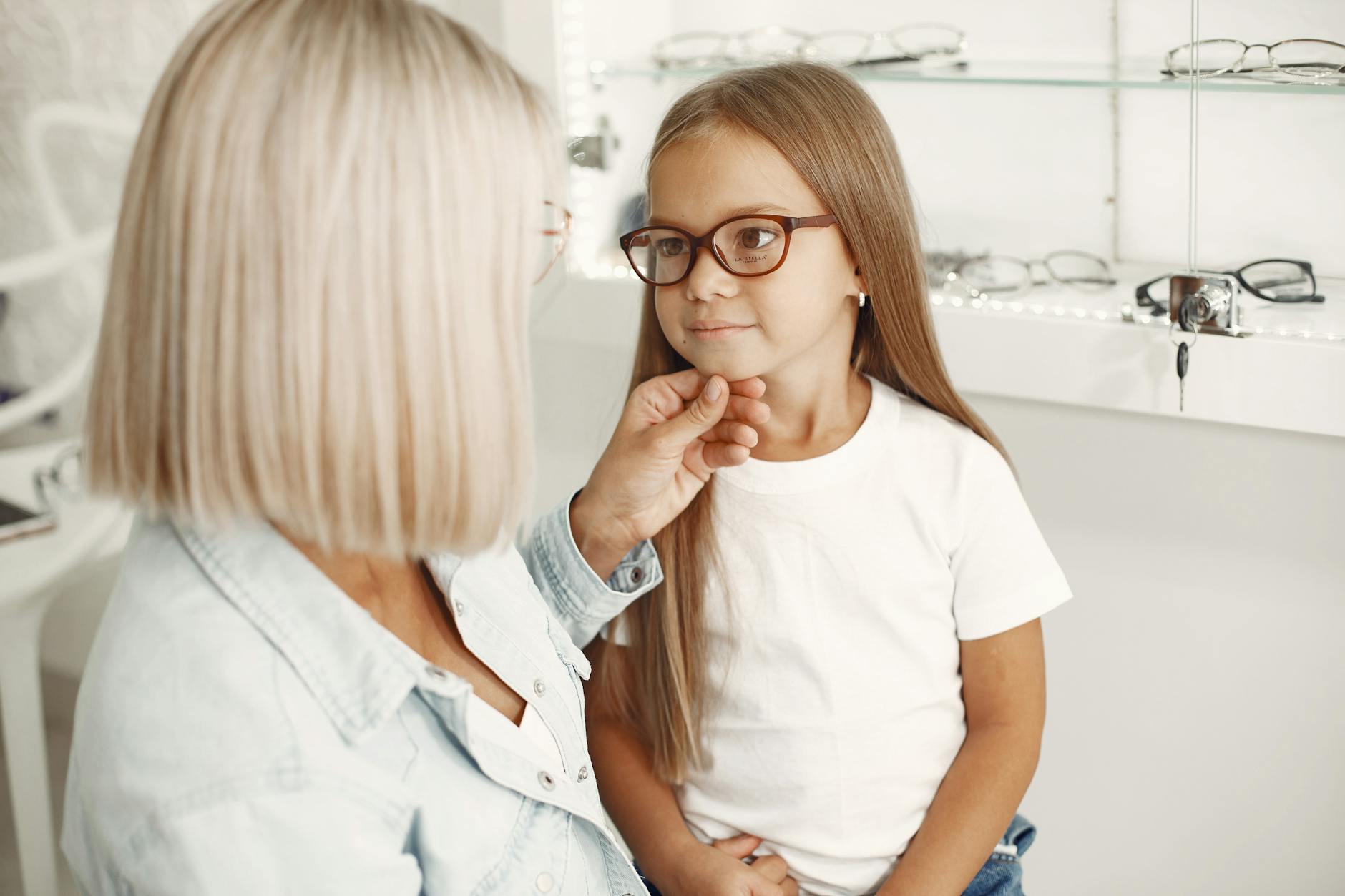
The reduction in physical stores means fewer options for parents. Shopping for children’s clothing is often about more than just the clothes; it’s a social experience. Parents enjoy taking their children to stores, allowing them to choose outfits and engage in the shopping process. With fewer stores available, this experience is becoming increasingly rare.
Moreover, the closures can lead to limited availability of sizes and styles, forcing parents to rely on online shopping, which may not always provide the same level of satisfaction. The tactile experience of feeling fabrics and trying on clothes is lost in the digital realm. A survey conducted in 2023 revealed that 60% of parents miss the in-store shopping experience, particularly the ability to see how clothes fit their children before purchasing.
Additionally, the decline in children’s clothing stores can exacerbate socioeconomic disparities. Families in rural areas or smaller towns often have limited access to online shopping and may rely heavily on local stores. As these stores close, they may find themselves without affordable options, leading to increased financial strain.
Economic Implications 💰
The decline of children’s clothing stores is indicative of a larger trend within the retail sector. As more consumers shift to online shopping, traditional retailers must adapt or risk falling behind. This transition can lead to a restructuring of the retail market, with a focus on e-commerce and a potential rise in niche brands catering to specific needs.
For instance, brands that specialize in sustainable or organic children’s clothing are gaining traction as parents become more conscious of their purchasing decisions. The global market for sustainable children’s apparel is projected to grow by 8% annually, reflecting a significant shift in consumer priorities.
Furthermore, the rise of social media and influencer marketing has created new avenues for brands to reach consumers. Many parents now turn to platforms like Instagram and TikTok for fashion inspiration, leading to a surge in direct-to-consumer brands that bypass traditional retail channels altogether.
For more insights on the retail landscape, check out our post on the future of shopping trends in Russia at /posts/future-shopping-trends-russia.
Quick Takeaways 📌
- The number of children’s clothing stores in Russia is decreasing.
- Economic pressures and online shopping trends are key factors.
- Families may face challenges in finding suitable clothing options.
- The shift towards e-commerce is reshaping consumer behavior.
- Niche brands focusing on sustainability and unique offerings are on the rise.
FAQ ❔
Why are children’s clothing stores closing in Russia?
The closures are primarily due to economic factors such as inflation and changing consumer habits, with many families opting for online shopping over traditional retail experiences. Additionally, the high operational costs associated with maintaining physical stores contribute to this trend.
How does this affect parents and children?
Parents may find it more challenging to shop for children’s clothing, as fewer stores mean limited options and a loss of the in-store shopping experience that many families enjoy. The inability to try on clothes or assess quality in person can lead to dissatisfaction with online purchases.
What does the future hold for children’s clothing retail in Russia?
The retail landscape is likely to continue evolving, with a potential shift towards online shopping and niche brands that cater to specific consumer needs, impacting how families shop for children’s apparel. Retailers may need to innovate by enhancing their online presence, offering personalized shopping experiences, and focusing on sustainability to attract modern consumers.
Are there any initiatives to support local children’s clothing stores?
Some local governments and organizations are exploring initiatives to support small businesses, including children’s clothing stores, through grants, subsidies, and training programs. These efforts aim to bolster the local economy and provide families with more shopping options.
How can parents adapt to the changing retail environment?
Parents can adapt by exploring various online platforms, utilizing size guides, and reading reviews to make informed purchasing decisions. Additionally, participating in community groups or forums can help them discover local pop-up shops or markets that may offer children’s clothing.