
Dancer in Diver Suit Arrested for Metro Performance in Moscow
A man was arrested for dancing in a diver suit in Moscow's metro, causing a stir. Read about the incident and its implications. Discover why it matters for Gen-
- BackZee
- 5 min read
TL;DR 🚀
Make sure to check our deep dive on why this matters.
- A man was arrested for dancing in a diver suit in Moscow’s metro.
- The performance drew attention and sparked conversations about public expression.
- Authorities responded quickly, leading to a four-day detention.
- Public opinion is divided, with many supporting the dancer’s creativity.
- The incident raises questions about the balance between artistic freedom and public safety.
In a surprising turn of events, a man in Moscow found himself in hot water after performing an impromptu dance in a diver suit at a metro station. This incident has ignited discussions about public performances and the limits of self-expression in urban spaces, particularly in a city known for its rich cultural history and vibrant arts scene.
The Dance That Stopped the Metro 🚇
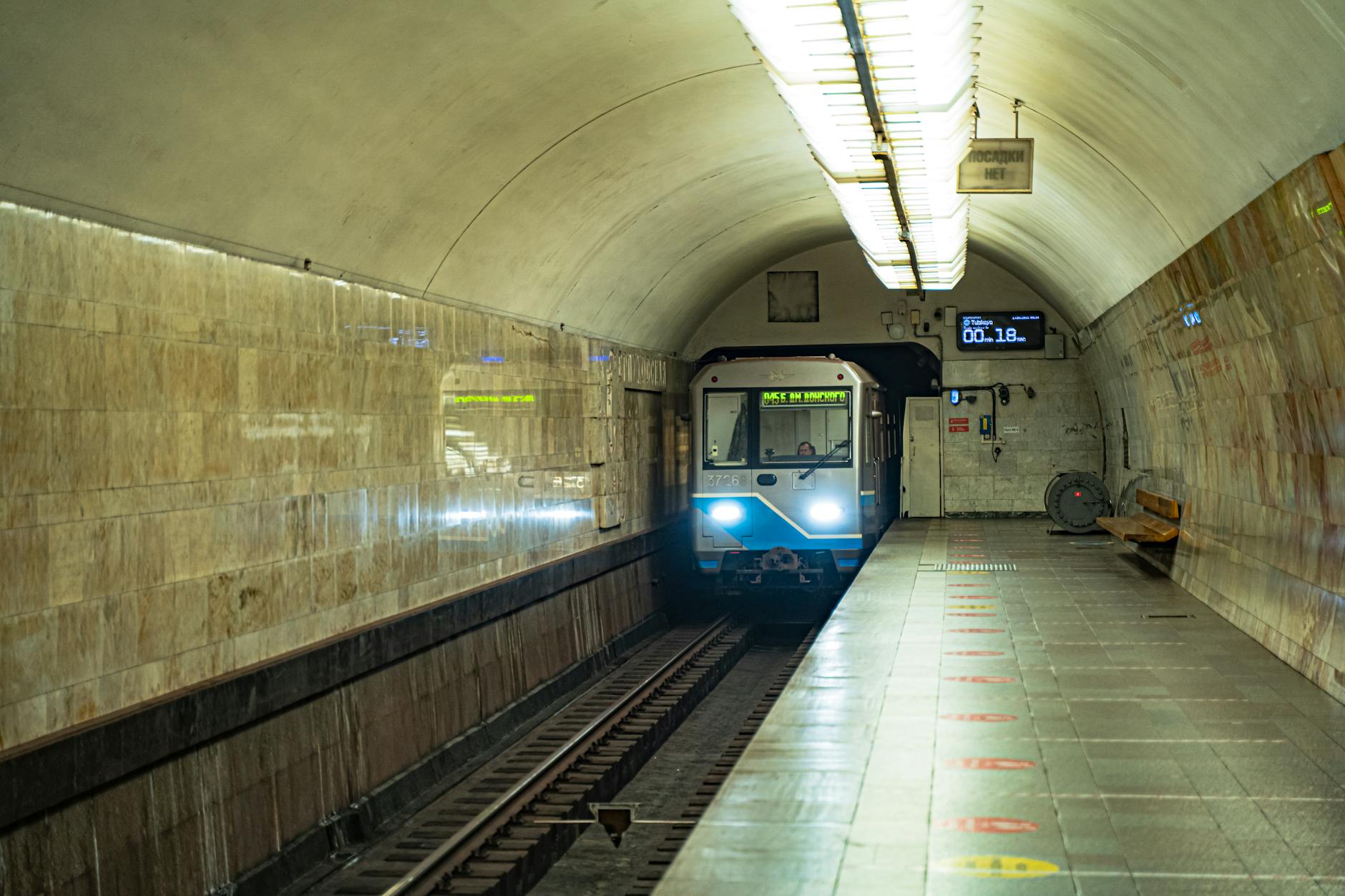
The unusual scene unfolded as the man, dressed in a full diver costume, decided to showcase his dance moves in the bustling metro. Witnesses were captivated by the performance, which was both entertaining and bizarre. The diver suit, typically associated with underwater exploration, added an unexpected twist to the urban setting.
As commuters rushed to catch their trains, the dancer’s energetic movements and playful antics momentarily transformed the mundane atmosphere of the metro into a lively spectacle. Videos of the performance quickly circulated on social media, garnering thousands of views and sparking conversations about the role of art in public spaces.
However, the fun was short-lived. Authorities quickly intervened, leading to the man’s arrest. According to Irina Volk, a representative from the Ministry of Internal Affairs, the dancer was taken into custody for a total of four days. This incident has raised eyebrows about the balance between artistic expression and public order.
A Closer Look at Public Performance Regulations
In Russia, public performances are subject to various regulations aimed at maintaining order and safety. While artistic expression is valued, it often collides with laws governing public behavior. This incident highlights a critical tension: how can cities foster creativity while ensuring public spaces remain safe and accessible?
In many countries, street performances, or “busking,” are regulated to prevent disturbances and ensure performers have the necessary permits. For example, in cities like New York and London, performers must apply for licenses, which often come with specific guidelines on where and when they can perform. In contrast, Moscow’s approach appears more stringent, as evidenced by the swift action taken against the diver dancer.
Public Reaction and Implications 🎭
The public’s response to the incident has been mixed. Many people on social media expressed their support for the dancer, praising his creativity and spontaneity. Comments flooded in, with some users stating, “This is what art should be—unexpected and joyful!” Others shared their own experiences of witnessing spontaneous performances that brightened their day during mundane commutes.
However, others believe that there should be boundaries when it comes to public performances, especially in crowded areas like the metro. Critics argue that while creativity is important, it should not disrupt the daily lives of commuters. This incident has sparked a broader conversation about artistic freedom and the regulations governing public spaces.
Cultural Insights
Moscow has a rich history of artistic expression, from its ballet and theater traditions to contemporary street art. The city has long been a melting pot of cultures, where art often serves as a reflection of societal values and tensions. This incident serves as a reminder of the ongoing struggle between creative expression and societal norms, particularly in a country where artistic freedoms have historically been challenged.
Moreover, the diver suit itself can be seen as a metaphor for the depths of creativity that artists often explore. Just as divers navigate the unknown waters, artists often venture into uncharted territories of expression, challenging societal expectations and norms. This performance, while brief, encapsulated the spirit of exploration that is inherent in the arts.
Quick Takeaways 📌
- The dancer’s performance was spontaneous and drew a crowd.
- Authorities acted swiftly, leading to a four-day detention.
- The incident has sparked debate about public expression and regulations.
- Public opinion is divided, highlighting the complexity of artistic freedom.
- The event reflects broader cultural tensions regarding art in urban spaces.
FAQ ❔
Why was the man arrested?
The man was arrested for performing in a diver suit in the metro, which authorities deemed inappropriate for the public space. The quick response from law enforcement indicates a strict adherence to regulations governing public performances.
What are the public’s views on this incident?
Public opinion is divided; many support the dancer’s creativity, while others believe there should be limits on public performances. Social media has become a battleground for these differing perspectives, with hashtags like #ArtInPublicSpaces trending in the aftermath.
How does this incident reflect on artistic expression?
This event highlights the ongoing tension between artistic freedom and public safety, raising questions about where to draw the line in urban settings. It serves as a case study for cities grappling with how to balance the need for vibrant public art with the necessity of maintaining order.
What can be done to support public performances in cities?
Cities can create designated spaces for performances, implement clear guidelines for artists, and encourage community engagement in the arts. By fostering an environment that values creativity while ensuring public safety, urban areas can become more vibrant and inclusive.
How does this incident compare to similar events in other cities?
Similar incidents have occurred in cities worldwide, where spontaneous performances have led to both praise and legal repercussions. Each city’s response varies based on cultural attitudes toward public art, highlighting the need for ongoing dialogue about the role of creativity in urban life.