
Why Crimson Desert's Open World Stands Out: Insights from Dinga Bakaba
Dinga Bakaba shares his thoughts on what makes Crimson Desert's open world unique and engaging for players. Discover why it matters and what happens next.
- BackZee
- 5 min read
TL;DR 🚀
Make sure to check our deep dive on why this matters.
- Dinga Bakaba, renowned game designer, praises Crimson Desert for its innovative design.
- The game has sold over 4 million copies since launch, reflecting its popularity.
- Unique elements like dynamic environments and player agency enhance the open-world experience.
- The quest design is integrated deeply into the world, making side missions feel significant.
- Stunning visual aesthetics contribute to immersive storytelling.
Crimson Desert is making waves in the gaming community, and for good reason. Dinga Bakaba, the creative mind behind titles like Dishonored and Deathloop, has shared his insights on what sets this open-world game apart. His reflections shed light on the innovative aspects that elevate player engagement and immersion.
Dinga Bakaba’s Praise for Crimson Desert 🎮
In a recent discussion, Dinga Bakaba expressed his admiration for Crimson Desert, developed by Pearl Abyss. He emphasized the game’s rich storytelling and immersive environments, which create a captivating experience for players. According to Bakaba, the open world is not just a backdrop; it serves as a living entity that interacts with players in meaningful ways.
Bakaba highlighted that the narrative depth in Crimson Desert is not merely a collection of quests but a tapestry of interconnected stories that unfold as players explore. This narrative approach allows players to feel like they are part of a larger world, where their actions can ripple through the story.
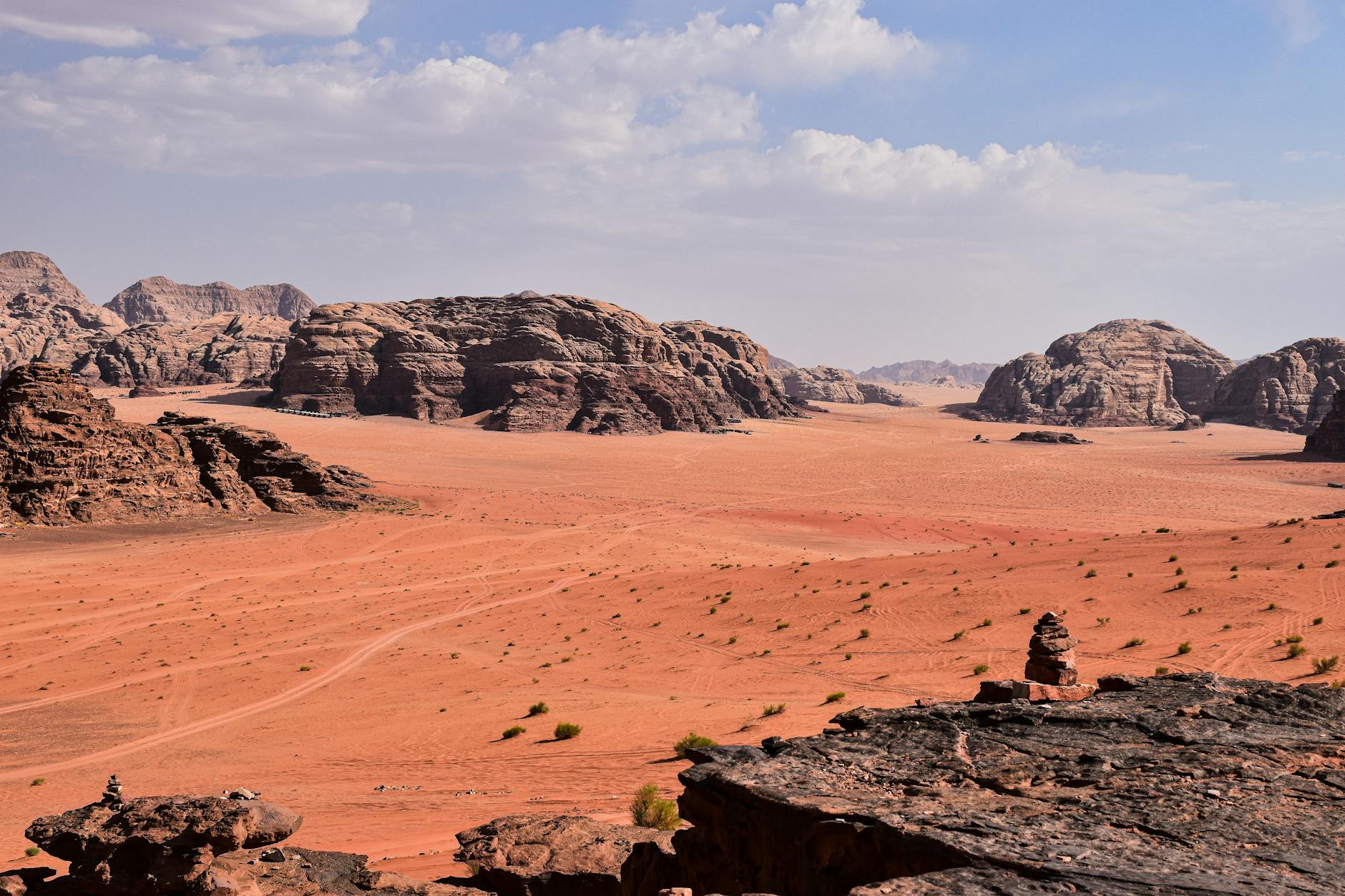
One of the standout features of Crimson Desert is its dynamic world-building. The game offers a variety of environments, from sprawling deserts to lush forests, each filled with unique quests and challenges. This diversity encourages exploration and keeps players engaged for hours on end. For instance, players may find themselves navigating treacherous sandstorms in the desert or uncovering hidden secrets in ancient ruins, each location offering its own set of challenges and rewards.
Bakaba also pointed out the importance of player agency in open-world games. In Crimson Desert, players can choose their paths, making decisions that significantly impact their journey. This level of freedom is crucial for creating a personalized gaming experience that resonates with individual players. The game allows players to forge alliances, betray characters, or even change the course of the story based on their choices, which adds layers of complexity to the gameplay.
The Unique Aspects of the Open World 🌍
Crimson Desert’s open world is designed to be both expansive and intricate. Bakaba noted that the developers have paid close attention to detail, ensuring that every corner of the world feels alive. From NPC interactions to environmental storytelling, players are constantly discovering new elements that enhance their adventure. For example, players might overhear conversations between NPCs that reveal backstory or lore, enriching the world-building experience.
The game’s quest design is another area where Crimson Desert shines. Unlike many open-world games that rely on repetitive tasks, this title offers a variety of quests that are deeply integrated into the world. Players can engage in side missions that feel just as important as the main storyline, creating a sense of purpose throughout their journey. For instance, a side quest might involve helping a village fend off bandits, which not only rewards players but also impacts the village’s prosperity and future quests.
Additionally, the visual aesthetics of Crimson Desert are stunning. The graphics are not only beautiful but also serve to immerse players in the game’s lore. Each location is crafted with care, making exploration rewarding and visually appealing. The attention to detail extends to the weather systems and day-night cycles, which further enhance the realism of the game. Players might find that certain quests are only available during specific times of day, encouraging them to plan their adventures strategically.
Quick Takeaways 📌
- Dinga Bakaba highlights the importance of storytelling in open worlds, emphasizing interconnected narratives.
- Player choices significantly affect gameplay and narrative, allowing for a personalized experience.
- The game’s quest variety enhances player engagement, making side missions feel significant.
- Stunning graphics and dynamic environments contribute to an immersive gaming experience.
- The attention to detail in world-building creates a living, breathing environment.
FAQ ❔
What makes Crimson Desert’s open world unique?
Crimson Desert stands out due to its dynamic environments, rich storytelling, and player agency, allowing for a personalized gaming experience. The interconnected narratives and attention to detail create a world that feels alive and responsive.
How has the game performed since its launch?
Since its release, Crimson Desert has sold over 4 million copies, showcasing its popularity and positive reception among players. This impressive sales figure highlights the game’s ability to resonate with a wide audience.
What role does player choice play in the game?
Player choice is central to Crimson Desert, as decisions made throughout the game significantly impact the storyline and gameplay experience, making each player’s journey unique. Players can influence the fate of characters and the world itself, adding depth to their interactions.
Are there any notable cultural influences in Crimson Desert?
Yes, Crimson Desert draws inspiration from various cultures, particularly from historical and mythical elements of the Middle East and Asia. This cultural richness is reflected in the game’s architecture, clothing, and storytelling, providing players with a diverse and immersive experience.
How does the game handle environmental storytelling?
Crimson Desert employs environmental storytelling through its detailed landscapes, NPC interactions, and hidden lore. Players can uncover stories by exploring the world, finding artifacts, and engaging with the environment, which adds layers to the overall narrative.
In summary, Dinga Bakaba’s insights into Crimson Desert highlight the innovative design choices that make this open-world game a standout in the industry. With its engaging storytelling, diverse environments, and emphasis on player agency, Crimson Desert is set to redefine what players expect from open-world experiences. As more gamers dive into this captivating world, it will be exciting to see how it continues to evolve and inspire future titles.