
China's Tea Future: Global Warming Could Transform Cultivation
Explore how climate change may enable tea cultivation across all of China by the end of the century. Discover why it matters for Gen-Z readers.
- BackZee
- 5 min read
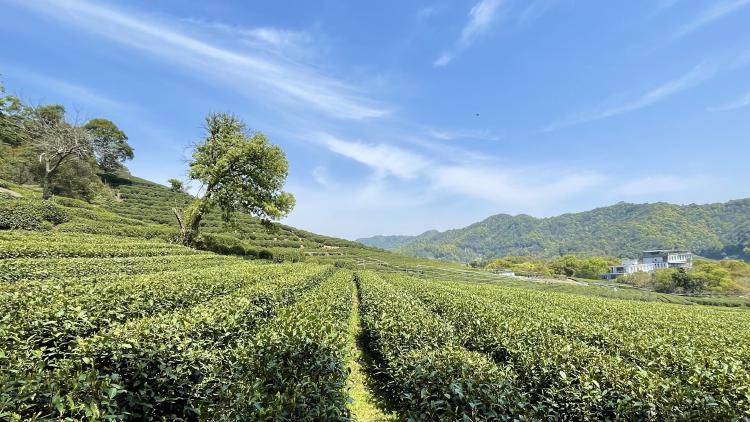
TL;DR 🚀
Make sure to check our deep dive on why this matters.
- Climate change may allow tea to be grown throughout China by 2100.
- Warmer temperatures could expand suitable tea-growing regions.
- This shift may impact global tea markets and local economies.
- New farming practices will be essential to maintain tea quality and sustainability.
- Regions like Shandong and Hebei could emerge as new tea-producing areas.
As we look toward the future, climate change is reshaping agriculture in unprecedented ways. A recent study suggests that by the end of the 21st century, China could see a dramatic expansion in tea cultivation, allowing this beloved beverage to be grown in regions previously unsuitable for it. This transformation could redefine not only the landscape of tea production but also the cultural significance of tea in Chinese society.
The Climate Shift 🌍
Global warming is not just a buzzword; it’s a reality that’s influencing agricultural practices worldwide. In China, the warming climate is expected to create new opportunities for tea farmers. Traditionally, tea has thrived in specific regions, particularly in the south, where the climate is ideal. However, as temperatures rise, areas that were once too cold for tea cultivation might become viable.
For instance, the average temperature in northern regions like Shandong has been rising steadily, with projections suggesting an increase of 2-3 degrees Celsius by 2100. This change could open up approximately 2 million hectares of land for tea cultivation, significantly increasing China’s tea production capacity.
This shift could lead to an increase in tea production, potentially transforming local economies. Farmers in northern regions may find themselves entering the tea market, which could diversify their crops and income sources. The implications for the global tea market are significant, as China is already one of the largest producers of tea in the world, accounting for over 40% of global tea production.
Economic Implications 📈
The potential for expanded tea cultivation in China raises several economic questions. Will this lead to a surplus in the global tea market? Increased production could lower prices, affecting farmers and businesses worldwide. Conversely, if new regions produce high-quality tea, it could elevate the overall standard of Chinese tea, making it even more competitive internationally.
Moreover, as tea becomes more accessible across China, local economies may benefit from increased tourism and trade. Regions that embrace tea cultivation could see a boost in local businesses, from tea shops to tourism related to tea culture. For example, the tea tourism industry in China has already seen growth, with over 20 million tourists visiting tea-producing regions annually. This could foster a deeper appreciation for tea and its cultural significance, encouraging sustainable practices among new growers.
Quick Takeaways 📌
- Climate change may expand tea cultivation areas in China.
- Economic impacts could reshape the global tea market.
- New regions may enhance local economies through tea production.
- Sustainable practices will be essential to maintain tea quality.
- Increased tourism related to tea culture could benefit local economies.
The Future of Tea Cultivation 🌱
As we contemplate the future, it’s essential to consider how sustainable practices will play a role in this transformation. With the potential for increased tea production, there’s a responsibility to ensure that these new farming practices do not harm the environment.
Farmers will need to adopt methods that protect the land while maximizing yield. Innovations in agricultural technology could help, allowing growers to monitor conditions and manage resources more efficiently. For example, precision agriculture techniques, such as soil moisture sensors and climate modeling, can help farmers optimize their water usage and reduce waste.
This balance between production and sustainability will be crucial as the tea industry evolves. The challenge lies in ensuring that the expansion of tea cultivation does not come at the expense of biodiversity or soil health. Educating farmers about sustainable practices and providing them with the necessary resources will be vital in this transition.
FAQ ❔
How will climate change affect tea quality?
As temperatures rise, the flavor profiles of tea may change. Warmer climates can influence the chemical makeup of tea leaves, potentially leading to new varieties and tastes. For instance, teas from higher elevations are known for their unique flavors, and as regions warm, these characteristics may shift.
What regions in China could benefit from this change?
Traditionally cooler areas in northern China, such as Shandong and Hebei, may become suitable for tea cultivation, expanding the geographic footprint of tea farming. These regions have the potential to produce unique tea varieties that could differentiate them in the market.
What are the broader implications for agriculture?
The shift in tea cultivation could serve as a model for other crops, demonstrating how climate adaptation can lead to new agricultural practices and economic opportunities in a warming world. As farmers adapt to changing conditions, they may discover innovative methods that can be applied to various crops, enhancing food security.
How can farmers ensure sustainable tea production?
Farmers can adopt practices such as organic farming, agroforestry, and integrated pest management to ensure sustainable tea production. These methods not only protect the environment but also enhance the quality of the tea produced, appealing to a growing market of environmentally conscious consumers.
In conclusion, the future of tea in China is poised for transformation, driven by climate change and the potential for new agricultural practices. As we navigate this evolving landscape, the interplay between sustainability and economic opportunity will be key to ensuring that tea remains a cherished part of Chinese culture and a staple in global markets. The journey ahead will require collaboration among farmers, researchers, and policymakers to create a resilient tea industry that honors its rich heritage while embracing the future.