
Cats Are Cheaper to Care for Than Dogs in Russia
A recent survey reveals that Russians spend less on cats than dogs, highlighting pet ownership trends. Discover why it matters for Gen-Z readers.
- BackZee
- 5 min read
TL;DR 🚀
Make sure to check our deep dive on why this matters.
- Russians spend less on cat care compared to dogs.
- A survey by Russian Standard Bank reveals monthly expenses.
- Pet ownership trends are shifting towards more budget-friendly options.
- Cats require less food, grooming, and healthcare than dogs.
- Urbanization and economic factors influence pet ownership choices.
Recent findings indicate that caring for cats in Russia is significantly more affordable than for dogs. A survey conducted by Russian Standard Bank, reported by TASS, highlights the financial differences in pet ownership, shedding light on the evolving landscape of companion animals in the country.
The Cost of Pet Ownership in Russia 🐾
According to the survey, the average monthly expense for cat owners is notably lower than that for dog owners. The survey revealed that cat owners spend approximately 3,500 rubles ($45) per month, while dog owners can expect to spend around 7,000 rubles ($90) or more. This trend is particularly interesting as it reflects a broader shift in pet ownership preferences. While dogs often require more resources, including food, grooming, and healthcare, cats tend to be more self-sufficient and less demanding in terms of upkeep.
Key factors contributing to the lower costs associated with cats include:
-
Dietary needs: Cats generally eat less than dogs, leading to reduced food expenses. For instance, a typical cat may consume around 200-300 grams of dry food daily, while a medium-sized dog might require 500 grams or more, depending on its breed and activity level.
-
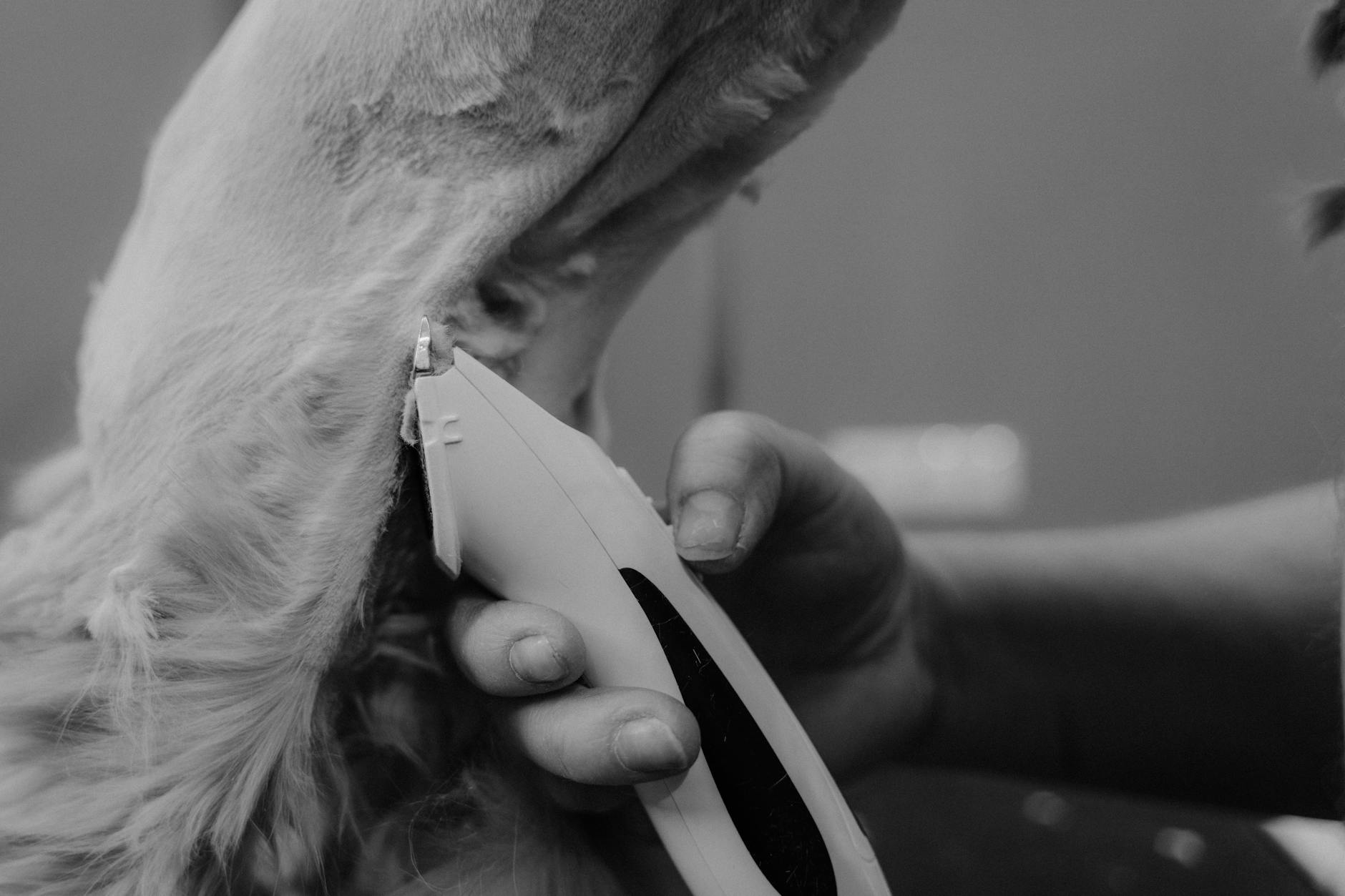
Grooming: Cats are often capable of grooming themselves, which can save on professional grooming services. In contrast, dogs, especially long-haired breeds, may require regular grooming sessions that can cost anywhere from 1,000 to 3,000 rubles ($13 to $40) per visit.
-
Healthcare: Routine veterinary care for cats can be less frequent and less costly than for dogs, especially larger breeds that may require more medical attention. The average annual veterinary expense for a cat is about 5,000 rubles ($65), while for a dog, it can easily exceed 10,000 rubles ($130).
This financial insight is crucial for potential pet owners who are weighing their options and considering the long-term costs associated with different types of pets.
Changing Trends in Pet Preferences 🐱
The survey results also suggest a shift in societal attitudes towards pet ownership. As economic conditions fluctuate, many Russians are opting for pets that are easier on the wallet. Cats, with their lower maintenance costs, are becoming increasingly popular among urban dwellers who may not have the time or resources for a more demanding dog.
Moreover, the rise of cat cafes and social media accounts dedicated to feline companions reflects this growing trend. These spaces not only provide a haven for cat lovers but also promote the idea that cats can be both loving companions and budget-friendly pets. In cities like Moscow and St. Petersburg, cat cafes have become social hubs where people can enjoy a cup of coffee while interacting with adoptable cats, further encouraging adoption and responsible pet ownership.
Culturally, cats have long been celebrated in Russian folklore and literature. From the famous character of the Cat in the Hat to the revered status of cats in Russian households, these animals hold a special place in the hearts of many. This cultural appreciation, combined with the practical benefits of cat ownership, is likely influencing the growing preference for cats over dogs.
Quick Takeaways 📌
- Cats require less food and grooming than dogs.
- Monthly expenses for cat care are significantly lower.
- Economic factors influence pet ownership choices in Russia.
- Cultural attitudes towards cats are evolving positively.
- Urbanization is driving the trend towards cat ownership.
FAQ ❔
Why are cats generally cheaper to care for than dogs?
Cats typically have lower dietary needs and require less grooming, leading to reduced monthly expenses. Their independent nature also means they often need fewer vet visits compared to dogs.
Are there any hidden costs associated with owning a cat?
While cats may have lower initial costs, potential hidden expenses can include litter, toys, and occasional vet visits. It’s essential to budget for these items to ensure a healthy and happy pet. Additionally, consider the costs of cat insurance, which can vary but is generally lower than dog insurance.
What factors should I consider when choosing between a cat and a dog?
Consider your lifestyle, living situation, and budget. Dogs often require more time and attention, while cats can be more independent, making them suitable for busy individuals or families. If you live in a small apartment, a cat might be a more practical choice, whereas families with children might prefer the companionship and playfulness of a dog.
How do pet ownership trends in Russia compare to other countries?
In many Western countries, dogs have traditionally been viewed as the more popular pet choice, often associated with companionship and loyalty. However, as urban living increases and economic pressures mount, similar trends towards cat ownership are being observed globally, with many people opting for pets that require less space and financial commitment.
In conclusion, the financial implications of pet ownership are becoming increasingly relevant for Russians. As the survey indicates, cats are emerging as the more economical choice for many, allowing pet lovers to enjoy companionship without breaking the bank. This trend not only reflects changing economic conditions but also highlights the evolving relationship between humans and their furry friends. As society continues to adapt, it will be fascinating to see how pet ownership dynamics evolve further in Russia and beyond.