
American Vets Perform Butterfly Wing Transplant for Recovery
American veterinarians successfully performed a wing transplant on a butterfly, showcasing innovative animal care techniques. Discover why it matters for Gen-Z
- BackZee
- 5 min read
TL;DR 🚀
Make sure to check our deep dive on why this matters.
- American vets performed a groundbreaking wing transplant on a butterfly.
- The procedure involved attaching a wing from a similar butterfly.
- This case highlights innovative approaches in veterinary medicine.
- The surgery raises ethical discussions about animal care and conservation.
- It emphasizes the importance of wildlife rehabilitation in preserving biodiversity.
In a remarkable display of veterinary innovation, American veterinarians have successfully conducted a wing transplant on a butterfly with a broken wing. This unique procedure not only showcases the skills of these animal care professionals but also emphasizes the potential for advanced techniques in wildlife rehabilitation. The case has garnered attention not just for its novelty but also for its implications in the broader context of conservation and animal welfare.
The Butterfly Rescue 🦋
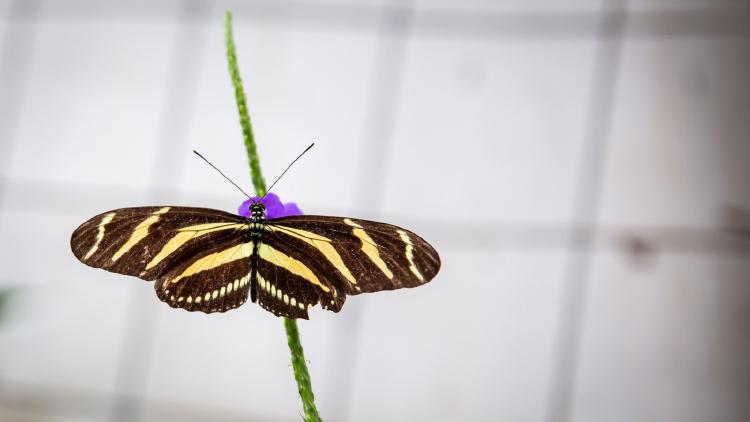
In a recent case, a butterfly was brought to a veterinary clinic after suffering a severe injury that left its wing damaged. The butterfly, a member of the Monarch species, is known for its striking orange and black patterns and plays a crucial role in pollination. The veterinarians, known for their expertise in treating various animals, decided to take an unconventional approach to help the delicate creature. They sourced a wing from a donor butterfly, which was of the same species, to perform the transplant.
The process was intricate, requiring precision and care. Veterinarians meticulously matched the size and shape of the donor wing to ensure compatibility. This innovative method not only aimed to restore the butterfly’s ability to fly but also to enhance its chances of survival in the wild. Monarch butterflies are particularly vulnerable due to habitat loss and climate change, making this intervention even more significant.
The Procedure Explained 🛠️
The surgical procedure involved several steps. First, the team carefully assessed the injured butterfly, determining the extent of the damage. After confirming the viability of a wing transplant, they proceeded with the surgery.
- Anesthesia: The butterfly was gently anesthetized to minimize stress during the operation. This step is crucial as it helps to stabilize the butterfly’s condition, allowing the veterinarians to work with precision.
- Wing Removal: The damaged wing was carefully removed, ensuring minimal trauma to the butterfly’s body. This required a steady hand and a deep understanding of the butterfly’s anatomy.
- Attachment: The donor wing was then skillfully attached, using specialized techniques to secure it in place. The veterinarians employed a biocompatible adhesive, which is often used in delicate surgeries, to ensure that the wing would remain attached without causing further harm.
This procedure is a testament to the advancements in veterinary science and the dedication of professionals who strive to save every life, no matter how small. The successful transplant not only restored the butterfly’s mobility but also sparked interest in further research on wildlife rehabilitation techniques. The operation has been documented in veterinary journals, paving the way for future studies in insect surgery.
Quick Takeaways 📌
- The butterfly underwent a complex surgical procedure.
- A donor wing was sourced from a similar species.
- The operation highlights the potential for advanced veterinary practices.
- The case has implications for conservation efforts and biodiversity.
- It raises ethical questions about the extent of human intervention in nature.
The Impact of Innovative Veterinary Care 🌍
This case is more than just a successful surgery; it represents a shift in how we view animal care. As conservation efforts continue to grow, the need for innovative solutions in wildlife rehabilitation becomes increasingly important. The butterfly’s recovery serves as a reminder of the delicate balance between nature and human intervention.
Moreover, this event has sparked conversations about the ethical implications of such procedures. While some may question the necessity of performing surgery on insects, others argue that every effort counts in preserving biodiversity. The butterfly’s story is a powerful example of how veterinary science can intersect with conservation efforts, ultimately benefiting the ecosystem.
Statistics reveal that Monarch populations have declined by over 80% in the last few decades due to habitat destruction and climate change. This highlights the urgency of innovative approaches in wildlife care. The butterfly’s successful recovery could inspire similar efforts for other endangered species, emphasizing the role of veterinarians in conservation.
FAQ ❔
How common are surgeries on insects like butterflies?
While not common, surgeries on insects are becoming more recognized as veterinarians explore innovative ways to help wildlife. This case is a pioneering example of such efforts. In fact, there have been a handful of documented cases where veterinarians have performed surgeries on various insect species, though they remain rare.
What are the challenges of performing surgery on small animals?
The primary challenges include the delicate nature of the animals, the precision required in surgery, and the need for specialized techniques to minimize stress and trauma during the procedure. Additionally, the small size of insects makes it difficult to use conventional surgical tools, necessitating the development of specialized instruments.
How can the public support wildlife rehabilitation efforts?
Individuals can support wildlife rehabilitation by donating to local wildlife organizations, volunteering, or spreading awareness about the importance of conservation and animal care. Engaging in community initiatives, such as habitat restoration projects, can also make a significant impact.
What ethical considerations arise from performing surgeries on insects?
The ethical considerations revolve around the necessity and impact of such interventions. While some argue that surgery on insects may be unnecessary, others contend that every effort to save a species contributes to the overall health of ecosystems. Balancing human intervention with natural processes remains a complex issue in conservation.
In conclusion, the butterfly wing transplant performed by American veterinarians not only highlights the incredible capabilities of modern veterinary medicine but also underscores the importance of compassion in animal care. As we continue to explore the boundaries of science and ethics, stories like this inspire us to think creatively about how we can protect and rehabilitate our planet’s diverse wildlife. The future of conservation may very well depend on such innovative approaches, reminding us that every life, no matter how small, is worth saving.