
Black Rain Hits Tuapse: Residents Face Environmental Crisis
Tuapse experiences alarming black rain due to chemical fallout from port fires. Local residents and volunteers are grappling with the aftermath.
- BackZee
- 5 min read
TL;DR 🚀
Make sure to check our deep dive on why this matters.
- Tuapse is experiencing “black rain” containing burnt chemical particles.
- The phenomenon is linked to recent fires at the local port.
- Residents and volunteers are facing significant challenges in the aftermath.
- Community solidarity is evident as residents organize clean-up efforts.
- Concerns about long-term health effects are growing among the population.
In mid-April 2026, the coastal city of Tuapse has been grappling with a disturbing environmental issue known as “black rain.” This phenomenon, which involves precipitation laden with harmful chemical particles, has emerged following a series of fires at the local maritime terminal. The situation has prompted local media to investigate the ongoing crisis and gather insights from affected residents and volunteers.
What is Black Rain? ☔
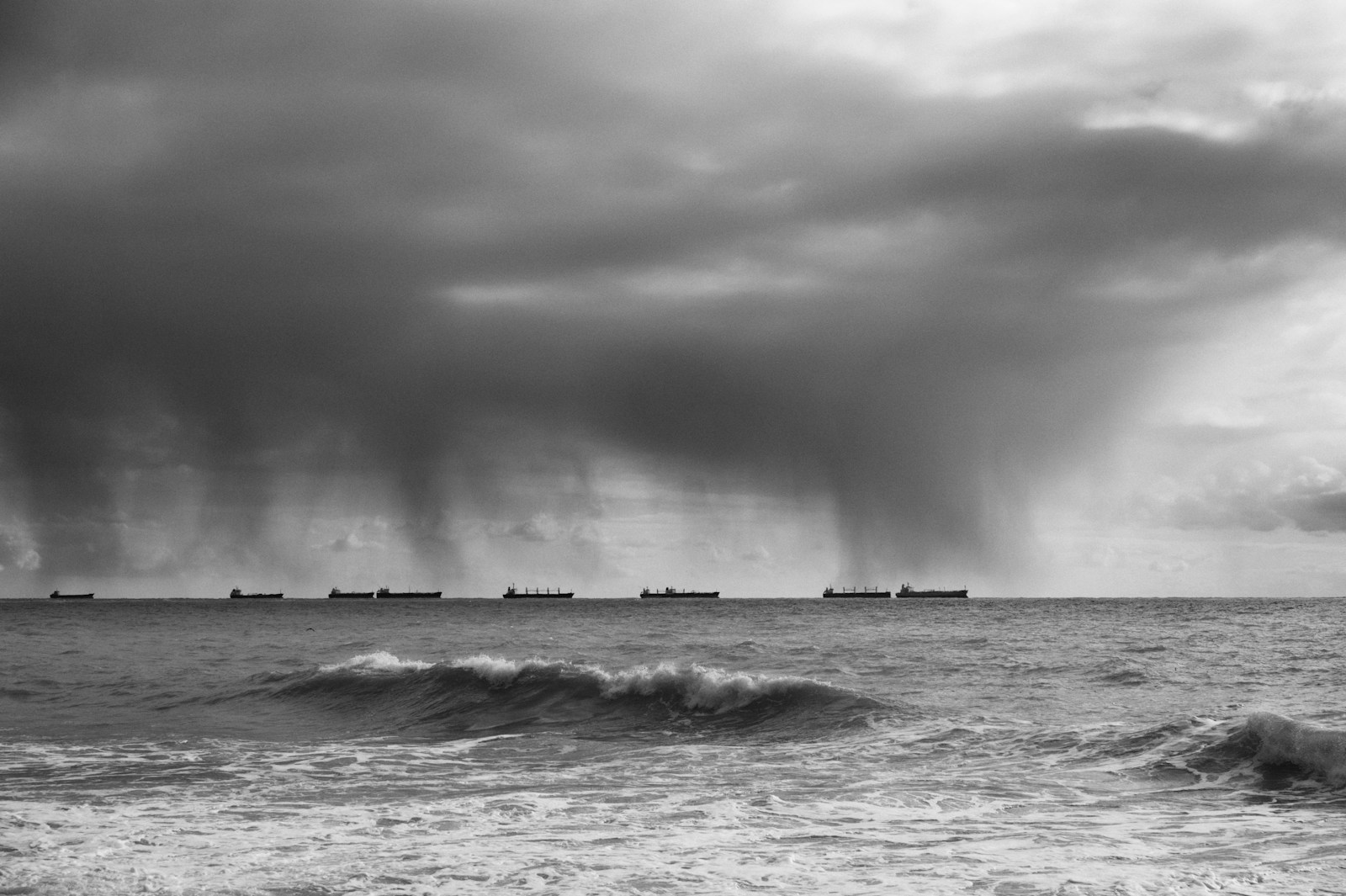
“Black rain” refers to a type of precipitation that contains a high concentration of burnt oil products. This unsettling weather pattern began after drone attacks targeted the local port on April 16 and 20, igniting significant fires. Since April 22, Tuapse has witnessed several instances of this unusual rainfall. Reports indicate that the aftermath of these rains has left behind black stains on surfaces, including vehicles, clothing, and even the fur of pets caught outdoors during the downpour.
The Operational Headquarters of the Krasnodar region has confirmed that the intense fires have released combustion products into the atmosphere, which then fell as rain on April 22, creating a black residue effect across the city. The local community is now left to deal with the consequences of this environmental crisis, raising concerns about health and safety.
The Science Behind Black Rain
The phenomenon of black rain is not entirely new; it has been documented in various parts of the world, often linked to industrial accidents or natural disasters. In Tuapse, the specific chemical composition of the black rain is still under investigation, but experts suggest that it likely contains polycyclic aromatic hydrocarbons (PAHs), which are known to be harmful to human health.
According to a study by the World Health Organization, exposure to PAHs can lead to respiratory issues, skin irritation, and even long-term effects such as cancer. The urgency of the situation is underscored by the fact that Tuapse is a densely populated area, with over 60,000 residents living within close proximity to the port.
Community Response and Challenges 💪
Local residents are expressing their fears and frustrations regarding the black rain and its implications. Many have reported unpleasant odors and visible residue on their properties. Volunteers have stepped up to assist those affected, providing support and resources to help clean up the mess left behind.
The situation has sparked a wave of community solidarity, with residents banding together to share information and strategies for dealing with the fallout. Some have even organized clean-up efforts to remove the hazardous residue from their homes and streets. Local schools have also joined the effort, with students participating in awareness campaigns and clean-up drives.
However, the ongoing uncertainty about the long-term effects of the black rain is weighing heavily on the minds of Tuapse’s citizens. Many are concerned about the potential for contaminated water supplies and the impact on local agriculture, as the region is known for its vineyards and agricultural production.
Economic Impact
The economic ramifications of the black rain are also a pressing concern. Tuapse’s economy relies heavily on tourism and fishing, both of which could be adversely affected by the environmental crisis. Local businesses are reporting a decline in customer footfall, as residents are hesitant to venture outdoors. The fishing industry, in particular, is facing scrutiny, as consumers worry about the safety of seafood harvested from potentially contaminated waters.
Quick Takeaways 📌
- Black rain in Tuapse is a result of chemical fallout from port fires.
- Local volunteers are actively helping residents cope with the aftermath.
- The community is concerned about potential health risks associated with the rain.
- Economic impacts are being felt across tourism and fishing sectors.
- Community solidarity is evident as residents organize clean-up efforts.
FAQ ❔
What caused the black rain in Tuapse?
The black rain is attributed to drone attacks on the local maritime terminal, which ignited fires that released harmful chemical particles into the atmosphere.
How are residents coping with the situation?
Residents are forming community groups to share information and resources. Volunteers are assisting with clean-up efforts and providing support to those most affected.
What are the potential health risks of black rain?
While specific health risks are still being assessed, the presence of burnt chemical particles raises concerns about respiratory issues and skin irritation among residents exposed to the rain. Long-term exposure could lead to more serious health conditions, including cancer.
What steps are being taken to address the crisis?
Local authorities are working with environmental agencies to assess the situation and provide guidance to residents. Clean-up efforts are underway, and community organizations are mobilizing to support affected families.
How can I help the residents of Tuapse?
Individuals interested in helping can donate to local charities involved in clean-up efforts or volunteer their time to assist with community initiatives. Spreading awareness about the situation can also help garner support from outside the region.
As the situation in Tuapse continues to unfold, the resilience of the community shines through. The challenges posed by the black rain are significant, but the collective effort to address the crisis demonstrates the strength and solidarity of the people in this coastal city.