
Archaeologists Uncover 1,700-Year-Old Roman Sarcophagus in Budapest
A well-preserved Roman sarcophagus dating back 1,700 years has been found in Budapest, revealing insights into ancient history. Discover why it matters for Gen-
- BackZee
- 5 min read
TL;DR 🚀
- A 1,700-year-old Roman sarcophagus was discovered in Budapest.
- The find was made by archaeologists from the Budapest Historical Museum.
- This discovery offers a glimpse into ancient Roman burial practices.
- The sarcophagus is in remarkable condition, indicating its historical significance.
- Ongoing studies will provide deeper insights into the lives of those buried within.
A remarkable archaeological find has emerged from Budapest, where a well-preserved Roman sarcophagus dating back 1,700 years was uncovered. This significant discovery, reported by the Associated Press, sheds light on the ancient history of the region and highlights the ongoing efforts of archaeologists to explore the past.
Unearthing History in Budapest 🏺
The sarcophagus was found in the Obuda district, located in the northern part of the Hungarian capital. This area is known for its rich historical significance, making it an ideal site for archaeological exploration. The Budapest Historical Museum’s team of archaeologists has been diligently working in this region, and their efforts have finally paid off with this incredible find.
Obuda, once part of the Roman settlement known as Aquincum, was a bustling hub during the Roman Empire. It served as the capital of the province of Pannonia and was strategically located along the Danube River, facilitating trade and cultural exchange. The discovery of the sarcophagus not only adds to the historical narrative of the region but also emphasizes the importance of Obuda as a center of Roman life.
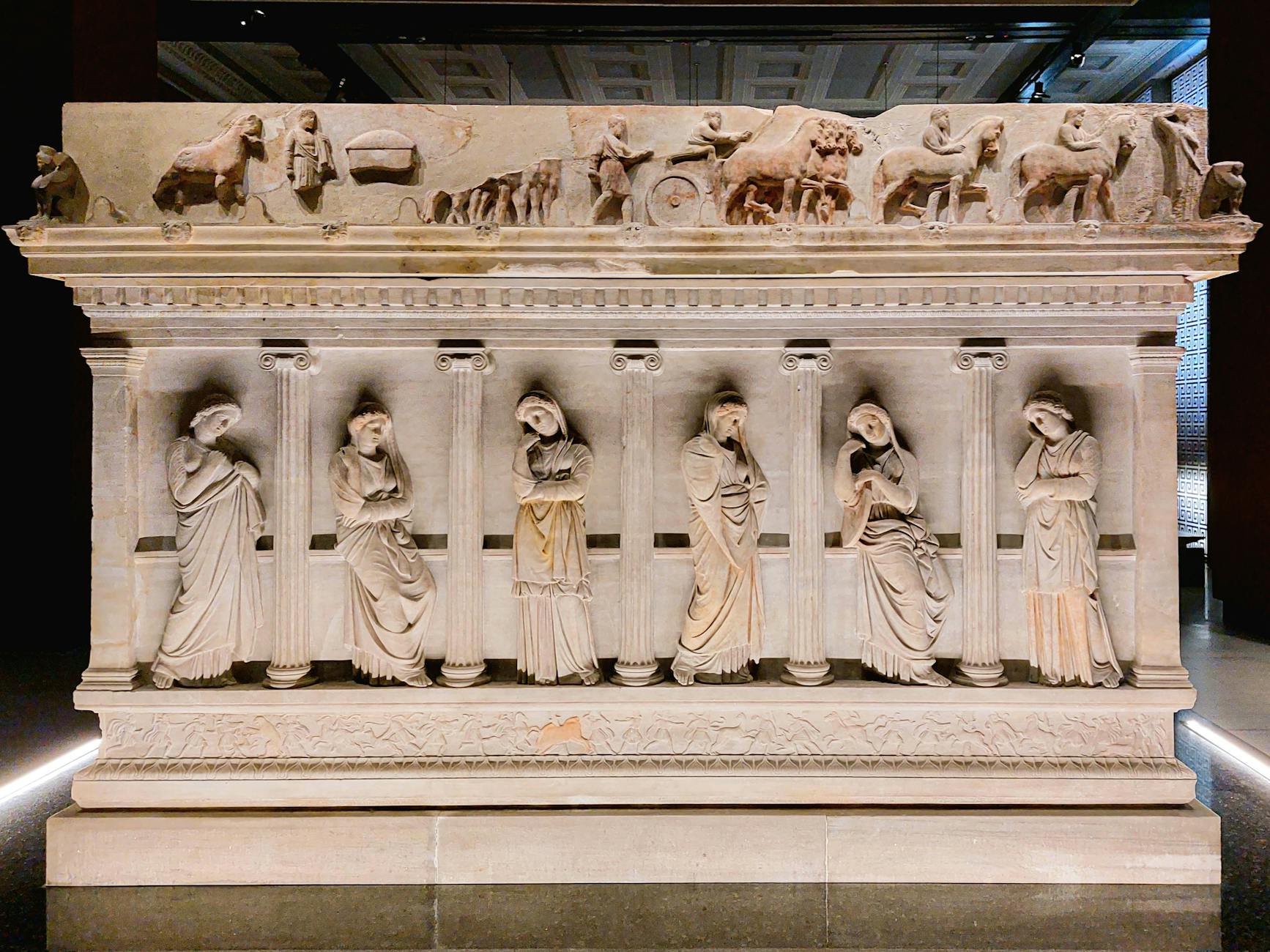
The sarcophagus itself is notable for its remarkable condition, suggesting that it has remained largely untouched since its burial. Such discoveries are rare, and they provide invaluable insights into the burial customs of the Romans. The intricate designs and craftsmanship of the sarcophagus may reveal much about the social status and beliefs of those who lived during that era.
The Artistry of Roman Sarcophagi
Roman sarcophagi were often adorned with elaborate carvings and inscriptions that reflected the deceased’s life and status. For instance, many featured mythological scenes, portraits, or symbols that conveyed messages about the afterlife. The craftsmanship involved in creating these structures was highly skilled, often involving artisans who specialized in stone carving.
In this particular case, the sarcophagus may include motifs that are characteristic of the late Roman period, such as depictions of gods or heroic figures. These artistic elements not only served aesthetic purposes but also played a role in the beliefs surrounding death and the afterlife in Roman culture.
Insights into Roman Burial Practices ⚰️
This discovery not only enriches our understanding of Roman history but also raises questions about the individuals who were laid to rest in such elaborate structures. The design and materials used in the sarcophagus can offer clues about the deceased’s identity and their place within society.
For example, the use of specific types of stone, such as marble or limestone, could indicate wealth and status. Additionally, the presence of grave goods—items buried alongside the deceased—can provide further context about their life and the customs of the time.
Archaeologists often analyze the artifacts found alongside such structures to piece together the lives of those buried within. For more on how artifacts contribute to our understanding of history, check out our post on the significance of archaeological finds.
Cultural Insights and Broader Implications
The discovery of the sarcophagus also invites a broader discussion about the cultural practices of the Romans in Hungary. The Roman Empire was known for its diverse and syncretic culture, which blended local traditions with those of the Romans. This is evident in the burial practices, where local customs may have influenced Roman methods.
For instance, some regions adopted the Roman practice of cremation, while others continued to bury their dead in accordance with local traditions. The coexistence of these practices highlights the dynamic nature of cultural exchange during the Roman Empire.
Quick Takeaways 📌
- The sarcophagus is a rare find, indicating the burial practices of the Roman era.
- Its preservation allows for detailed study of ancient craftsmanship.
- The discovery contributes to the broader narrative of Budapest’s historical landscape.
- The artistry of Roman sarcophagi reflects the social status and beliefs of the deceased.
- Ongoing research will further illuminate the lives of those buried within.
FAQ ❔
What is the significance of the Roman sarcophagus?
The sarcophagus provides insights into Roman burial customs and the social status of individuals during that time. Its preservation allows for detailed analysis of ancient craftsmanship, which can inform us about the cultural and historical context of the era.
Where was the sarcophagus found?
It was discovered in the Obuda district of Budapest, an area rich in historical significance and archaeological potential, once part of the Roman settlement of Aquincum.
How do archaeologists study such finds?
Archaeologists analyze the materials, designs, and any artifacts found alongside the sarcophagus to understand the cultural and historical context of the burial practices. They also employ techniques such as radiocarbon dating and stratigraphic analysis to gather more information.
What can we learn from the artifacts found with the sarcophagus?
Artifacts can provide insights into the daily life, beliefs, and social structures of the time. They may include personal items, tools, or offerings that were significant to the deceased, helping to paint a fuller picture of their existence.
The discovery of this Roman sarcophagus in Budapest is a testament to the enduring legacy of ancient civilizations. As archaeologists continue to unearth treasures from the past, we gain a deeper appreciation for the complexities of human history and the stories that lie beneath our feet. The ongoing exploration in areas like Obuda not only enriches our knowledge but also connects us to the lives of those who walked the earth centuries ago.