
Another Museum Heist Strikes France Just Hours After Louvre Robbery
A second museum theft in France occurs just hours after the Louvre heist, raising concerns about security in cultural institutions. Discover why it matters for
- BackZee
- 5 min read
TL;DR 🚀
Make sure to check our deep dive on why this matters.
- A second museum theft happened in France shortly after the Louvre incident.
- The recent heist raises alarms about security in cultural institutions.
- Authorities are investigating connections between the two robberies.
- Museums are re-evaluating security measures and considering advanced technologies.
- The art community is calling for increased vigilance and cooperation.
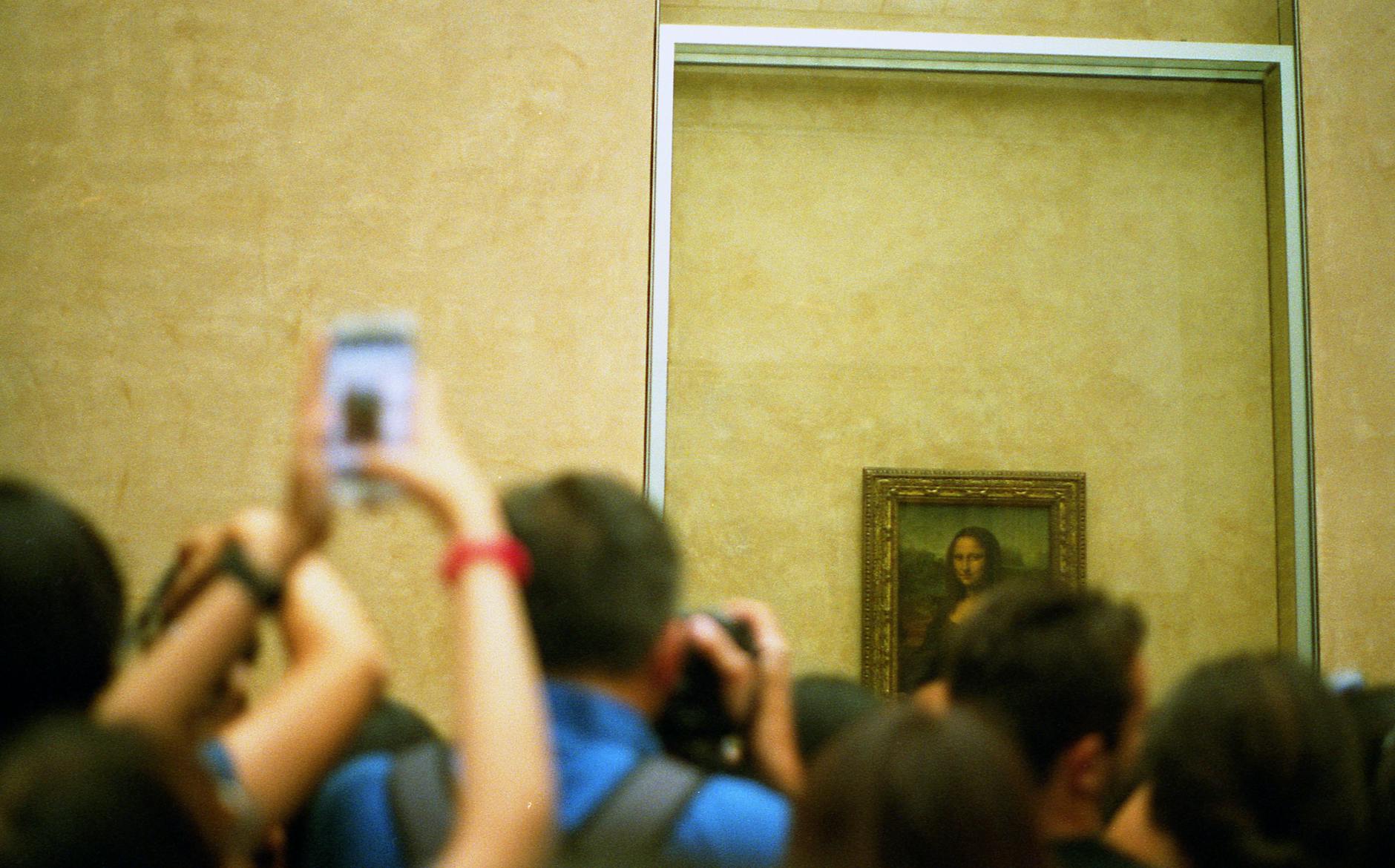
In a shocking turn of events, France has witnessed yet another museum theft just hours after the infamous Louvre robbery. This alarming trend highlights the vulnerabilities of cultural institutions and raises questions about the effectiveness of security measures in place. The Louvre, known for housing iconic works such as the Mona Lisa and the Venus de Milo, has now become a focal point for discussions surrounding art crime and museum security.
The Louvre Heist Unfolds 🎨
The day began with the stunning news of a brazen robbery at the Louvre, one of the world’s most renowned art museums. Thieves managed to bypass security systems and make off with several priceless artifacts, including rare sculptures and historical pieces that date back centuries. The audacity of this crime sent shockwaves through the art community and the general public alike, with many expressing disbelief that such a high-profile institution could be so easily compromised.
Just as the dust began to settle from the Louvre incident, reports emerged of a second theft occurring at a nearby museum, the Musée d’Orsay. This rapid succession of events has left many wondering if the two incidents are connected. Authorities are now investigating potential links between the two robberies, as the timing seems too coincidental to ignore. The Musée d’Orsay, famous for its collection of Impressionist masterpieces, has also been a target of theft in the past, raising concerns about a possible resurgence in organized art crime.
Security measures at cultural institutions are under scrutiny following these events. Many experts are calling for a review of protocols to ensure that such high-profile thefts do not happen again. According to a report by the International Council of Museums, art theft has been on the rise globally, with an estimated $6 billion worth of art stolen each year. The art world is on high alert, and the implications of these thefts could be far-reaching, not only for the museums involved but for the entire cultural heritage landscape.
The Impact on Cultural Institutions 🏛️
The recent heists have sparked a broader conversation about the safety of cultural heritage. Museums are not just places to display art; they are custodians of history and culture. The theft of valuable pieces not only robs the public of access to these treasures but also poses a risk to the preservation of cultural identity. For instance, the loss of a historical artifact can erase a part of a community’s heritage, leaving gaps in the narrative of history.
In light of these events, many museums are re-evaluating their security strategies. Some institutions are considering investing in advanced surveillance technologies, such as facial recognition systems and motion sensors, while others are exploring collaborations with law enforcement to enhance their protective measures. The goal is clear: to safeguard invaluable artifacts from the hands of criminals. A notable example is the British Museum, which has recently implemented a multi-layered security approach that includes both physical barriers and digital monitoring systems.
The art community is rallying together, emphasizing the need for increased vigilance and cooperation among museums. This incident serves as a wake-up call, reminding everyone of the importance of protecting cultural heritage. Initiatives such as the Art Loss Register, which helps track stolen art, are gaining traction as institutions seek to bolster their defenses against theft. Moreover, educational programs aimed at raising awareness about art crime are being developed to inform museum staff and the public about the risks and preventive measures.
Quick Takeaways 📌
- The Louvre robbery has raised significant concerns about museum security.
- Authorities are investigating possible connections between the two thefts.
- Museums may need to adopt new technologies and strategies for protection.
- The rise in art theft globally highlights the urgency for improved security measures.
- Collaborative efforts among institutions can enhance the protection of cultural heritage.
FAQ ❔
What happened during the Louvre robbery?
Thieves successfully broke into the Louvre and stole several priceless artifacts, including rare sculptures and historical pieces. The incident raised alarms about security measures in place at one of the world’s most famous museums, prompting calls for a thorough review of existing protocols.
Are the two museum thefts connected?
Authorities are currently investigating potential links between the Louvre robbery and the subsequent theft at the Musée d’Orsay, as the timing of the incidents is highly suspicious. The possibility of organized crime targeting multiple institutions has raised concerns among security experts.
What measures are being taken to improve museum security?
In response to these thefts, many museums are considering enhanced surveillance technologies, such as facial recognition and motion detection systems. Increased collaboration with law enforcement and the implementation of comprehensive security reviews are also being prioritized to better protect their collections from future robberies.
As the investigation unfolds, the art world remains on edge, hoping for swift justice and a renewed commitment to safeguarding cultural treasures. The recent events serve as a stark reminder of the ongoing challenges faced by museums in protecting their invaluable collections, and the need for a collective response to ensure the preservation of our shared cultural heritage.