
Ancient Skeletons Reveal Pregnancy Insights Through Bones
Archaeologists have developed methods to determine pregnancy in ancient skeletons using bone analysis. Discover why it matters for Gen-Z readers.
- BackZee
- 5 min read
TL;DR 🚀
Make sure to check our deep dive on why this matters.
- Researchers can now identify pregnancy in ancient skeletons.
- New techniques analyze bone structure for signs of gestation.
- This discovery sheds light on the lives of ancient women.
- Understanding maternal health in ancient societies is crucial for historical context.
- The findings have potential implications for modern reproductive health studies.
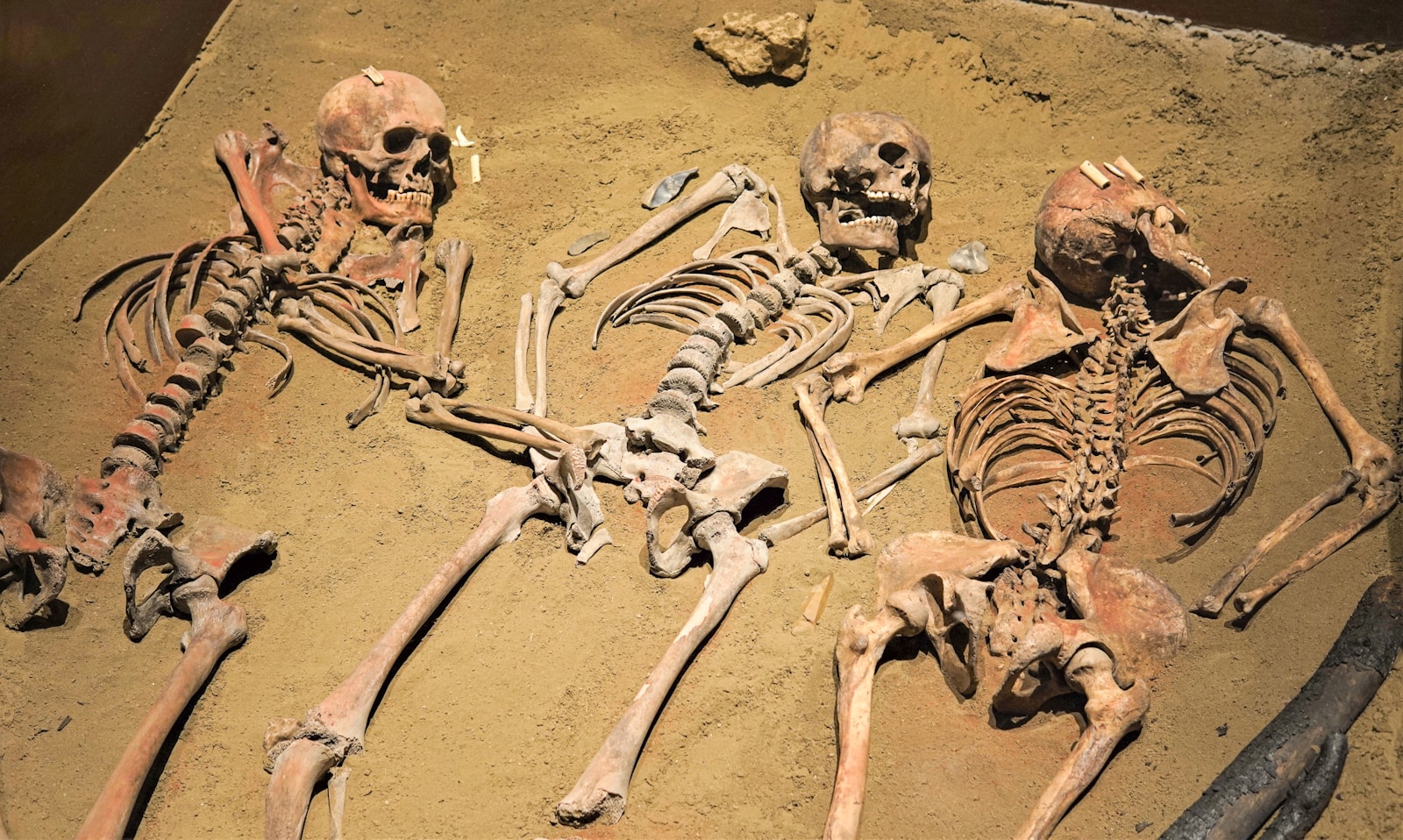
In a groundbreaking development, archaeologists have discovered a method to determine whether ancient skeletons belonged to pregnant women by examining their bones. This innovative approach not only enhances our understanding of historical maternal health but also provides a glimpse into the lives of women from centuries past. The ability to glean insights from skeletal remains is a testament to the intersection of science and history, revealing narratives that have long been buried beneath the earth.
Unveiling the Past 🕵️♀️
The ability to identify pregnancy in ancient remains is a significant leap for archaeologists. Traditionally, determining whether a skeleton belonged to a pregnant individual was nearly impossible. However, recent advancements in bone analysis techniques have changed the game. Researchers are now able to spot specific morphological changes in the pelvic bones that indicate pregnancy.
This method involves examining the pubic symphysis and other pelvic features that undergo distinct alterations during gestation. For instance, during pregnancy, the pubic symphysis can exhibit a widening and changes in the bone density, which can be detected through careful analysis. By studying these changes, scientists can accurately ascertain whether a skeleton shows signs of having carried a child. This breakthrough not only aids in understanding the biological aspects of ancient pregnancies but also opens doors to exploring the social and cultural contexts surrounding motherhood in ancient societies.
Cultural Context of Motherhood
In many ancient cultures, motherhood was revered and often linked to the survival of the community. For example, in ancient Egypt, fertility was celebrated, and goddesses like Isis were worshipped as symbols of motherhood and rebirth. The ability to identify pregnant women in archaeological contexts can help historians understand how these cultural beliefs influenced women’s roles in society.
In contrast, in some ancient societies, such as the Romans, women’s status could be heavily influenced by their reproductive capabilities. By identifying pregnant skeletons, researchers can begin to piece together how often women were expected to bear children and the societal pressures they faced. This research can reveal the complexities of women’s lives, including their health, social status, and the expectations placed upon them.
The Significance of the Findings 📜
The implications of this research are profound. By identifying pregnant individuals in archaeological sites, researchers can gain insights into maternal health, childbirth practices, and even the status of women in various cultures. For instance, understanding how often women became pregnant and the conditions they faced can help historians piece together the social dynamics of ancient communities.
Moreover, this research can contribute to a broader understanding of population demographics and health trends in ancient civilizations. It raises questions about the mortality rates of mothers and infants, the availability of resources, and the overall quality of life during different historical periods. For example, studies have shown that in some ancient populations, maternal mortality rates could be as high as 30%, indicating significant health risks associated with childbirth.
A Case Study: The Neolithic Era
In the Neolithic era, as societies transitioned from nomadic lifestyles to settled agricultural communities, the role of women and their reproductive health became increasingly important. By analyzing skeletal remains from this period, researchers can uncover patterns in childbirth and maternal care, shedding light on how these changes impacted women’s health and societal roles.
The Future of Archaeological Research 🔍
As this research progresses, it may lead to further discoveries about the lives of women in ancient societies. The ability to identify pregnant skeletons could encourage more targeted excavations and studies, allowing archaeologists to uncover more about maternal experiences throughout history.
Additionally, the techniques developed could be applied to other areas of research, such as studying the effects of environmental changes on reproductive health in ancient populations. This could provide valuable insights into how ancient communities adapted to their surroundings and the challenges they faced. For example, understanding how climate fluctuations impacted food availability could help explain variations in maternal health and pregnancy outcomes in different regions.
FAQ ❔
How do archaeologists determine pregnancy in ancient skeletons?
Archaeologists analyze the pelvic bones, particularly the pubic symphysis, for morphological changes that indicate pregnancy. These changes can include alterations in shape and density, which are linked to the physiological demands of gestation.
Why is this research important?
This research sheds light on the lives of ancient women, their health, and the cultural significance of motherhood in historical societies. It helps historians understand the social dynamics of ancient communities and the roles women played within them.
What other applications could these techniques have?
These methods could be used to study maternal health trends, population demographics, and the effects of environmental changes on reproductive health in ancient populations. Additionally, insights gained from ancient practices could inform modern reproductive health studies.
How does this research impact our understanding of ancient cultures?
By identifying pregnant skeletons, researchers can better understand the societal expectations placed on women, the health risks they faced, and the cultural significance of motherhood. This can lead to a more nuanced view of ancient societies and their values.
In conclusion, the ability to identify pregnancy in ancient skeletons marks a significant advancement in archaeological research. As we continue to explore the past, these discoveries will undoubtedly enrich our understanding of human history and the experiences of women throughout time. The intersection of archaeology and maternal health not only deepens our appreciation of ancient cultures but also highlights the enduring importance of women’s health across the ages.