
Ancient Coin Used for Bus Fare in 1950s England Now in Museum
A 2000-year-old coin used for bus fare in 1950s England is now displayed in a Leeds museum, revealing a fascinating historical connection. Discover why it matte
- BackZee
- 5 min read
TL;DR 🚀
Make sure to check our deep dive on why this matters.
- A 2000-year-old coin was used for bus fare in 1950s England.
- The coin, of Phoenician origin, has now been donated to a museum.
- This discovery highlights the intriguing intersection of history and everyday life.
- The coin serves as a reminder of the interconnectedness of ancient and modern economies.
- The Leeds Museums and Galleries aims to educate visitors about the significance of this artifact.
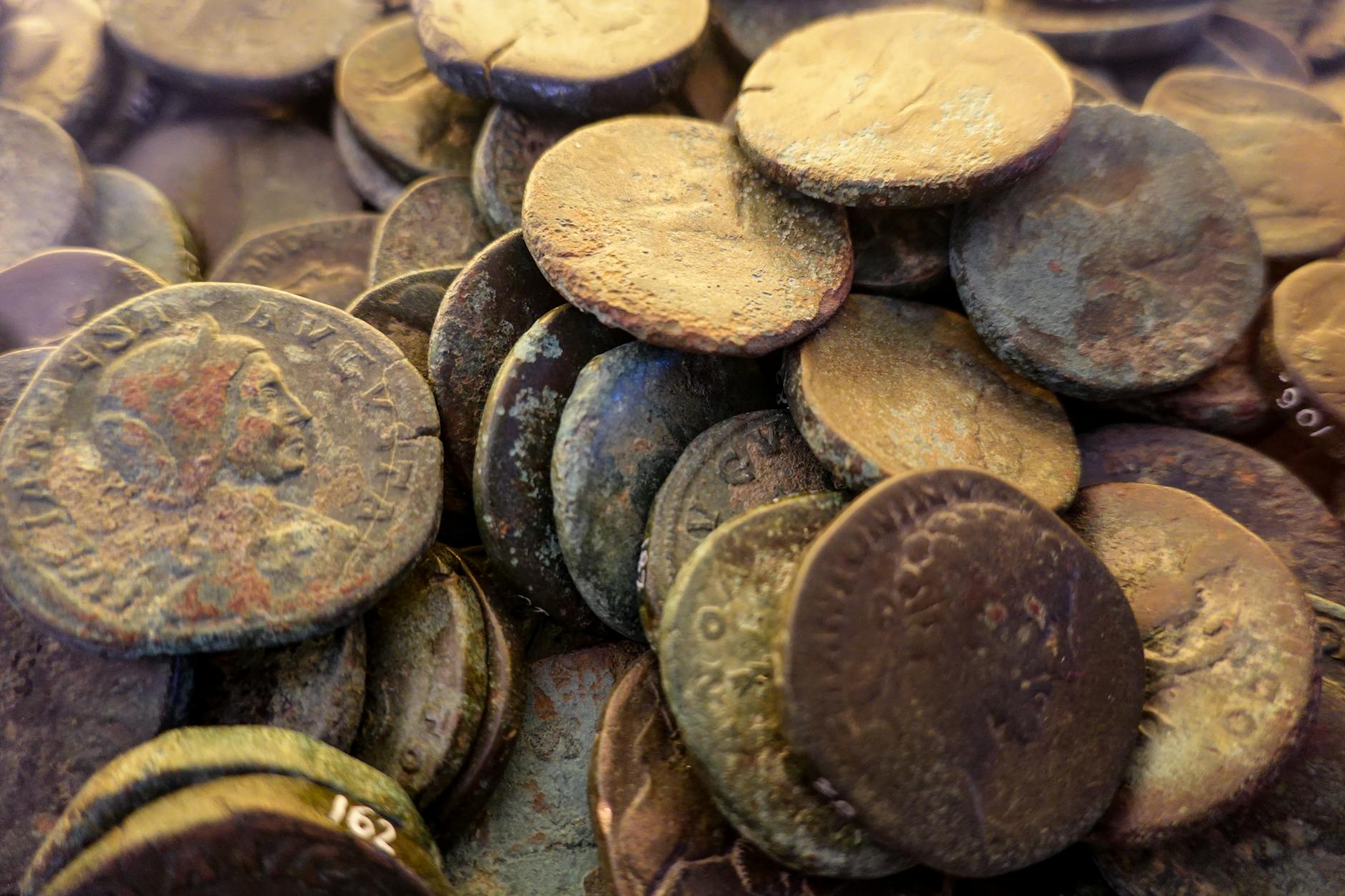
In a quirky twist of fate, a 2000-year-old coin once used to pay for bus fare in 1950s England has made its way into a museum. This fascinating artifact, originating from the Phoenician era, showcases how history can unexpectedly intersect with modern life, providing a tangible link to our past.
A Journey Through Time ⏳
The story begins in the bustling streets of 1950s England, a time when public transport was a lifeline for many. An unidentified individual decided to use a rare ancient coin as payment for a bus fare, a choice that raised eyebrows and sparked curiosity among those who learned of the incident. The coin, which dates back to the time of the Phoenicians, is not just a piece of currency; it’s a window into the past.
The Phoenicians, an ancient civilization known for their maritime trade and cultural exchanges, produced coins that circulated across the Mediterranean. This particular coin, believed to be a shekel, was likely minted in the city of Tyre, a major Phoenician trading hub. After decades of being tucked away in a drawer or perhaps lost in the shuffle of everyday life, the coin has now been handed over to the Leeds Museums and Galleries. This donation not only preserves the coin but also allows the public to appreciate its historical significance.
The museum aims to educate visitors about the coin’s origins and the story behind its use in a modern context, emphasizing how artifacts can bridge the gap between ancient and contemporary societies.
The Coin’s Historical Significance 🏺
The ancient coin, believed to be of Phoenician origin, is a testament to the rich history of trade and commerce in ancient civilizations. The Phoenicians were renowned for their seafaring and trading prowess, and their coins often traveled far beyond their homeland. This particular coin serves as a reminder of how interconnected the ancient world was, even influencing daily life in contemporary England.
In the 1950s, the value of money was perceived differently than it is today. A bus fare might have been a few pence, yet the decision to use such a valuable item for a simple fare raises questions about the value of currency and how it has evolved over time. In today’s world, coins are often seen as mere pocket change, but this incident highlights a time when even a small piece of currency could carry immense historical weight.
The Cultural Context of Currency
Throughout history, currency has served not only as a medium of exchange but also as a reflection of cultural values and societal norms. In ancient times, coins were often inscribed with images of deities, rulers, or significant events, symbolizing the power and influence of those who minted them. The Phoenician coin in question likely bore such imagery, linking its value to the cultural heritage of its time.
In contrast, the 1950s in England was a period marked by post-war recovery and modernization. The use of an ancient coin for bus fare may seem absurd today, but it illustrates a fascinating cultural moment where the past and present collided. It invites us to ponder the stories that everyday objects can tell and how they shape our understanding of history.
Quick Takeaways 📌
- The coin is a Phoenician artifact, showcasing ancient trade and cultural exchange.
- It reflects the historical context of currency usage and its evolution over time.
- The Leeds museum aims to educate the public about its significance and the broader implications of such artifacts.
- The story highlights the unexpected ways history can surface in modern life, prompting curiosity and reflection.
FAQ ❔
What type of coin was used for the bus fare?
The coin is a Phoenician artifact that dates back 2000 years, highlighting the ancient civilization’s influence on trade and commerce.
How did the coin end up in a museum?
After being used for bus fare in the 1950s, the coin was eventually donated to the Leeds Museums and Galleries, where it can now be appreciated by the public.
Why is this story significant?
This story underscores the fascinating connections between history and modern life, illustrating how ancient artifacts can surface in unexpected ways and provoke curiosity about our past. It serves as a reminder that history is not just confined to textbooks but can emerge in our daily experiences.
What can we learn from this incident?
The incident encourages us to consider the value of historical artifacts in our lives. It prompts us to reflect on how we perceive currency and the stories that objects carry through time. It also highlights the importance of preserving history for future generations, ensuring that such intriguing narratives continue to inspire curiosity.
The journey of this ancient coin from a bus fare to a museum exhibit is a captivating narrative that invites us to reflect on the value of history in our everyday lives. It’s a reminder that even the most mundane moments can be intertwined with the rich tapestry of human civilization, urging us to explore the connections that bind us to our past.