
Pepsi Pulls Sponsorship from Wireless Festival Over Kanye West Cont...
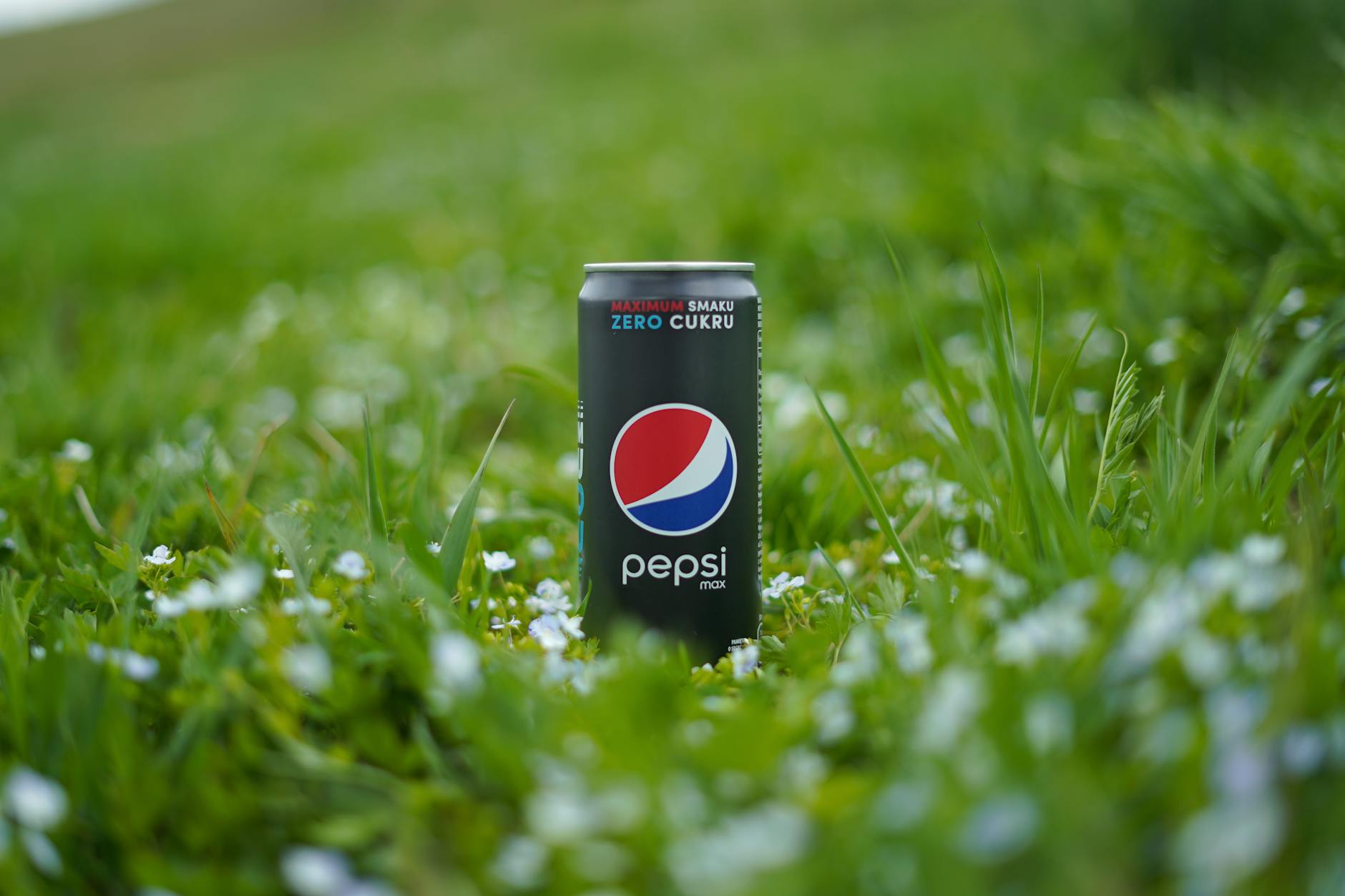
Pepsi has decided to end its sponsorship of the Wireless Festival due to controversies surrounding Kanye West. Find out more about this decision.
- BackZee
- 5 min read
TL;DR 🚀
Make sure to check our deep dive on why this matters.
- Pepsi has withdrawn its sponsorship from the Wireless Festival.
- The decision is linked to ongoing controversies surrounding Kanye West.
- This move raises questions about brand associations and public perception.
- The Wireless Festival may face financial challenges due to the loss of sponsorship.
- Brands are increasingly cautious about their public affiliations with controversial figures.
In a surprising turn of events, Pepsi has announced that it will no longer sponsor the Wireless Festival, a popular music event in the UK. The decision comes amid rising tensions and controversies surrounding rapper Kanye West, who has been a focal point of public scrutiny. This development highlights the intricate relationship between brands and the artists they choose to associate with.
The Impact of Celebrity Controversies 🎤
Pepsi’s decision to step back from the Wireless Festival is a significant move in the realm of brand partnerships. Celebrity controversies can have a profound impact on a brand’s image, and companies often reevaluate their affiliations in light of public sentiment. In this case, Kanye West’s recent actions and statements have sparked widespread debate, prompting Pepsi to reconsider its sponsorship.
Kanye West, known for his boundary-pushing music and outspoken personality, has been embroiled in various controversies over the years, ranging from his comments on race and politics to his unpredictable behavior during public appearances. For instance, his remarks about slavery being a choice and his support for controversial political figures have polarized fans and critics alike. This history of contentious statements has led brands to tread carefully when associating with him.
The Wireless Festival, known for showcasing top-tier musical talent, has now found itself at the center of a brand controversy. Sponsorships are crucial for festivals, providing essential funding and marketing support. By withdrawing, Pepsi not only distances itself from the controversy but also sends a message about the importance of aligning with artists whose values resonate with their brand.
The Financial Implications
The loss of Pepsi as a sponsor could have significant financial implications for the Wireless Festival. Sponsorship deals often account for a substantial portion of a festival’s budget, covering everything from artist fees to venue costs. According to industry reports, major festivals can generate millions in revenue from sponsorships alone, making Pepsi’s withdrawal a potentially devastating blow.
Moreover, the festival’s reputation may suffer as well. Attendees often associate festivals with their sponsors, and a high-profile withdrawal can lead to a perception of instability or controversy surrounding the event. This could deter other potential sponsors from stepping in, further complicating the festival’s financial landscape.
The Bigger Picture 🌍
This isn’t the first time a brand has faced backlash due to its association with a controversial figure. Companies often find themselves walking a tightrope when it comes to celebrity endorsements. As public opinion shifts, brands must be agile in their responses to maintain their reputation. For more insights on brand management and celebrity influence, check out our post on /posts/celebrity-influence-on-brands.
Historical Context
Historically, brands have pulled sponsorships in response to controversies involving their ambassadors. For example, in 2017, several companies distanced themselves from comedian Kevin Hart after his past homophobic tweets resurfaced, leading to a significant backlash. Similarly, in 2020, brands like Nike and Adidas faced scrutiny for their associations with athletes who had made controversial statements. These instances highlight a growing trend where brands prioritize their public image over potentially lucrative partnerships.
Cultural Insights
The cultural landscape surrounding celebrity endorsements is evolving. In an age where social media amplifies voices and opinions, brands must navigate a complex web of public sentiment. Consumers are increasingly vocal about their values, and they expect brands to reflect those values in their partnerships. This shift is particularly pronounced among younger demographics, who prioritize authenticity and social responsibility in their purchasing decisions.
Quick Takeaways 📌
- Pepsi’s withdrawal reflects the growing importance of brand reputation.
- The Wireless Festival may face financial implications due to the loss of sponsorship.
- Companies are increasingly cautious about their public affiliations.
- The cultural landscape around celebrity endorsements is evolving, with consumers demanding more accountability from brands.
- Historical precedents show that brands often sever ties with controversial figures to protect their image.
FAQ ❔
Why did Pepsi withdraw its sponsorship from the Wireless Festival?
Pepsi decided to end its sponsorship due to ongoing controversies surrounding Kanye West, which raised concerns about brand alignment and public perception. The decision reflects a broader trend of brands reassessing their partnerships in light of public sentiment.
How does this affect the Wireless Festival?
The loss of Pepsi’s sponsorship could lead to financial challenges for the festival, as sponsorships are vital for funding and promotion. This withdrawal may also impact the festival’s reputation, potentially deterring other sponsors from getting involved.
What does this mean for brand partnerships in the music industry?
This situation underscores the need for brands to carefully consider their associations with artists, especially in an era where public sentiment can shift rapidly. Brands must prioritize their values and public image when entering partnerships, as consumers are increasingly demanding accountability.
Are there other examples of brands withdrawing sponsorships due to controversies?
Yes, there are several notable examples, including brands distancing themselves from athletes or celebrities after controversial statements or actions. These instances highlight the delicate balance brands must maintain in their endorsements.
How can brands mitigate risks associated with celebrity endorsements?
Brands can conduct thorough research on potential partners, monitor public sentiment, and establish clear values that align with their target audience. Additionally, having contingency plans in place can help brands navigate any potential backlash that may arise from their associations.