
UK Bans Junk Food Ads on TV Before 9 PM: What You Need to Know
The UK has implemented a ban on junk food advertisements on television before 9 PM to combat unhealthy eating habits among viewers. Discover why it matters for
- BackZee
- 5 min read
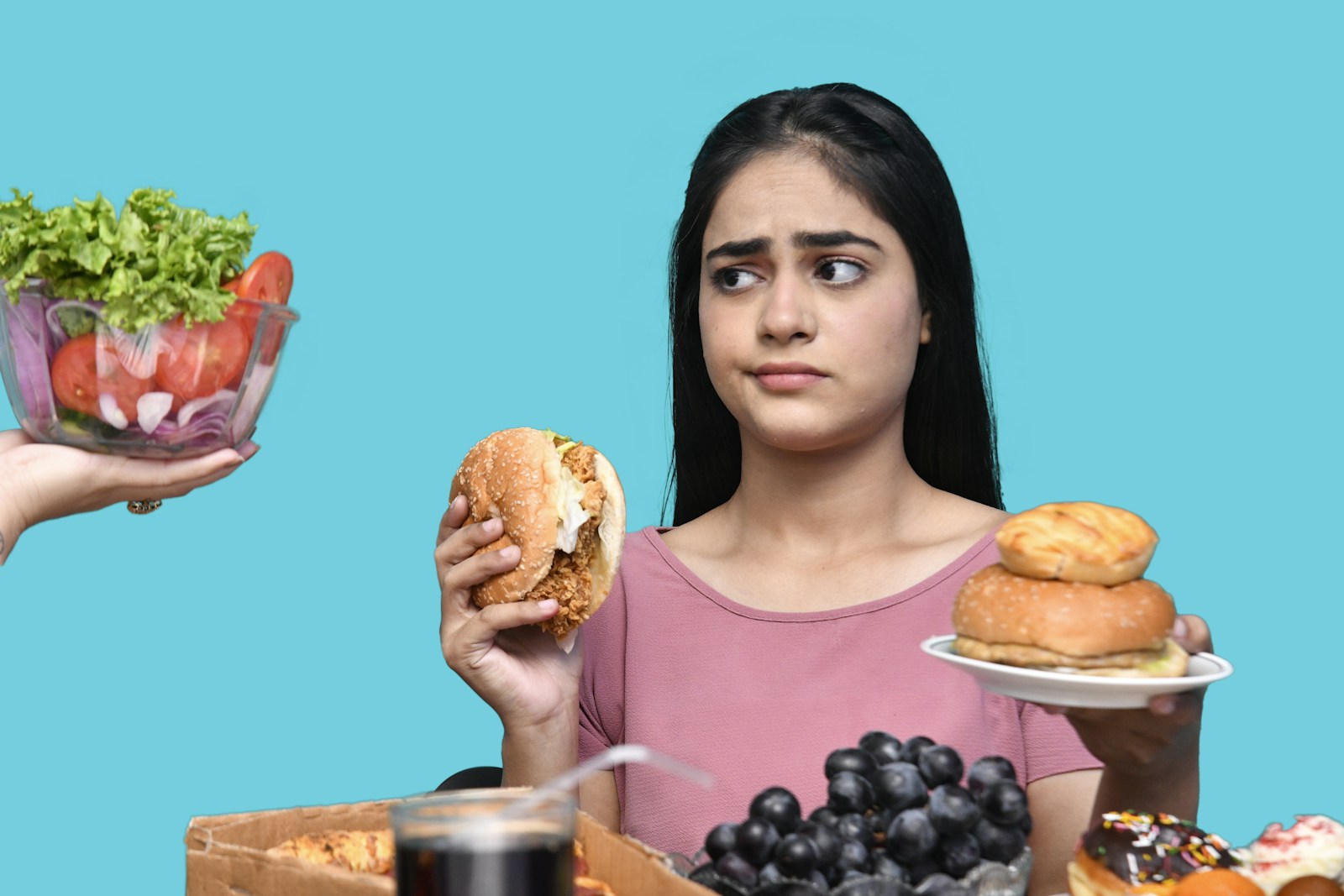
TL;DR 🚀
Make sure to check our deep dive on why this matters.
- The UK has introduced a ban on junk food ads on TV before 9 PM.
- This move aims to reduce unhealthy eating habits among the public.
- The regulation is part of a broader strategy to tackle obesity.
- Experts believe this could significantly impact childhood obesity rates.
- Similar regulations are being adopted globally to protect children’s health.
In a significant shift towards promoting healthier lifestyles, the UK has enacted a ban on junk food advertisements on television before 9 PM. This initiative is designed to combat the rising rates of obesity and encourage healthier eating habits among viewers, particularly children. The decision comes in response to alarming statistics indicating that nearly one in three children in the UK is overweight or obese by the time they leave primary school.
The Ban Explained 📺
The new regulation prohibits the airing of advertisements for foods high in fat, sugar, and salt during peak viewing hours. This is a crucial step in addressing the impact of advertising on dietary choices, especially for younger audiences who are more impressionable. By limiting exposure to these ads, the government hopes to foster a healthier food environment.
The ban aligns with the UK government’s broader public health strategy, which includes educational campaigns about nutrition and healthier eating. Experts believe that reducing junk food advertising will help shift public perception and consumption patterns. For instance, studies have shown that children exposed to junk food ads are more likely to request those foods from their parents, leading to increased consumption.
Key Points of the Regulation:
- Applies to all television channels, including streaming services that feature advertisements.
- Aims to protect children from unhealthy food marketing, particularly during children’s programming.
- Part of a larger initiative to combat obesity in the UK, which includes school meal reforms and public health campaigns.
The Impact on Public Health 🍏
The implications of this ban are far-reaching. Studies have shown that children are particularly susceptible to advertising, often leading to poor food choices. For example, a study by the University of Liverpool found that children who watched more junk food ads consumed an average of 30% more calories than those who were not exposed to such advertisements. By limiting junk food ads, the UK government is taking a proactive approach to public health.
This regulation is part of a series of measures aimed at tackling the obesity crisis, which has been exacerbated by the COVID-19 pandemic. As people turned to comfort foods during lockdowns, the need for such policies became even more pressing. According to the National Health Service (NHS), obesity-related health conditions cost the UK approximately £6.1 billion annually.
Health advocates argue that this ban could lead to a significant reduction in childhood obesity rates. The hope is that with fewer ads promoting unhealthy foods, families will be more inclined to choose nutritious options. Countries like Australia and Canada have seen positive outcomes from similar advertising restrictions, reporting declines in childhood obesity rates and improved dietary habits among children.
Quick Takeaways 📌
- The ban is expected to significantly reduce junk food consumption among children.
- It reflects a growing trend towards stricter food advertising regulations globally.
- The initiative is part of a comprehensive strategy to improve public health.
- The UK government is investing in nutritional education to complement the advertising ban.
- Ongoing research will monitor the effectiveness of the ban on public health outcomes.
FAQ ❔
What types of foods are considered “junk food” under this ban?
Junk food typically includes items high in sugar, salt, and unhealthy fats, such as sugary cereals, fast food, and snack foods. The ban specifically targets advertisements for these products during restricted hours. Foods like candy bars, chips, and sugary drinks fall under this category.
How will this affect advertisers and food companies?
Advertisers will need to adjust their strategies to comply with the new regulations, potentially shifting their focus to healthier products or changing their advertising schedules. Food companies may also need to reformulate their products to align with public health goals. For instance, brands may invest in marketing healthier alternatives or reformulate existing products to reduce sugar and fat content.
Are there similar regulations in other countries?
Yes, several countries have implemented similar restrictions on junk food advertising, particularly aimed at protecting children. For instance, countries like Sweden and Norway have long-standing bans on advertising unhealthy foods to minors. In the United States, some cities have enacted local regulations to limit junk food advertising in schools and on public transportation.
What are the potential long-term effects of this ban?
The long-term effects of this ban could be substantial. If successful, it may lead to a cultural shift in how food is marketed to children, encouraging healthier eating habits from a young age. Additionally, if obesity rates decline, there could be significant savings in healthcare costs associated with obesity-related diseases, benefiting the economy as a whole.
The UK’s decision to ban junk food ads before 9 PM is a bold move in the fight against obesity and unhealthy eating habits. As this regulation takes effect, it will be interesting to observe its impact on public health and consumer behavior. With the right support and education, this could be a significant step towards a healthier future for the nation.