
Tick Bites Surge in Moscow Region: 25 Hospitalized This Season
The Moscow region reports 25 hospital visits due to tick bites this season, highlighting the growing concern for public health. Discover why it matters and what
- BackZee
- 5 min read
TL;DR 🚀
Make sure to check our deep dive on why this matters.
- 25 individuals in the Moscow region have sought medical help for tick bites this season.
- The rise in cases signals a growing public health concern.
- Authorities urge residents to take precautions during outdoor activities.
- Tick-borne diseases can have serious health implications, including long-term effects.
- Public awareness and education are critical in combating this health threat.
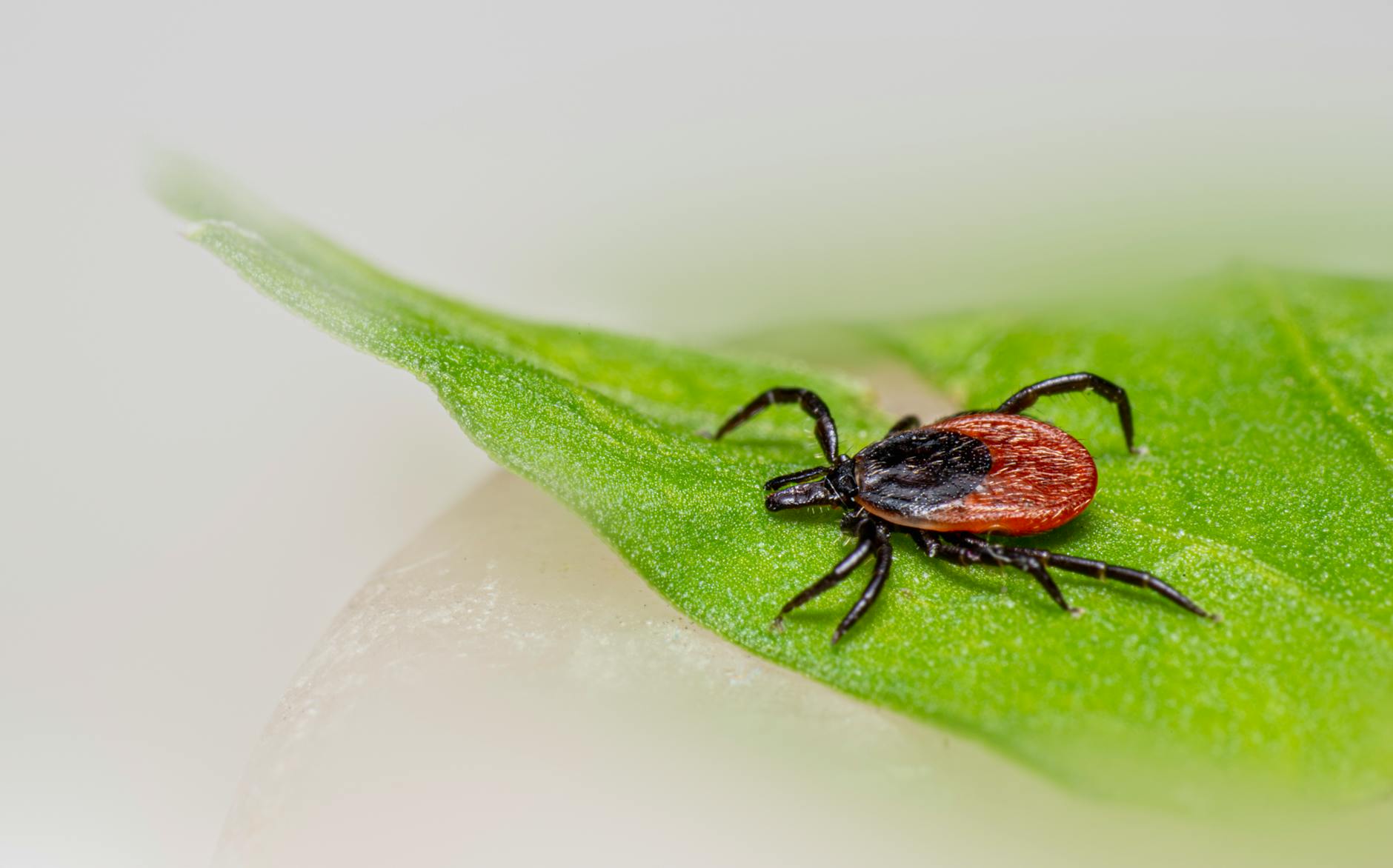
As the weather warms up, the Moscow region is experiencing a concerning uptick in tick bites, with 25 reported cases leading to hospital visits this season. This alarming trend has prompted the Rospotrebnadzor agency to issue warnings and advice for residents to stay vigilant while enjoying the outdoors. The increase in tick bites is not just a local issue; it reflects a broader trend seen in various parts of Russia and even globally, where changing climates and urbanization are contributing to the proliferation of ticks.
Understanding the Tick Bite Threat 🦠
Tick bites can pose serious health risks, including Lyme disease and tick-borne encephalitis (TBE). Lyme disease, caused by the bacterium Borrelia burgdorferi, can lead to severe complications if left untreated, including joint pain and neurological issues. TBE, on the other hand, can cause inflammation of the brain and central nervous system, leading to long-term health complications.
The recent reports from Rospotrebnadzor indicate that the number of hospital visits due to tick bites is on the rise, which raises significant alarms for public health officials. In 2022, there were over 1,500 reported cases of Lyme disease in Russia, a number that has been steadily increasing over the past decade. The increase in tick-related incidents highlights the need for public awareness and education on how to effectively prevent bites.
Preventive measures are crucial for anyone spending time in wooded or grassy areas. Here are some tips to stay safe:
- Wear long sleeves and pants, preferably light-colored to easily spot ticks.
- Use insect repellent containing DEET or picaridin, applying it to exposed skin and clothing.
- Check for ticks after outdoor activities, especially in areas where ticks are prevalent.
- Shower soon after returning indoors to wash off any unattached ticks.
- Keep your yard tidy by mowing the lawn regularly and removing leaf litter, which can harbor ticks.
Public Health Response 📈
In response to the growing number of tick bites, health authorities are ramping up their efforts to educate the public. Rospotrebnadzor has been actively disseminating information on how to recognize tick bites and what to do if bitten. They have also launched community outreach programs aimed at educating residents about the risks associated with ticks and the importance of preventive measures.
Local health clinics are being equipped with resources to assist in the identification and treatment of tick-borne diseases. Additionally, public health campaigns are being rolled out across various media platforms to reach a broader audience. For more insights on health safety measures, check out our related post on preventing tick bites.
Quick Takeaways 📌
- 25 cases of tick bites reported in the Moscow region this season.
- Rospotrebnadzor is actively warning the public and providing educational resources.
- Awareness and preventive measures are essential for safety.
- Tick-borne diseases can lead to serious health complications if untreated.
- Community engagement is crucial in addressing the tick bite surge.
Cultural Insights and Context 🌍
In Russia, the arrival of spring and summer is often celebrated with outdoor activities, from picnics in parks to hiking in the countryside. However, this cultural affinity for nature comes with risks, particularly in regions where ticks are prevalent. The Moscow region, with its mix of urban and rural landscapes, provides an ideal habitat for ticks, making it imperative for residents to be aware of the risks.
Moreover, the rise in tick bites can also be linked to climate change, which has extended the active season for ticks. Warmer temperatures allow ticks to thrive for longer periods, and their range is expanding into areas that were previously inhospitable. This shift poses new challenges for public health officials and underscores the need for ongoing education and preventive strategies.
FAQ ❔
What should I do if I find a tick on my body?
If you discover a tick, it’s important to remove it as soon as possible using fine-tipped tweezers. Grasp the tick as close to the skin’s surface as you can and pull upward with steady, even pressure. Clean the bite area and your hands with rubbing alcohol or soap and water. If you experience any unusual symptoms afterward, consult a healthcare professional.
How can I prevent tick bites while hiking?
To minimize your risk of tick bites during hikes, wear protective clothing, use insect repellent, and stick to the center of trails. After your hike, conduct a thorough tick check on yourself and your pets. Pay special attention to areas like the scalp, behind the ears, under the arms, and behind the knees.
Are all ticks dangerous?
Not all ticks carry diseases, but it’s difficult to tell which ones do. It’s best to treat all tick bites seriously and monitor for symptoms such as fever, rash, or fatigue. If you experience any of these symptoms after a tick bite, seek medical attention promptly.
What are the symptoms of tick-borne diseases?
Symptoms of tick-borne diseases can vary but often include fever, chills, fatigue, muscle and joint aches, and rashes. Lyme disease, for instance, may present with a characteristic bull’s-eye rash. Early detection and treatment are crucial for effective recovery.
As the season progresses, staying informed and prepared is key to enjoying the outdoors safely. With the right precautions and awareness, residents of the Moscow region can continue to enjoy nature while minimizing the risks associated with tick bites.