
Surviving the Polar Night: Northern Residents Share Winter Tips
Discover how residents of the North cope with the long, dark winters. Their tips can help anyone facing seasonal blues. Discover why it matters for Gen-Z reader
- BackZee
- 5 min read
TL;DR 🚀
Make sure to check our deep dive on why this matters.
- Residents of Northern regions share strategies for surviving long winters.
- Coping mechanisms include staying active and embracing community.
- Mental health is a significant focus during the dark months.
- Bright light therapy and routines can alleviate seasonal affective disorder.
- Engaging in hobbies fosters creativity and connection.
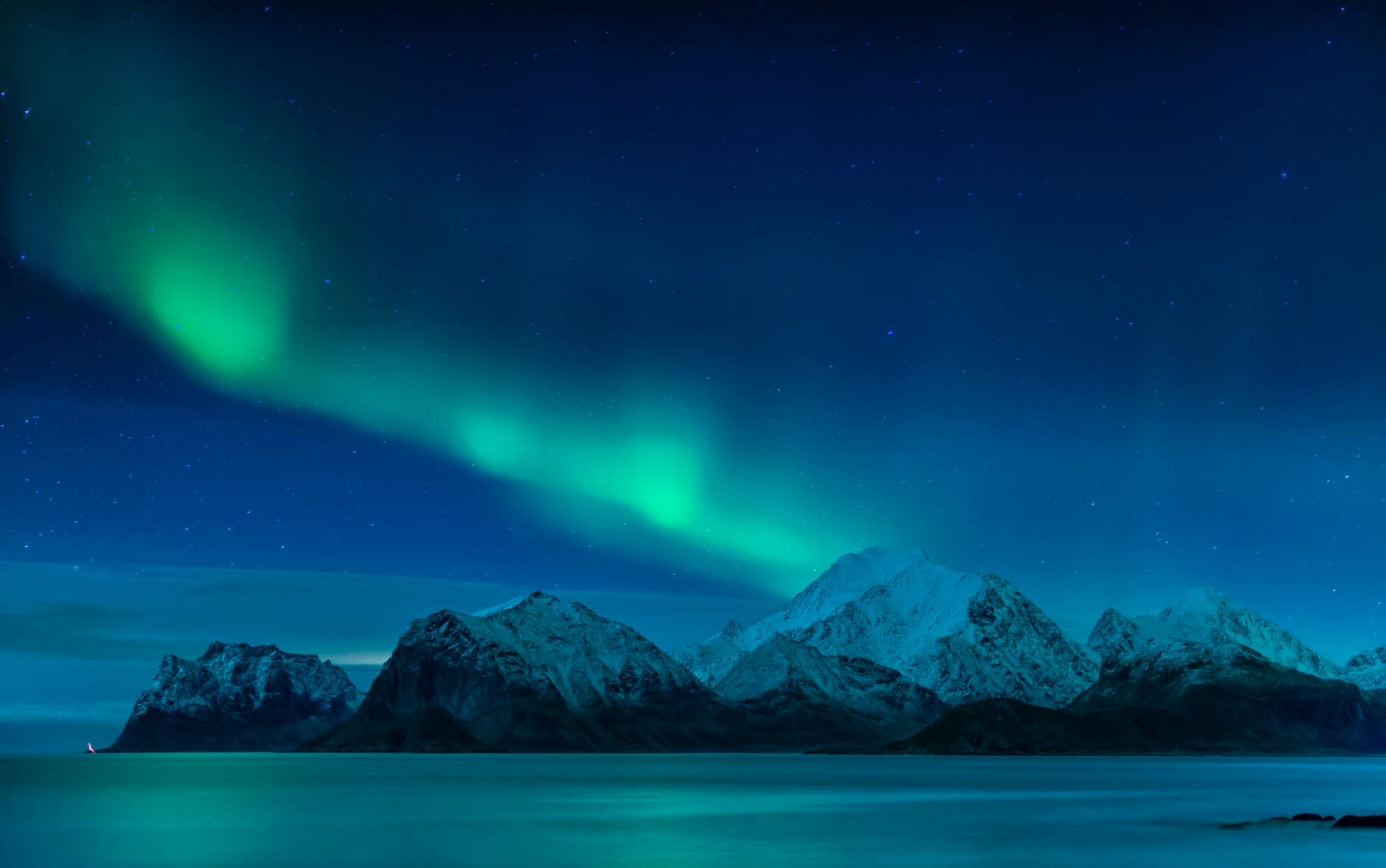
As winter blankets the Northern regions in darkness, residents have learned to navigate the challenges of the polar night. With the sun barely making an appearance for months, these individuals share their insightful tips on how to maintain a positive mindset and thrive during this bleak season.
Embracing the Darkness 🌌
Living in places like Norilsk can feel like stepping into another world. One resident recalls moving from Krasnoyarsk, expecting the cold to be manageable. However, the stark reality of endless darkness during the polar night hit hard. “You look out the window, and it’s the same view for 45 days straight,” they lament.
During the first winter, the excitement of settling in kept the blues at bay. However, the second winter brought a wave of fatigue and lethargy, highlighting the mental toll of prolonged darkness. The sun doesn’t fully return until mid-February, leaving many counting down the days until spring.
To combat the winter gloom, locals have developed various strategies. Some emphasize the importance of staying active. Whether it’s engaging in winter sports like skiing and snowboarding or simply taking brisk walks, movement helps combat feelings of sluggishness. In fact, studies show that physical activity can release endorphins, which are natural mood lifters. Others find solace in community activities, from group gatherings to local events that foster connection and joy.
The Science Behind Seasonal Affective Disorder
Seasonal Affective Disorder (SAD) is a type of depression that occurs at certain times of the year, often in winter. It affects approximately 5% of the U.S. population, with symptoms including fatigue, depression, and social withdrawal. The lack of sunlight can disrupt the body’s internal clock and lead to decreased serotonin levels, which is why Northern residents are particularly proactive in managing their mental health during these months.
Finding Light in the Dark 🌟
Another common theme among residents is the power of routine. Establishing a daily schedule can provide a sense of normalcy and purpose. Many suggest incorporating bright light therapy into their mornings, which can significantly improve mood and energy levels. This therapy involves exposure to a light box that mimics natural sunlight, helping to regulate sleep patterns and mood.
Additionally, embracing hobbies and interests can be a game-changer. From crafting to cooking, keeping the mind engaged is crucial. Some residents even organize workshops to share skills and create a sense of community. As one resident puts it, “When you’re surrounded by others who understand what you’re going through, it makes a world of difference.”
Cultural Insights
In many Northern cultures, winter is not merely a season to endure but a time to celebrate. Festivals like the Winter Festival in Murmansk or the Sami National Day in Norway highlight the beauty of winter through art, music, and community gatherings. These events not only provide entertainment but also reinforce cultural identity and community bonds, reminding residents that they are not alone in their experiences.
Quick Takeaways 📌
- Stay Active: Engage in physical activities to boost mood.
- Establish Routines: Create a daily schedule for structure.
- Connect with Community: Participate in local events and workshops.
- Bright Light Therapy: Utilize light therapy to combat seasonal affective disorder.
- Embrace Hobbies: Engage in creative activities to foster connection and joy.
FAQ ❔
How do residents cope with the lack of sunlight during winter?
Many residents turn to physical activities and community events to maintain their mental health. They also emphasize the importance of routines and hobbies to keep spirits high. For instance, some have reported that participating in group sports or crafting sessions has significantly improved their mood.
What are some effective activities to combat winter blues?
Engaging in winter sports, crafting, or cooking can help keep the mind occupied. Additionally, group activities foster social connections, which are vital during the dark months. For example, local knitting circles or cooking classes not only provide a creative outlet but also strengthen community ties.
Is bright light therapy really effective?
Yes, many people find that bright light therapy can significantly improve mood and energy levels during the polar night, helping to mitigate symptoms of seasonal affective disorder. Research indicates that light therapy can be as effective as antidepressant medications for some individuals.
How important is community during the polar night?
Community plays a crucial role in combating the isolation that can come with the polar night. Engaging with others through shared activities, whether in person or virtually, can provide emotional support and foster a sense of belonging.
In conclusion, while the polar night presents unique challenges, the resilience and creativity of Northern residents shine through. By sharing their experiences and strategies, they not only help themselves but also inspire others facing similar seasonal struggles. Whether it’s through community engagement or personal routines, there’s always a way to find light in the darkest of times.