
Russians Prefer Cat Books Over Dog Books by Fourfold Increase
A recent study reveals that Russians are buying cat books four times more than dog books, highlighting a cultural trend in pet literature. Discover why it matte
- BackZee
- 5 min read
TL;DR 🚀
Make sure to check our deep dive on why this matters.
- Russians are buying cat-related books four times more than dog books.
- The trend reflects a growing fascination with feline culture.
- Bookstores are responding to the demand with more cat-themed literature.
- Urban living dynamics favor cats as low-maintenance companions.
- Social media is a significant driver of cat culture and literature.
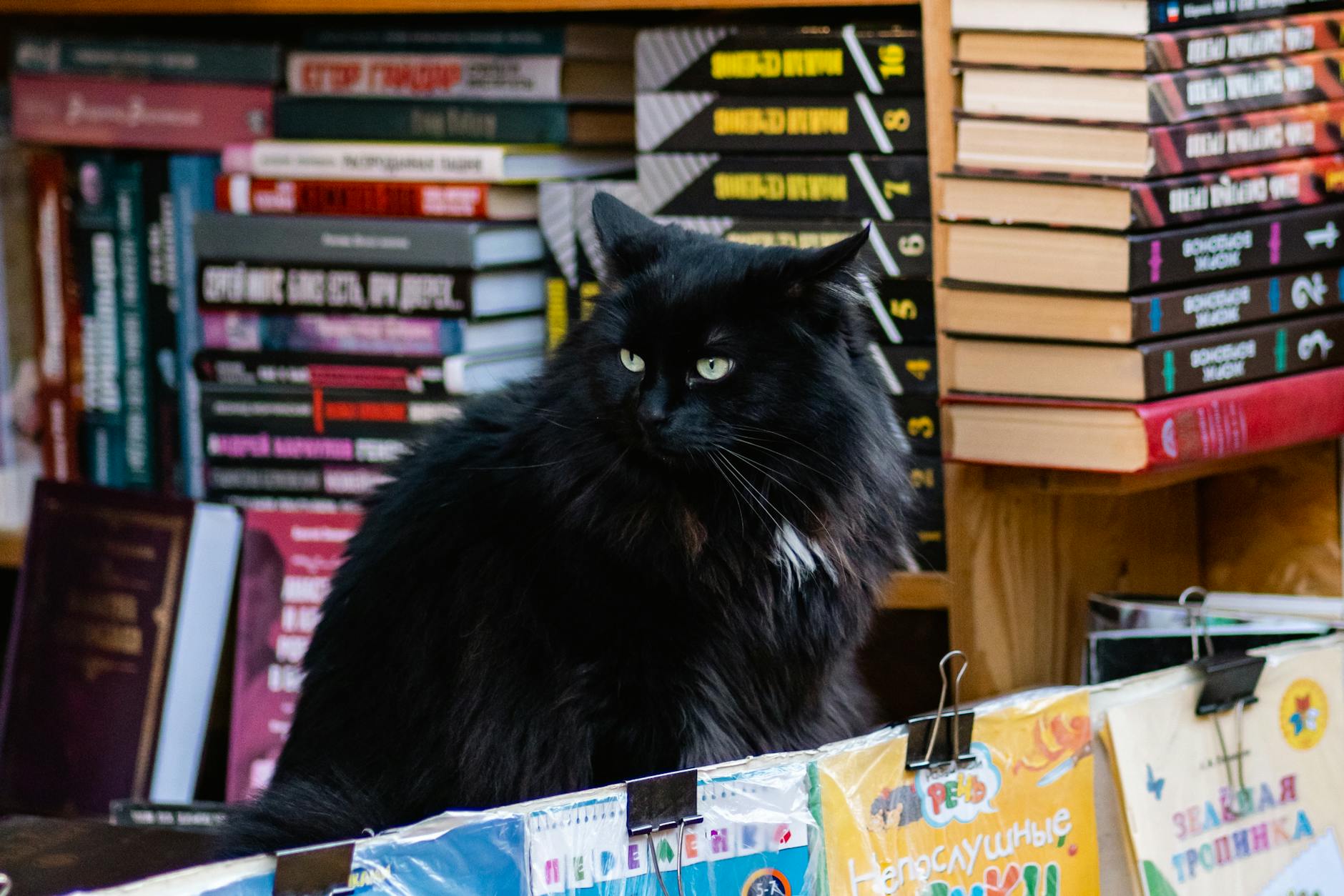
In a surprising turn of events, recent data shows that Russians are purchasing books about cats at a staggering rate—four times more than those about dogs. This trend not only highlights the nation’s love for felines but also suggests a shift in cultural interests within the realm of pet literature.
The Rise of Cat Literature 🐱
The surge in cat book sales can be attributed to several factors. Cats have become increasingly popular as pets in Russia, often seen as low-maintenance companions compared to dogs. According to recent surveys, over 60% of Russian households now own cats, a significant increase from previous years. This shift in pet ownership is mirrored in the literary market, where cat-themed books are dominating the shelves.
Bookstores across the country are noticing this trend and are adapting their inventories accordingly. From novels featuring feline protagonists to guides on cat care, the variety of cat literature is expanding. For instance, titles like “The Cat Who Came in from the Cold” and “Feline Philosophy” have become bestsellers, appealing to both cat lovers and casual readers alike. This increase in availability is likely fueling the demand, as more readers are drawn to the charm and mystique of cats.
Additionally, social media plays a significant role in promoting cat culture. Platforms like Instagram and TikTok are flooded with cat content, creating a community that celebrates these furry companions. The hashtag #CatsofInstagram boasts over 100 million posts, showcasing everything from adorable cat videos to memes that resonate with cat owners. This online presence not only boosts the popularity of cats but also encourages readers to explore literature that aligns with their interests.
Dog Books Take a Backseat 🐶
While dog books are still popular, they are not keeping pace with their feline counterparts. The reasons for this disparity are multifaceted. Dogs require more attention and care, which might deter some potential pet owners from choosing them as companions. Consequently, readers may gravitate towards cat literature that resonates more with their lifestyles.
Moreover, the narrative surrounding dogs often focuses on training and obedience, whereas cat literature tends to embrace a more relaxed and humorous approach. This difference in tone may appeal to a broader audience, particularly those looking for light-hearted reading material. For example, books like “The Cat’s Table” by Michael Ondaatje offer whimsical narratives that capture the essence of feline life, contrasting with the more serious tone of many dog training manuals.
Quick Takeaways 📌
- Cat books are outselling dog books by a ratio of 4:1 in Russia.
- The trend reflects changing pet ownership dynamics, particularly in urban settings.
- Social media is a significant driver of cat culture and literature.
- The light-hearted nature of cat literature appeals to a wider audience.
- New authors are emerging to cater to the growing interest in feline narratives.
The Cultural Impact of Feline Fascination 📚
The preference for cat books over dog books is not just a passing trend; it reflects deeper cultural shifts. As urban living becomes more prevalent, many Russians are opting for pets that fit their lifestyle. Cats, with their independent nature, are often seen as ideal companions for busy city dwellers. In fact, a study by the Russian Pet Association found that 75% of urban cat owners cite convenience as a primary reason for their choice.
This cultural shift is also evident in the types of stories being told. Fiction featuring cats often explores themes of independence, mystery, and companionship, resonating with readers who appreciate the complexity of feline behavior. In contrast, dog stories frequently emphasize loyalty and companionship, which, while beloved, may not align with the current zeitgeist.
The rise of cat literature also opens doors for new authors and genres. Writers are increasingly exploring unique narratives that highlight the quirks and personalities of cats, leading to a rich tapestry of stories that cater to this growing audience. For instance, the emergence of graphic novels featuring cats, such as “Cat Paradise,” has captivated younger readers, blending visual art with storytelling in a way that appeals to the digital generation.
FAQ ❔
Why are Russians buying more cat books than dog books?
The preference for cat books is linked to the rising popularity of cats as pets, which are often seen as more suitable for urban lifestyles. Additionally, the humorous and light-hearted nature of cat literature resonates with a broader audience.
What types of cat literature are most popular?
Popular cat literature includes novels with feline protagonists, humorous guides, and care manuals that resonate with cat owners and enthusiasts. Titles that blend humor with practical advice are particularly favored.
How is social media influencing pet literature trends?
Social media platforms are creating vibrant communities around cats, encouraging more people to engage with cat-related content and literature. Viral cat videos and memes often lead to increased interest in books that feature similar themes.
Are there any notable authors in the cat literature genre?
Yes, authors like Haruki Murakami, whose works often feature cats, and Lilian Jackson Braun, known for her “The Cat Who…” series, have made significant contributions to the genre. Their unique storytelling styles have helped popularize feline narratives.
This fascinating trend in Russia showcases how cultural preferences can shape the literary landscape, revealing a deeper connection between pet ownership and reading habits. As the love for cats continues to grow, we can expect to see even more innovative and engaging literature celebrating these beloved companions.