
Russians Devour 500 Million Pancakes During Maslenitsa Festival
During the Maslenitsa festival, Russians consume an astonishing 500 million pancakes, celebrating tradition and community. Discover why it matters and what happ
- BackZee
- 5 min read
TL;DR 🚀
- Russians consume 500 million pancakes during Maslenitsa.
- The festival marks the end of winter and the arrival of spring.
- Pancakes symbolize the sun and are a key part of the celebration.
- Maslenitsa includes various cultural activities and community bonding.
- The festival showcases the rich tapestry of Russian traditions and culinary diversity.
Maslenitsa, a vibrant festival in Russia, is all about bidding farewell to winter and welcoming the warmth of spring. This year, the festivities have reached a staggering milestone, with locals consuming an incredible 500 million pancakes. This culinary tradition not only brings communities together but also symbolizes the sun’s return, marking a significant transition in the Russian seasonal calendar.
The Significance of Maslenitsa 🌞
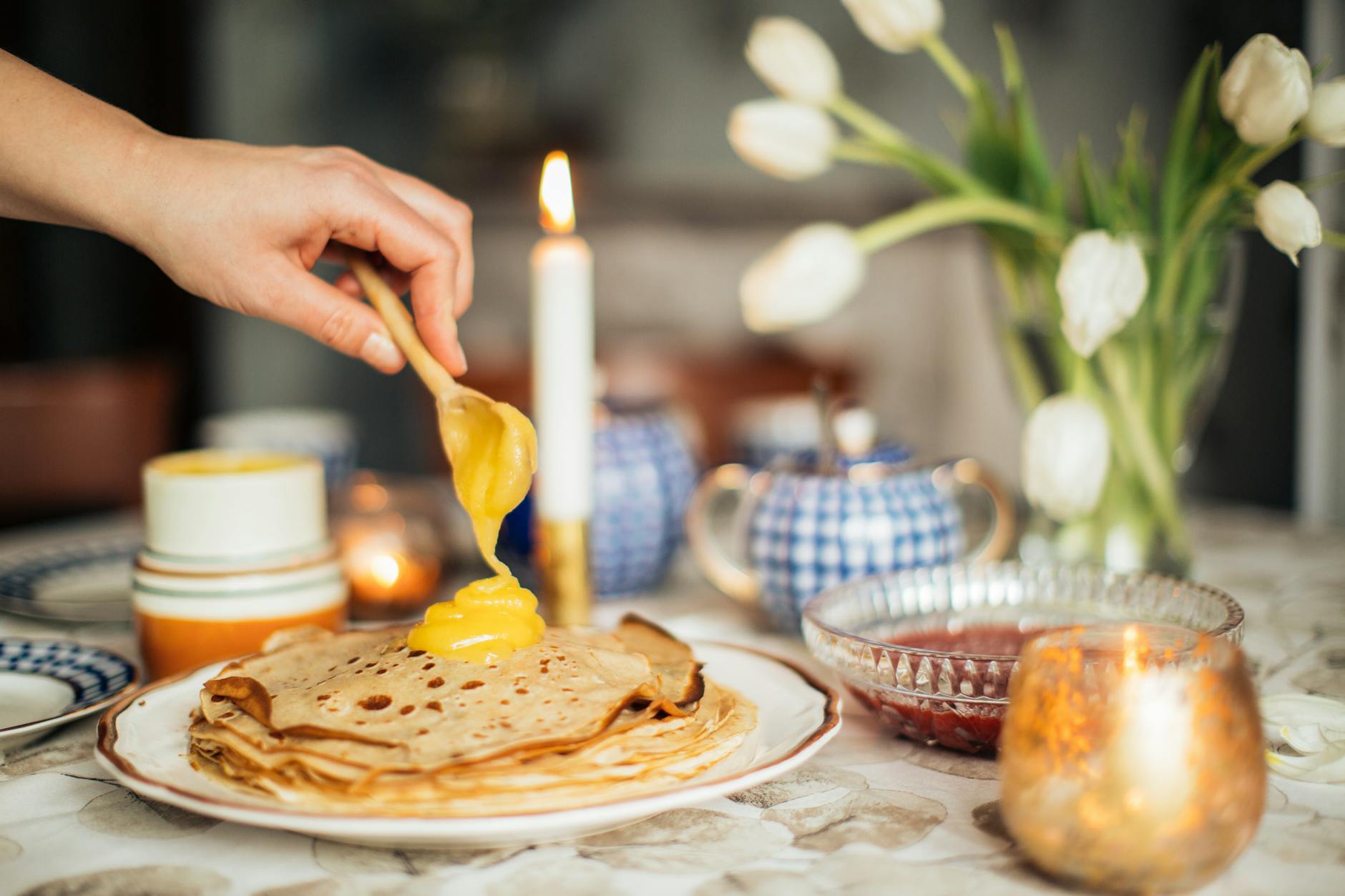
Maslenitsa is more than just a food festival; it’s a cultural celebration steeped in history. Traditionally, it marks the last week before Lent, a time when indulgence is encouraged before the fasting period begins. The pancakes, or “bliny,” are round and golden, representing the sun—a symbol of warmth and light after the long, cold winter months.
The origins of Maslenitsa can be traced back to pagan rituals celebrating the end of winter and the arrival of spring. Over the centuries, it has evolved into a festival that embraces both pre-Christian and Christian traditions. The week-long celebration is filled with joy, laughter, and a sense of community, as families and friends gather to enjoy these delicious treats, often topped with butter, jam, or sour cream. The act of making and sharing pancakes is a way to foster community bonds and honor Russian heritage.
Key highlights of Maslenitsa include:
- Pancake-making competitions: Families compete to make the fluffiest and tastiest bliny, showcasing their culinary skills.
- Outdoor festivities: Traditional games such as tug-of-war and snowball fights take place, bringing joy to participants of all ages.
- Cultural performances: Folk music and dance are integral to the celebration, showcasing Russia’s rich artistic heritage. In many towns, you can find performances of traditional Russian dances, adding to the festive atmosphere.
Pancakes: The Heart of the Celebration 🥞
The sheer volume of pancakes consumed during Maslenitsa is mind-blowing. With 500 million bliny being devoured, it’s clear that this festival is a national favorite. The pancakes are not just a culinary delight; they are a symbol of unity and the joy of coming together as a community.
In addition to their cultural significance, pancakes are versatile. They can be served sweet or savory, allowing for a variety of flavors that cater to different tastes. Sweet toppings might include honey, berries, or condensed milk, while savory options can feature caviar, smoked salmon, or mushrooms. This adaptability makes them a beloved dish not only during Maslenitsa but throughout the year.
Interestingly, the pancake-making process itself is an art form. Many families have their own unique recipes passed down through generations, each adding a personal touch to the bliny. Some even use special pans to create pancakes that are perfectly round and golden-brown, which is considered a mark of skill.
For more on the cultural importance of food in celebrations, check out our post on food traditions around the world.
Quick Takeaways 📌
- Maslenitsa is celebrated in Russia to mark the end of winter.
- Pancakes symbolize the sun and are central to the festivities.
- The festival promotes community bonding through shared meals and activities.
- Maslenitsa combines ancient traditions with modern celebrations, showcasing Russia’s rich cultural heritage.
- The variety of pancake fillings and toppings reflects the diversity of Russian cuisine.
FAQ ❔
What is Maslenitsa?
Maslenitsa is a traditional Russian festival that celebrates the end of winter and the arrival of spring. It typically involves a week of festivities, including the making and eating of pancakes, and is characterized by a joyful atmosphere of community and cultural expression.
Why are pancakes important during Maslenitsa?
Pancakes, or bliny, symbolize the sun and warmth. They are a central part of the celebration, representing the joy of community and the transition from winter to spring. The act of sharing pancakes is a way to strengthen bonds among family and friends.
How do people celebrate Maslenitsa?
Celebrations include pancake-making, outdoor games, cultural performances, and family gatherings. It’s a time for indulgence and enjoying the company of loved ones before the fasting period of Lent begins. Many towns also host fairs with rides, crafts, and traditional foods, making it a festive occasion for all ages.
Are there any specific customs associated with Maslenitsa?
Yes, several customs are associated with Maslenitsa, including the building of a straw effigy called “Lady Maslenitsa,” which symbolizes winter. At the end of the festival, this effigy is often burned to signify the departure of winter and the welcoming of spring. Additionally, people often visit friends and relatives to share pancakes and enjoy each other’s company.
As Maslenitsa continues to grow in popularity, it serves as a reminder of the importance of tradition and community in Russian culture. The festival not only celebrates the deliciousness of pancakes but also the warmth of human connection, making it a cherished event for many. The vibrant colors, lively music, and the aroma of freshly made pancakes fill the air, creating an unforgettable experience that resonates deeply within the hearts of those who partake in this beloved celebration.