
Russian Passport Rises to 46th in Global Attractiveness Ranking
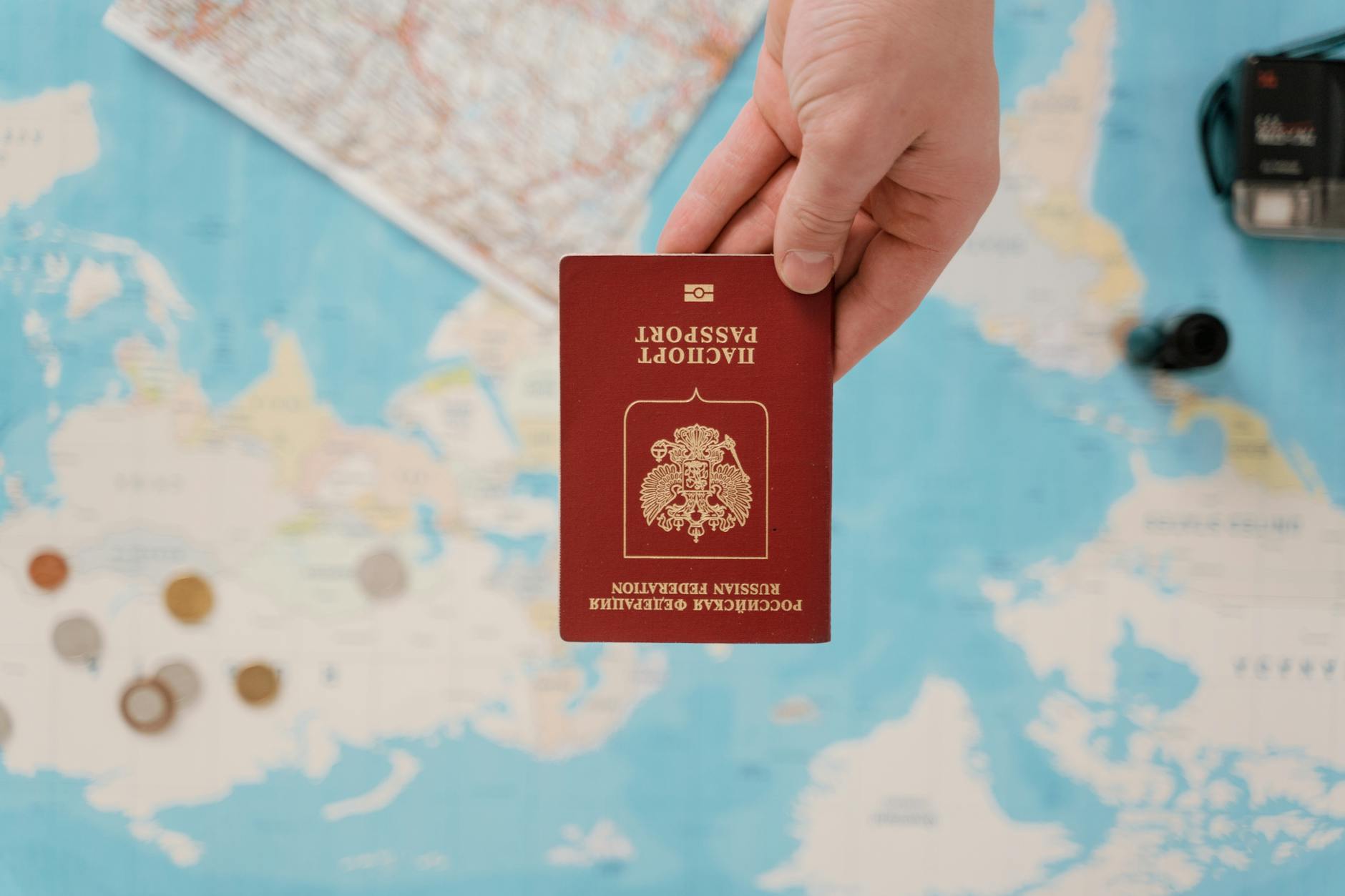
The Russian passport has climbed to 46th place in global attractiveness, reflecting changing perceptions and international relations. Discover why it matters fo
- BackZee
- 5 min read
TL;DR 🚀
Make sure to check our deep dive on why this matters.
- The Russian passport has improved its global ranking to 46th place.
- This shift indicates evolving perceptions of Russia internationally.
- The ranking is influenced by various geopolitical factors.
- Enhanced diplomatic relations have led to relaxed visa requirements for Russian citizens.
- The rise reflects a broader trend of changing global dynamics impacting travel freedom.
In a surprising turn of events, the Russian passport has moved up to 46th place in a recent global attractiveness ranking. This development highlights a shift in how the passport is perceived worldwide, reflecting broader changes in international relations and travel dynamics. The ranking, compiled by the Henley Passport Index, is a significant indicator of a nation’s diplomatic standing and the ease with which its citizens can travel.
Passport Power: What It Means 🌍
The rise in the Russian passport’s ranking is significant for several reasons. Passports are more than just travel documents; they symbolize a nation’s global standing and the ease with which its citizens can navigate the world. A higher ranking often correlates with increased travel freedom, allowing holders to visit more countries without the hassle of obtaining visas.
This boost to 46th place is not merely a numerical change; it represents a growing acceptance of Russian citizens in various countries. Factors contributing to this shift include diplomatic efforts, changes in visa policies, and the evolving geopolitical landscape. For instance, as some nations seek to strengthen ties with Russia, they may ease travel restrictions, thereby enhancing the passport’s attractiveness.
Key Factors Influencing the Ranking
- Diplomatic Relations: Improved ties with certain countries can lead to relaxed visa requirements. For example, recent agreements with countries in Asia and Latin America have facilitated easier travel for Russian citizens.
- Travel Freedom: The ability to visit more countries without a visa enhances the passport’s value. Currently, Russian passport holders can travel to 118 destinations visa-free or with visa-on-arrival options, a notable increase from previous years.
- Public Perception: Changing views on Russia can impact how its citizens are treated abroad. As international narratives shift, the perception of Russian travelers is also evolving, leading to more favorable treatment in some regions.
Global Context: The Bigger Picture 🌐
The ranking of passports globally is influenced by numerous factors, including political stability, economic conditions, and international relations. For example, countries with strong economies and stable governments typically enjoy higher passport rankings. As the Russian passport climbs, it reflects a complex interplay of these elements.
Interestingly, this ranking comes at a time when many nations are re-evaluating their foreign policies. As countries navigate shifting alliances and emerging global challenges, the attractiveness of a passport can change rapidly. The rise of the Russian passport can be seen as part of a broader trend where nations are reassessing their diplomatic strategies and travel policies in light of new geopolitical realities.
In recent years, countries like Turkey and Iran have strengthened their ties with Russia, leading to more favorable visa arrangements. Additionally, the easing of restrictions for Russian travelers to countries in Southeast Asia has also contributed to this rise. For more insights into how international relations affect travel, check out our post on global travel trends.
Quick Takeaways 📌
- The Russian passport’s rise to 46th place indicates improved international perceptions.
- Diplomatic efforts play a crucial role in passport attractiveness.
- Travel freedom is a key factor in determining passport rankings.
- The increase in visa-free travel destinations reflects changing geopolitical alliances.
- The ranking may influence future travel patterns for Russian citizens.
FAQ ❔
How is the attractiveness of a passport determined?
The attractiveness of a passport is assessed based on the number of countries its holders can visit without a visa, as well as the ease of obtaining visas for other destinations. Factors like diplomatic relations and international agreements also play a significant role. The Henley Passport Index, for instance, evaluates these criteria annually, providing a comprehensive overview of global passport rankings.
What does the ranking mean for Russian citizens?
For Russian citizens, this ranking means potentially easier travel to more countries without the need for a visa. It can also enhance their global mobility and opportunities for travel, work, and study abroad. With the current ranking, Russian passport holders can explore a variety of destinations, from popular tourist spots in Europe to emerging markets in Asia.
Are there any countries with higher rankings than Russia?
Yes, many countries, particularly those in the European Union and North America, typically have higher passport rankings due to their strong diplomatic relations and extensive visa-free travel agreements. For instance, passports from Japan and Singapore consistently rank at the top, allowing their citizens access to over 190 countries without a visa.
What are the implications of this ranking for international relations?
The rise of the Russian passport may signal a shift in international relations, as countries that were previously hesitant to engage with Russia reconsider their stance. This could lead to increased collaboration in various sectors, including trade, tourism, and cultural exchange, fostering a more interconnected global community.
In conclusion, the rise of the Russian passport to 46th place is a noteworthy development in the realm of international travel and diplomacy. As global dynamics continue to evolve, the implications for Russian citizens and their travel opportunities are significant. This change not only reflects current geopolitical trends but also sets the stage for future developments in how passports are perceived and utilized worldwide. The evolving landscape of international relations will undoubtedly continue to shape the attractiveness of passports, influencing the mobility of citizens around the globe.