
New Russian GOST Standard for Traditional Kolobok Preparation
Russia introduces a new GOST standard for making kolobok, a traditional dish. Discover the details and significance of this culinary milestone.
- BackZee
- 5 min read
TL;DR 🚀
Make sure to check our deep dive on why this matters.
- Russia has created a GOST standard for making kolobok.
- This marks the first official guideline for traditional Russian dishes.
- The initiative aims to preserve culinary heritage and improve food quality.
- Standardization enhances culinary tourism by ensuring authentic experiences.
- The kolobok GOST is part of a broader movement to formalize traditional Russian recipes.
In a move to celebrate and preserve its rich culinary heritage, Russia has introduced a new GOST standard specifically for preparing kolobok, a beloved traditional dish. This initiative, reported by РИА «Новости», is part of a broader effort to establish official guidelines for various Russian recipes, ensuring consistency and quality across the board. The kolobok, often referred to as a “round bun” or “bread roll,” is more than just a dish; it is a symbol of Russian folklore and culture.
What is Kolobok? 🍞
Kolobok is a classic Russian pastry, often described as a round, baked bread roll. Traditionally made from simple ingredients like flour, water, and yeast, this dish has deep roots in Russian folklore and cuisine. The story of Kolobok is not just about food; it symbolizes the essence of Russian culture, often depicted in children’s tales where the kolobok rolls away from home, evading various animals. This charming narrative has made kolobok a staple in Russian households, especially for children, serving as both a delightful treat and a cultural lesson.
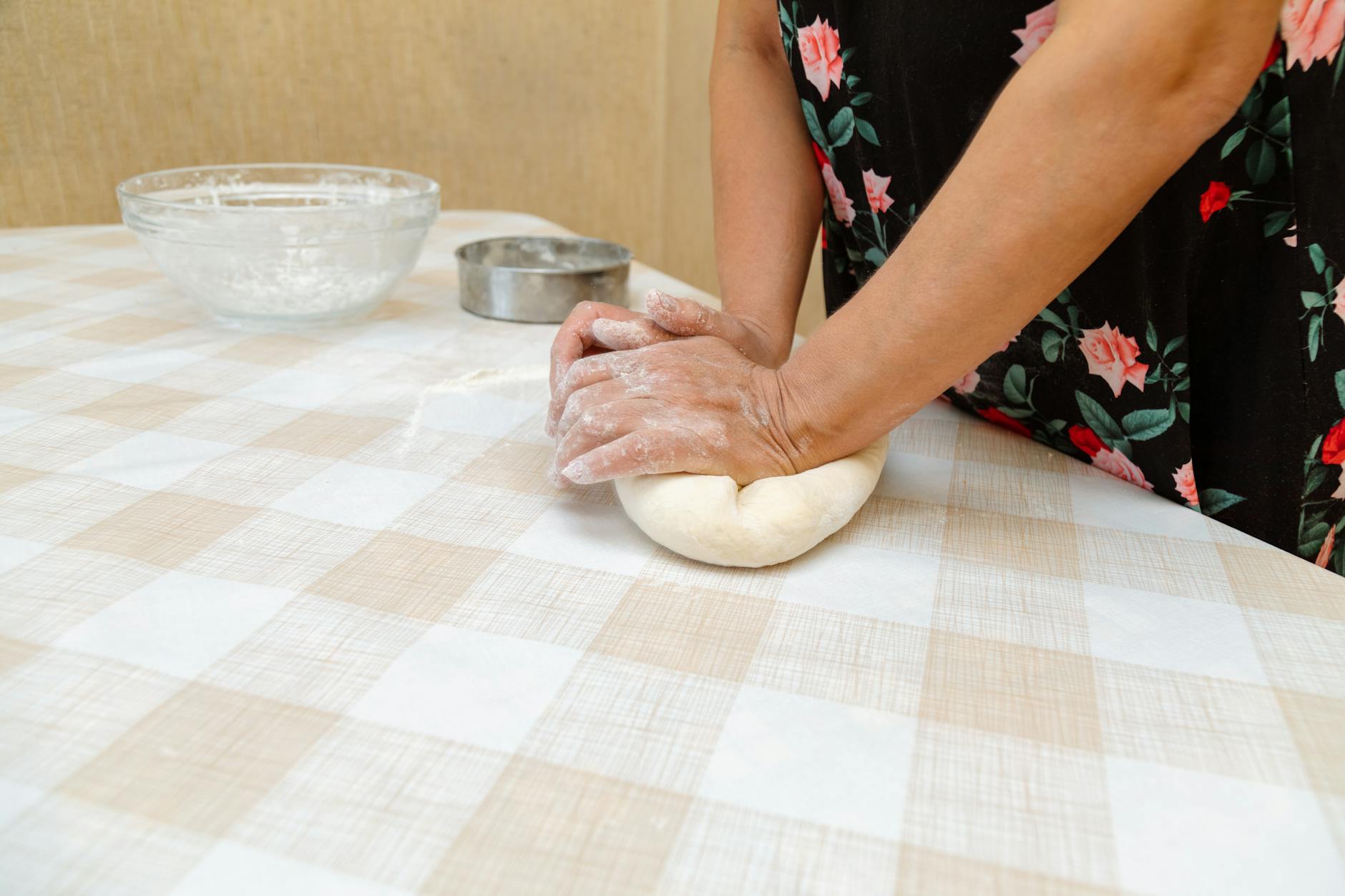
The introduction of the GOST standard is significant because it ensures that the preparation of kolobok will now follow specific guidelines. This means that every bite reflects the authentic taste of this cherished dish. The standardization process aims to maintain the quality and authenticity of kolobok, which has been enjoyed for generations. For instance, the new guidelines specify the exact proportions of ingredients, baking times, and even the recommended methods for kneading the dough, thus preserving the traditional methods while adapting to modern culinary practices.
The Importance of GOST Standards 📜
GOST, which stands for “Gosudarstvennyy Standart,” translates to “State Standard” in English. These standards are crucial in various industries, including food, as they set the benchmarks for quality and safety. The new kolobok GOST is significant for several reasons:
-
Culinary Consistency: By establishing a uniform recipe, consumers can expect the same taste and quality, no matter where they purchase kolobok. This consistency is vital in a country where regional variations of dishes can lead to vastly different experiences.
-
Cultural Preservation: This initiative helps to preserve traditional recipes that might otherwise fade away in modern culinary practices. As globalization influences food trends, having a GOST standard ensures that traditional dishes like kolobok remain relevant and appreciated.
-
Food Safety: GOST standards ensure that food products meet safety regulations, protecting consumers from potential health risks. This is particularly important in a country where food safety has been a growing concern.
-
Economic Impact: Standardization can also have a positive economic impact by promoting local bakeries and producers who adhere to these guidelines, thus supporting local economies and fostering pride in traditional craftsmanship.
The introduction of this standard is a step towards revitalizing interest in traditional Russian cuisine, encouraging both home cooks and professional chefs to embrace these time-honored recipes. With the kolobok GOST, there is potential for increased culinary tourism, as visitors seek authentic Russian experiences.
Quick Takeaways 📌
- The new GOST standard for kolobok is the first of its kind in Russia.
- It aims to ensure quality and authenticity in traditional cooking.
- This initiative highlights the importance of preserving cultural culinary practices.
- The kolobok GOST can enhance culinary tourism by providing standardized, authentic experiences.
- It reflects a growing trend in Russia to formalize traditional cooking methods.
A Broader Culinary Movement 🌍
The kolobok GOST is part of a larger trend in Russia to formalize the preparation of various traditional dishes. As culinary tourism grows, there is an increasing demand for authentic experiences, and standardized recipes can help meet this need. By promoting traditional cooking methods, Russia is not only preserving its heritage but also enhancing its global culinary reputation.
For instance, dishes like borscht, pelmeni, and blini are also being considered for standardization. This movement aims to create a comprehensive framework that can guide both chefs and home cooks in preparing these iconic dishes. The potential for culinary tourism is immense; travelers are increasingly seeking authentic experiences, and standardized recipes can ensure that they receive a genuine taste of Russian culture.
In addition, the Russian government is investing in initiatives that promote local ingredients and traditional cooking techniques. This not only supports local farmers and producers but also ensures that the flavors and techniques passed down through generations are not lost to modern industrial practices.
FAQ ❔
What is the significance of the kolobok GOST standard?
The kolobok GOST standard is significant as it establishes a uniform recipe for this traditional dish, ensuring quality and authenticity across different producers.
How does GOST impact food safety?
GOST standards help ensure that food products meet safety regulations, protecting consumers from health risks associated with improperly prepared foods.
Are there other traditional dishes being standardized in Russia?
Yes, the kolobok GOST is part of a broader initiative to standardize various traditional Russian dishes, aiming to preserve culinary heritage and improve food quality across the country.
How will this standardization affect culinary tourism?
Standardization can enhance culinary tourism by providing travelers with authentic experiences, ensuring that they taste traditional dishes prepared according to established guidelines.
What role does cultural heritage play in the introduction of GOST standards?
Cultural heritage is central to the introduction of GOST standards, as they aim to preserve traditional recipes and cooking methods that reflect the history and identity of Russian cuisine.