
Why Russians Are Choosing Cats for Emotional Support Over Mice Control
A deep dive into why most Russians adopt cats for companionship rather than pest control. Discover why it matters and what happens next. Большинство россиян зав
- BackZee
- 5 min read
TL;DR 🚀
Make sure to check our deep dive on why this matters.
- Majority of Russians adopt cats for emotional reasons.
- Only 5% of cat owners seek them for pest control.
- Cats provide companionship and comfort in daily life.
- The cultural perception of pets has shifted towards emotional support.
- Pet ownership is linked to improved mental health outcomes.
In Russia, the decision to bring a cat into the home is often driven by emotional needs rather than practical purposes. A recent study reveals that most cat owners in the country prioritize companionship and emotional support over traditional roles like pest control. This shift reflects broader societal changes in how pets are perceived and valued.
The Emotional Connection 🐱
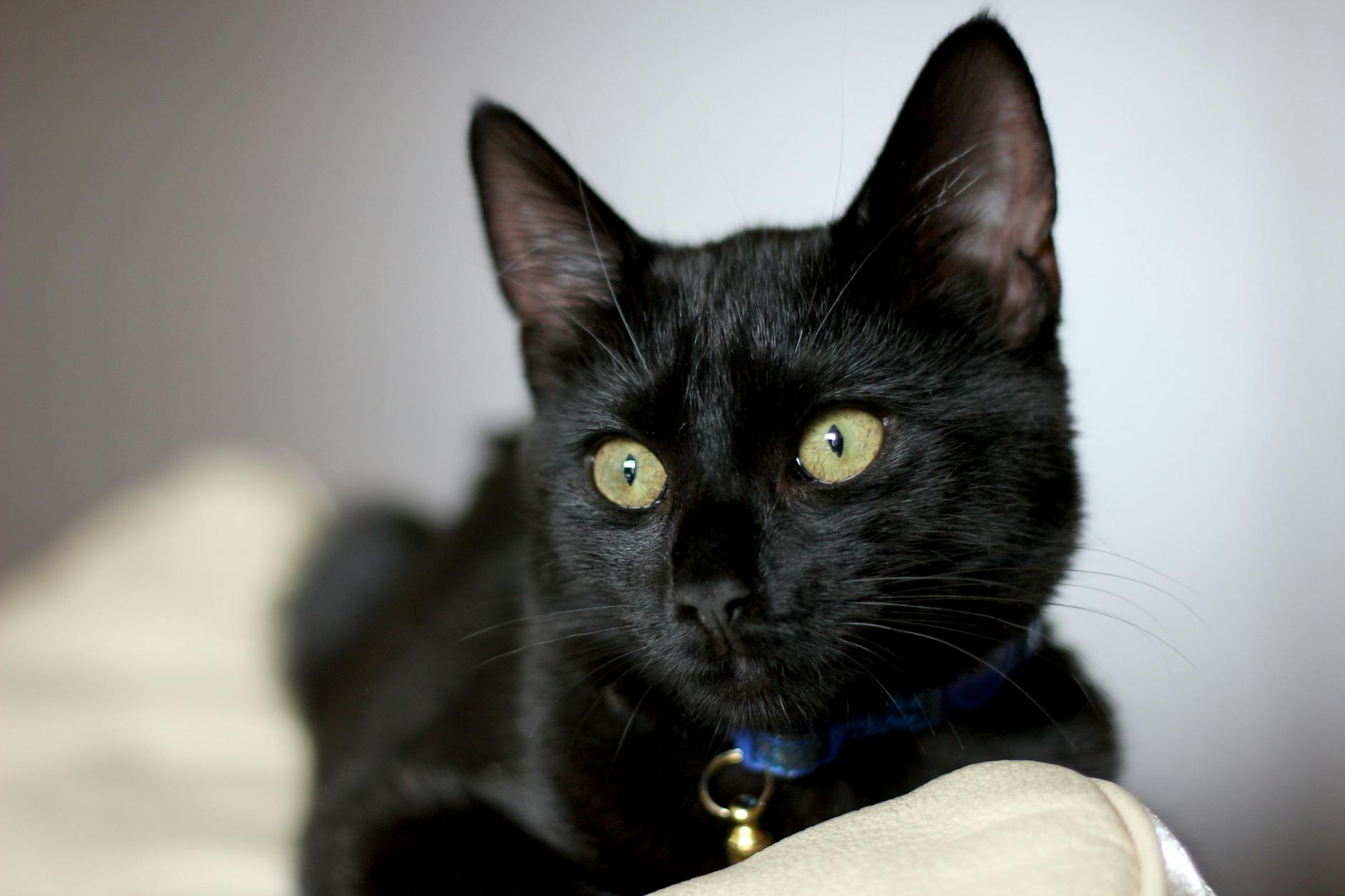
Cats have become more than just pets in Russian households; they are seen as companions that provide emotional comfort. The survey indicates that a staggering 95% of cat owners cite emotional reasons for their choice, highlighting the deep bond many share with their feline friends.
This trend reflects a broader shift in pet ownership where animals are viewed as family members. The companionship offered by cats can help alleviate feelings of loneliness and stress, making them a popular choice for many individuals.
- Comfort and companionship are key reasons for cat ownership.
- Cats are perceived as low-maintenance yet affectionate pets.
- The emotional support they provide is invaluable, especially in challenging times.
In Russian culture, where communal living and shared spaces are common, having a cat can provide a sense of personal space and emotional sanctuary. This is particularly relevant in urban areas like Moscow and St. Petersburg, where many people live alone or in small apartments. The presence of a cat can create a warm, inviting atmosphere, making homes feel more complete.
The Role of Cats in Russian Society
Historically, cats have been valued in Russian households for their ability to control pests, especially in rural areas. However, as urbanization has increased, the role of cats has evolved. Today, they are often seen lounging in cafes, accompanying their owners on walks, or even being featured in social media posts. The rise of cat cafes in cities is a testament to this cultural shift, where people gather not just to enjoy coffee but to interact with cats, further solidifying their status as companions rather than mere pest controllers.
Cats vs. Mice: A Shift in Perspective 🐾
Interestingly, only a mere 5% of cat owners adopt felines for the purpose of catching mice. This statistic underscores a significant change in how society views the role of pets. Instead of solely serving as hunters, cats are now cherished for their affectionate nature and ability to enhance the quality of life.
The emotional benefits of having a cat are profound. Many owners report feeling happier and more relaxed with their pets around. This aligns with findings from various studies that suggest pets can significantly improve mental health and overall well-being. For example, a study published in the Journal of Personality and Social Psychology found that pet ownership can lead to increased feelings of happiness and reduced feelings of loneliness.
Moreover, the bond between cats and their owners is often characterized by unique interactions. Many Russian cat owners describe their pets as having distinct personalities, with some cats exhibiting behaviors that resemble human emotions. This anthropomorphism, or attributing human traits to animals, is common and contributes to the emotional connection people feel with their cats.
Quick Takeaways 📌
- Cats are primarily adopted for emotional support in Russia.
- The role of cats has evolved from pest control to companionship.
- Emotional bonds with pets can lead to improved mental health.
- Urbanization has changed the perception of pets in Russian culture.
- Cats are increasingly seen as family members rather than utility animals.
FAQ ❔
Why do Russians prefer cats over other pets?
Many Russians find cats to be more suitable for their lifestyles. Cats require less attention than dogs, making them ideal for busy individuals or families. Their independent nature allows owners to enjoy companionship without the constant demands that other pets might have. Additionally, the cultural significance of cats in Russian folklore and literature, such as the famous character of the cat in “The Twelve Months,” adds to their appeal.
What are the benefits of having a cat?
Cats can provide numerous benefits, including emotional support, reduced stress levels, and companionship. They are also known to help lower feelings of loneliness, making them great companions for people living alone or those going through tough times. Furthermore, studies have shown that interacting with cats can release oxytocin, the “love hormone,” which enhances feelings of happiness and bonding.
How does pet ownership impact mental health?
Studies have shown that pet ownership can lead to lower levels of anxiety and depression. The presence of a pet can provide comfort and a sense of purpose, which contributes positively to mental health and overall happiness. In Russia, where societal pressures can be high, the emotional support provided by cats is particularly valuable. A survey by the Russian Public Opinion Research Center found that 70% of pet owners believe their pets help them cope with stress.
Are there any cultural beliefs associated with cats in Russia?
Yes, cats hold a special place in Russian culture, often associated with good fortune and protection. In folklore, cats are seen as guardians of the home, and many families believe that having a cat can bring prosperity. This cultural reverence for cats further enhances their status as beloved companions rather than mere pets.
In conclusion, the trend of adopting cats in Russia highlights a significant cultural shift towards valuing emotional connections over traditional roles. As more people recognize the benefits of having a feline companion, it’s clear that these pets are much more than just hunters; they are beloved members of the family, providing comfort, companionship, and joy in everyday life.