
New Family Course Launches for Elementary Students in Russia
Starting September, Russian schools will introduce a new course called 'My Family' for grades 1-4, focusing on family values and dynamics. Discover why it matte
- BackZee
- 5 min read
TL;DR 🚀
Make sure to check our deep dive on why this matters.
- A new extracurricular course titled “My Family” will be introduced in Russian schools.
- The program targets students in grades 1 through 4.
- Developed by educator Tatyana Polikarpova, it aims to teach family values.
- The course promotes emotional intelligence and cultural awareness.
- It responds to the growing diversity of family structures in contemporary society.
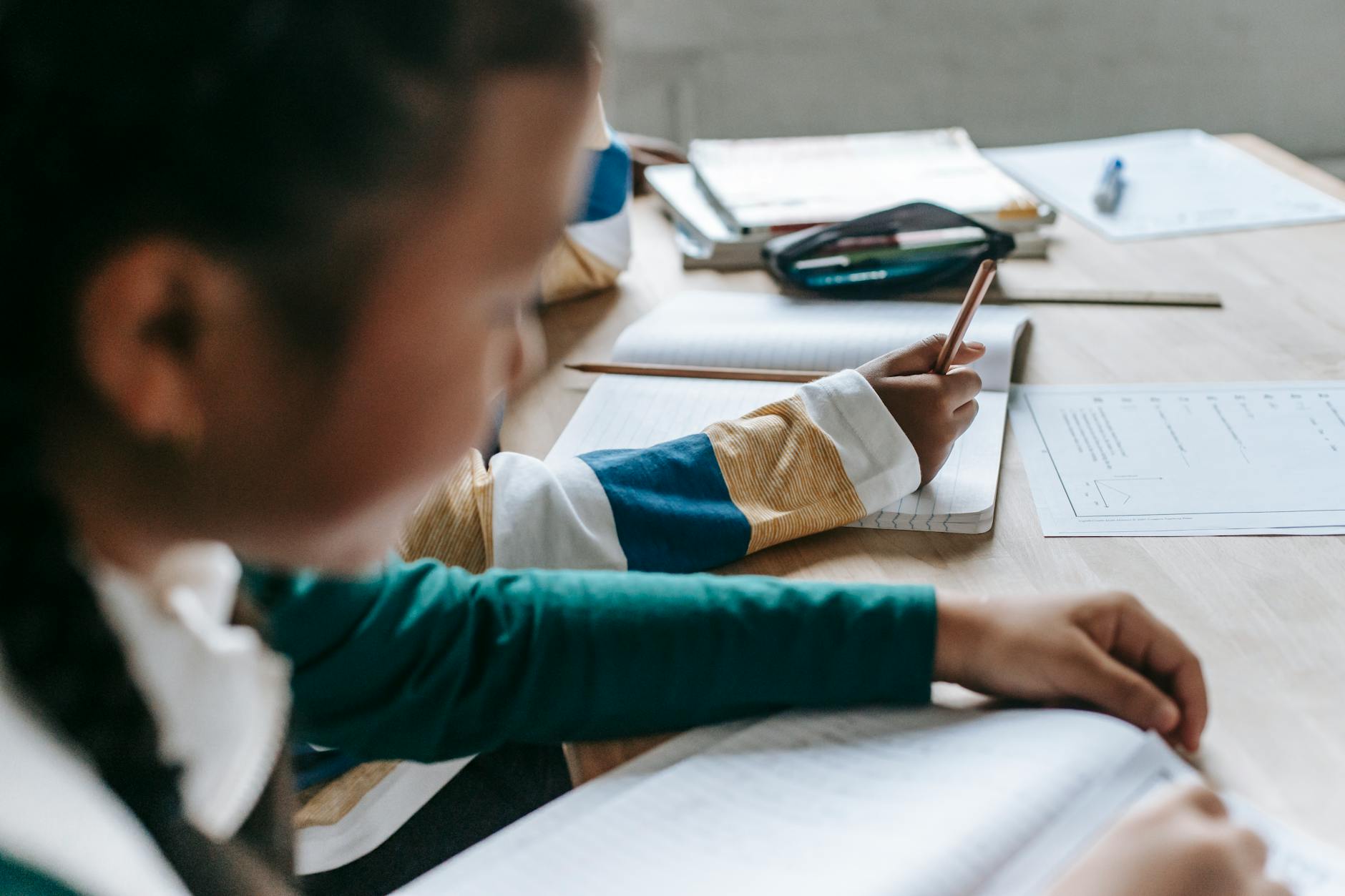
Starting this September, Russian elementary schools will roll out an innovative extracurricular course called “My Family.” Designed for students in grades 1 to 4, this initiative seeks to foster an understanding of family dynamics and values among young learners. The course is a response to the evolving landscape of family structures in Russia and aims to equip children with the skills to navigate these changes.
Understanding the Course 📚
The “My Family” course is set to become a staple in the curriculum for early education in Russia. Tatyana Polikarpova, the course’s creator, emphasized the importance of teaching children about family structures and relationships. This program will utilize various educational materials to engage students and help them explore their own family backgrounds.
The course aims to create a supportive environment where children can learn about different family types, including single-parent households, extended families, and blended families. By doing so, it encourages students to appreciate the diversity of family life in contemporary society.
Key Features of the Course
- Interactive Learning: The course will incorporate activities that promote discussion and personal reflection. For instance, students might participate in storytelling sessions where they share their family traditions or create family trees to visualize their lineage.
- Cultural Awareness: Students will explore how family dynamics vary across different cultures. This could include lessons on how holidays are celebrated differently around the world, showcasing the unique customs and traditions that families uphold.
- Emotional Intelligence: The curriculum will focus on developing empathy and understanding among peers. Activities may include role-playing scenarios where students practice conflict resolution and learn to express their feelings in a constructive manner.
Importance of Family Education 👪
The introduction of this course comes at a crucial time when discussions about family structures are more relevant than ever. With the rise of diverse family units, including same-sex parents and multi-generational households, it’s essential for children to understand and respect these differences. The “My Family” course is not just about learning; it’s about building a foundation of respect and acceptance.
Moreover, this initiative aligns with broader educational goals in Russia, which aim to equip students with the skills necessary for navigating social relationships. According to recent statistics, approximately 30% of families in Russia are single-parent households, highlighting the need for educational programs that reflect this reality. By integrating family education into the curriculum, schools are taking a proactive approach to fostering a more inclusive society.
Cultural Insights
In Russia, the concept of family has traditionally been rooted in collectivism, where extended families often live together or maintain close ties. However, as urbanization increases and societal norms evolve, the definition of family is expanding. The “My Family” course acknowledges this shift and aims to prepare children for a world where family structures are varied and complex.
Quick Takeaways 📌
- The “My Family” course will be available in Russian schools starting September.
- It aims to teach children about various family structures.
- The program promotes emotional intelligence and cultural awareness.
- It reflects the growing diversity of family units in contemporary Russia.
- The course encourages respect and empathy among young learners.
FAQ ❔
What age group is the “My Family” course designed for?
The course is specifically tailored for students in grades 1 to 4, targeting young learners aged approximately 6 to 10 years old.
How will the course be implemented in schools?
Schools will receive educational materials and guidelines to effectively teach the course, ensuring that all students can engage with the content meaningfully. Teacher training sessions will also be conducted to equip educators with the necessary tools to facilitate discussions around family dynamics.
Why is family education important for young students?
Family education is crucial as it helps children understand the diverse structures of families in society, fostering empathy and respect for others from a young age. By learning about different family types, students can develop a sense of belonging and acceptance, which is vital for their emotional well-being.
Will parents be involved in the “My Family” course?
Yes, parental involvement is encouraged. Schools may organize family days or workshops where parents can participate in discussions and activities alongside their children. This collaboration can strengthen family bonds and reinforce the lessons learned in the classroom.
How does this course align with global educational trends?
The “My Family” course aligns with global educational trends that emphasize social-emotional learning (SEL) and cultural competence. Many countries are recognizing the importance of teaching children about diversity and inclusion, making this initiative timely and relevant on an international scale.
As the “My Family” course prepares to launch, it represents a significant step towards enriching the educational landscape in Russia. By focusing on family values and dynamics, this initiative aims to equip the next generation with the understanding and skills needed to thrive in a diverse world. The course not only addresses the immediate educational needs but also contributes to the long-term goal of fostering a more inclusive and empathetic society.