
The Truth Behind Imitation Crab Sticks: Ingredients and Production
Discover the real ingredients and production process of imitation crab sticks, a staple in Russian cuisine. Discover why it matters and what happens next.
- BackZee
- 5 min read
TL;DR 🚀
Make sure to check our deep dive on why this matters.
- Imitation crab sticks contain no actual crab meat.
- The primary ingredient is surimi, a refined fish protein.
- Understanding the ingredients can help you make healthier choices.
- Look for higher surimi content and fewer additives for better quality.
- Moderation is key when incorporating imitation crab sticks into your diet.
Imitation crab sticks are a common sight on Russian tables, often found in salads or as a snack. However, many people might be surprised to learn that these popular treats contain no real crab at all. Let’s dive into what they’re actually made of, how they’re produced, and whether they fit into a healthy diet.
What Are Imitation Crab Sticks? 🦀
Imitation crab sticks, or surimi, have a rich history that dates back to Japan in the 12th century. The modern version we know today was developed in 1973 by the company Sugiyo. Surimi is essentially a concentrated fish protein, typically derived from white ocean fish like pollock, hake, or sardines.
The process begins with the fish being filleted, then the flesh is thoroughly washed in cold water to eliminate fat, enzymes, and any water-soluble substances that might impart an undesirable taste or smell. The result is a flavorless, odorless protein that, when heated, transforms into a firm gel-like substance. This is the base for imitation crab sticks, and the higher the surimi content, the better the quality of the product.
Ingredients Breakdown
While surimi is the main ingredient, other components are added to enhance flavor, color, and texture. Common additives include starch, egg whites, and various seasonings. It’s essential to check the packaging for a complete list of ingredients, as this can vary significantly between brands.
- Higher surimi content = better quality
- Additives can include starch and flavorings
- Check labels for transparency on ingredients
For instance, some brands may use natural flavors derived from seafood to mimic the taste of crab, while others may rely on artificial flavoring agents. Additionally, color additives such as paprika or beet juice may be used to give the sticks a more appealing appearance, resembling the pink hue of real crab meat.
Choosing Healthier Options 🌱
When shopping for imitation crab sticks, it’s crucial to be informed about what you’re buying. Look for products with a higher percentage of surimi and fewer artificial additives. Many brands will proudly display their surimi content on the packaging, which can help you make a more informed choice.
According to a study by the Food and Drug Administration (FDA), the average imitation crab stick contains about 30-40% surimi, while higher-end brands can boast up to 60% or more. This variance can significantly affect the flavor and nutritional profile of the product.
Additionally, if you’re on a diet, you might wonder if these sticks can fit into your meal plan. While they are lower in calories compared to real crab, they can still be high in sodium and preservatives. For example, a typical serving of imitation crab sticks can contain around 500-600 mg of sodium, which is about 25% of the recommended daily intake. Moderation is key, and pairing them with fresh vegetables can create a balanced dish.
Quick Takeaways 📌
- Imitation crab sticks are primarily made from surimi.
- They contain no actual crab meat.
- Quality varies based on surimi content and additives.
- Always read labels for healthier choices.
- Pair with fresh ingredients to balance sodium intake.
Cultural Insights 🌍
In Russia and many other countries, imitation crab sticks have become a staple ingredient in various dishes, particularly in salads like “Olivier” and “Crab Salad.” These dishes often evoke nostalgia and are associated with festive occasions. The affordability and versatility of imitation crab sticks make them a popular choice for families looking to prepare meals on a budget.
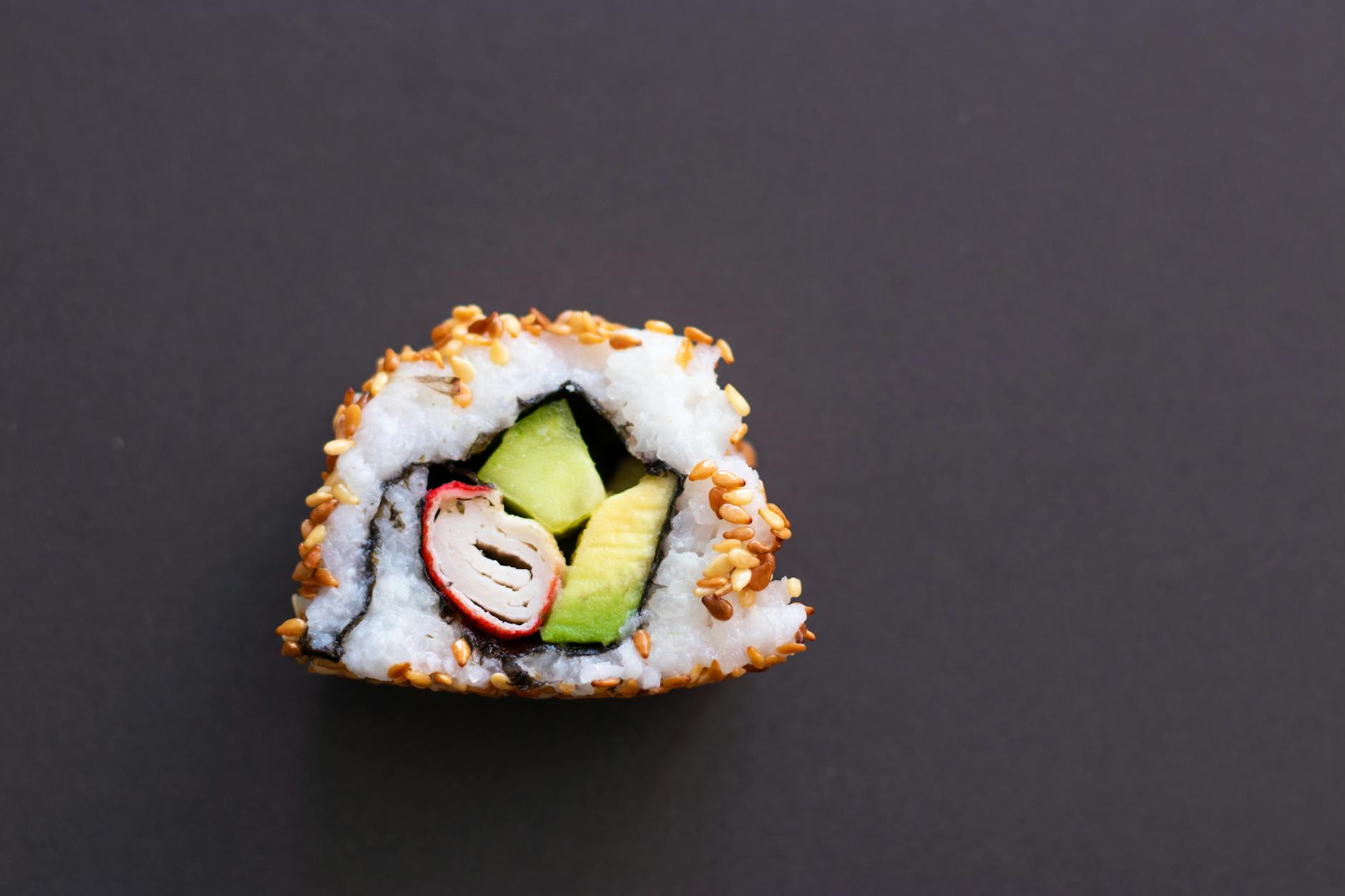
Interestingly, the popularity of imitation crab extends beyond Russia. In the United States, they are commonly used in sushi rolls, particularly in California rolls, where they provide a seafood flavor without the higher cost of real crab. This adaptability has made imitation crab a global phenomenon, transcending cultural boundaries and culinary traditions.
FAQ ❔
What is surimi?
Surimi is a fish-based protein that has been washed and processed to remove fat and odor, creating a neutral-tasting ingredient used in various seafood products, including imitation crab sticks.
Are imitation crab sticks healthy?
While they can be lower in calories than real crab, they often contain high levels of sodium and preservatives. It’s best to consume them in moderation and pair them with healthier ingredients.
How can I use imitation crab sticks in recipes?
Imitation crab sticks are versatile and can be used in salads, sushi, or as a topping for various dishes. They can add flavor and texture without the need for real seafood.
Can I freeze imitation crab sticks?
Yes, imitation crab sticks can be frozen, but it’s best to consume them fresh for optimal texture and flavor. If frozen, they should be thawed in the refrigerator before use.
Are there vegetarian alternatives to imitation crab?
While traditional imitation crab is made from fish, there are vegetarian alternatives available that use plant-based proteins to mimic the texture and flavor of seafood. These products are often labeled as “vegan crab” or “plant-based crab.”
By understanding the ingredients and production process behind imitation crab sticks, you can make smarter choices that align with your dietary needs and preferences. Whether you enjoy them as a snack or as part of a meal, knowing what’s in your food is always a win!