
Major Food Safety Violations Found in 64% of Ready-to-Eat Samples
A recent report reveals alarming food safety violations in ready-to-eat meals across the country, raising concerns for consumers. Discover why it matters for Ge
- BackZee
- 5 min read
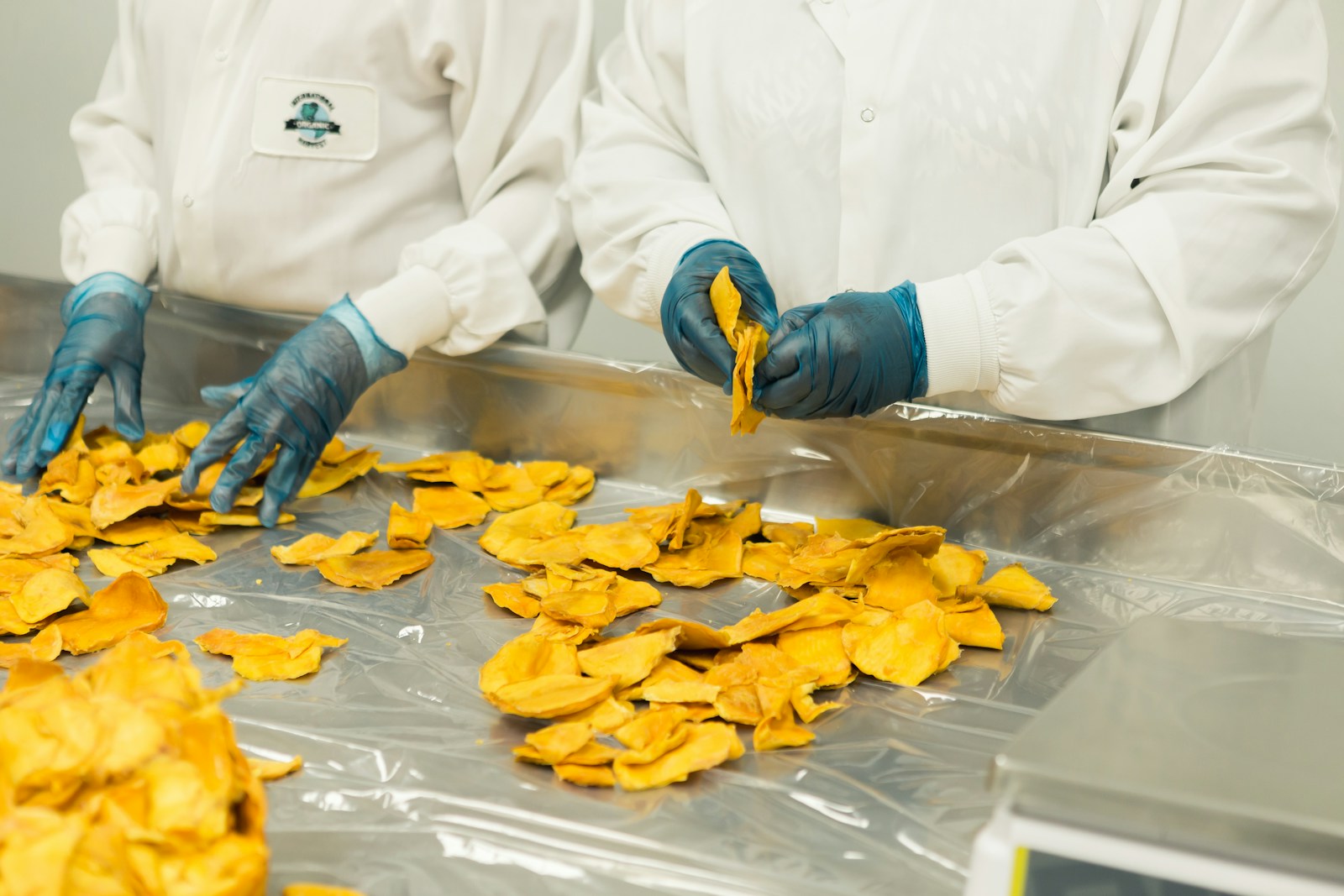
TL;DR 🚀
Make sure to check our deep dive on why this matters.
- 64% of ready-to-eat food samples failed safety inspections.
- Rospotrebnadzor highlights critical health risks for consumers.
- Increased scrutiny on food production standards is essential.
- Consumers must be proactive in ensuring food safety.
- Stricter regulations and transparency in food production are urgently needed.
A recent investigation by Rospotrebnadzor has uncovered troubling food safety violations in ready-to-eat meals, with a staggering 64% of samples not meeting health standards. This alarming statistic raises significant concerns for consumers who rely on these convenient options for their meals. The findings not only reflect the current state of food safety but also highlight the urgent need for reform and increased consumer awareness.
Alarming Findings 📊
The report from Rospotrebnadzor, the Russian Federal Service for Surveillance on Consumer Rights Protection and Human Wellbeing, indicates a widespread issue in the food industry. The agency conducted extensive testing on various ready-to-eat products, revealing that a majority failed to comply with established safety regulations.
Among the violations found, microbial contamination was a major concern, with many samples showing harmful bacteria levels that could pose serious health risks. For instance, pathogens such as Salmonella and E. coli were detected in several products, which can lead to severe foodborne illnesses. Additionally, some products were found to contain excessive preservatives and other harmful additives that could affect consumer health over time. According to the World Health Organization, foodborne diseases affect an estimated 600 million people worldwide each year, underscoring the importance of stringent food safety measures.
The findings have prompted calls for stricter regulations and oversight in the food production sector. Consumers are increasingly aware of what they eat, and these results highlight the need for transparency and accountability in food safety practices. In a world where convenience often trumps quality, the importance of safe food cannot be overstated.
The Importance of Food Safety 🥗
Food safety is a critical aspect of public health, and the recent findings underscore its importance. Consumers deserve to know that the meals they purchase are safe and nutritious. The prevalence of violations in ready-to-eat meals raises questions about the quality control measures in place at food production facilities.
To address these issues, Rospotrebnadzor has recommended that food manufacturers implement more rigorous testing protocols and improve their production processes. This includes regular inspections and adherence to safety standards that protect consumers from potential health hazards. For example, manufacturers could adopt Hazard Analysis and Critical Control Points (HACCP) systems, which focus on identifying and controlling potential hazards throughout the production process.
Moreover, consumers should remain vigilant and informed about the products they choose. Checking labels, understanding ingredient lists, and being aware of any recalls can help ensure that the food they consume is safe. For more insights on food safety, check out our post on /posts/food-safety-tips.
Cultural Insights 🌍
Food safety practices can vary significantly across cultures. In many countries, traditional food preparation methods prioritize freshness and hygiene, while others may rely heavily on processed foods. For instance, in Japan, there is a strong emphasis on seasonal ingredients and meticulous food handling practices, which contribute to lower rates of foodborne illnesses. Conversely, in regions where ready-to-eat meals are more prevalent, the reliance on convenience can sometimes overshadow the importance of safety. This cultural disparity highlights the need for global standards in food safety that can adapt to local practices while ensuring consumer protection.
Quick Takeaways 📌
- 64% of ready-to-eat food samples failed safety tests.
- Microbial contamination and harmful additives were common issues.
- Stricter regulations are needed to protect consumer health.
- Consumers should actively check for recalls and read labels.
- Cultural differences in food safety practices highlight the need for global standards.
FAQ ❔
What does Rospotrebnadzor do?
Rospotrebnadzor is responsible for monitoring and enforcing consumer rights and health standards in Russia. They conduct inspections and tests to ensure food safety and public health. This agency plays a crucial role in safeguarding consumer interests and ensuring that food products meet established safety criteria.
How can consumers protect themselves from unsafe food?
Consumers can protect themselves by reading labels carefully, staying informed about recalls, and choosing products from reputable brands. It’s also wise to be cautious with ready-to-eat meals, especially if they lack clear ingredient information. Additionally, engaging in community awareness programs about food safety can empower consumers to make informed choices.
What should food manufacturers do in response to these findings?
Food manufacturers should enhance their quality control measures, conduct regular safety inspections, and comply with health regulations to ensure their products are safe for consumers. Transparency in food production practices is essential for rebuilding consumer trust. Moreover, investing in training for employees on food safety standards can significantly reduce the risk of violations.
In conclusion, the findings from Rospotrebnadzor serve as a wake-up call for both consumers and food manufacturers. With a significant percentage of ready-to-eat meals failing safety inspections, it’s crucial to prioritize food safety and ensure that the meals we consume are not only convenient but also safe and healthy. As consumers, we must advocate for better practices and hold manufacturers accountable to protect our health and well-being.