
Expert Warns: Tick Season is Here – What You Need to Know
As tick season kicks off, experts share crucial tips for staying safe and avoiding bites this spring. Discover why it matters and what happens next.
- BackZee
- 4 min read
TL;DR 🚀
Make sure to check our deep dive on why this matters.
- Tick season is officially starting, raising health concerns.
- Experts advise on prevention methods to avoid tick bites.
- Awareness and precautions are key to enjoying outdoor activities safely.
- Lyme disease cases have increased by 300% in the last two decades.
- Regular tick checks and protective measures can significantly reduce tick bites.
As spring approaches, so does the season of ticks, and experts are sounding the alarm. With warmer weather, these pests become more active, posing potential health risks to those who enjoy outdoor activities. Understanding how to protect yourself from ticks is crucial for a safe and enjoyable spring.
Tick Season Alert! 🕷️
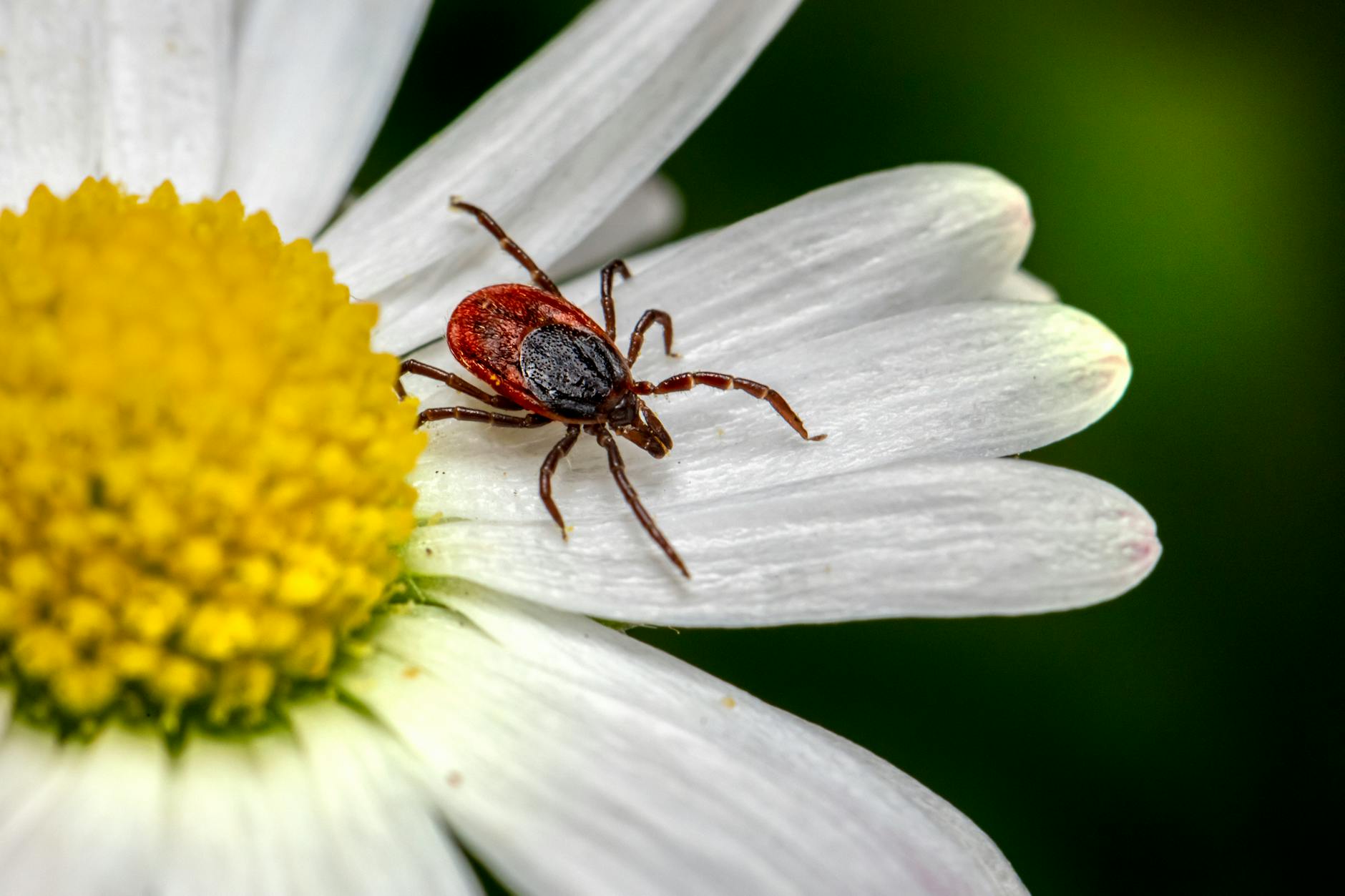
With the arrival of spring, ticks are emerging from their winter dormancy, and this is the time when they are most active. According to experts from Moscow State University, the rise in temperatures signals the beginning of tick season, which can last for several months.
Ticks are not just a nuisance; they can transmit serious diseases such as Lyme disease and tick-borne encephalitis. In fact, the Centers for Disease Control and Prevention (CDC) reports that Lyme disease cases have increased by over 300% in the last two decades, making awareness essential to prevent bites and the potential health issues that follow. Here are some tips to keep in mind:
- Wear protective clothing: Long sleeves and pants can help shield your skin. Opt for light-colored clothing to make it easier to spot ticks.
- Use insect repellent: Products containing DEET or permethrin are effective against ticks. Apply repellent to exposed skin and clothing, and reapply as directed.
- Stay on marked trails: Avoid tall grass and dense vegetation where ticks are likely to be found. When hiking, stick to the center of trails and avoid brushing against vegetation.
Prevention is Key! 🚫
To further minimize your risk, it’s important to conduct tick checks after spending time outdoors. Inspect your body and clothing thoroughly, as ticks can be as small as a poppy seed. Pay special attention to areas such as behind the ears, under the arms, and around the waist. If you find a tick, it’s crucial to remove it properly to reduce the chance of disease transmission. For more detailed guidance on tick removal, check out our post on /posts/tick-removal-tips.
Cultural Insights 🌍
In many cultures, outdoor activities are a cherished part of spring. From picnics in the park to hiking in the mountains, these experiences are often associated with family bonding and community gatherings. However, the rise in tick populations has prompted a cultural shift towards increased awareness and education about outdoor safety. Community workshops and local health initiatives are becoming more common, aiming to educate the public about the risks associated with ticks and how to prevent bites.
Quick Takeaways 📌
- Tick season typically peaks in spring and early summer.
- Lyme disease cases have surged, highlighting the importance of prevention.
- Regular checks and protective measures can significantly reduce tick bites.
- Understanding tick habitats can help you avoid them.
- Community awareness initiatives are on the rise to combat tick-related health issues.
FAQ ❔
What diseases can ticks transmit?
Ticks can transmit several diseases, the most notable being Lyme disease, Rocky Mountain spotted fever, and anaplasmosis. Lyme disease, in particular, can lead to serious health complications if not treated promptly. Symptoms may include fever, headache, fatigue, and a characteristic skin rash known as erythema migrans.
How can I safely remove a tick?
To safely remove a tick, use fine-tipped tweezers to grasp the tick as close to the skin’s surface as possible. Pull upward with steady, even pressure. Avoid twisting or jerking the tick, as this can cause parts of the tick to break off and remain in the skin. Clean the bite area and your hands with rubbing alcohol or soap and water after removal. It’s also advisable to monitor the bite area for any signs of infection or rash.
When should I see a doctor after a tick bite?
If you experience symptoms such as fever, rash, or flu-like symptoms within weeks of a tick bite, it’s important to consult a healthcare professional. Early detection and treatment can prevent more severe health issues. Additionally, if you are unsure whether the tick you removed was a species that can transmit disease, it’s wise to seek medical advice.
Are there specific regions where ticks are more prevalent?
Yes, ticks are more prevalent in certain regions, particularly in wooded or grassy areas. The northeastern and north-central United States are known hotspots for Lyme disease. However, ticks can be found in many areas across the country, so it’s essential to be vigilant regardless of your location.
As we embrace the warmer weather, staying informed about tick activity is essential for anyone who loves the outdoors. By taking preventive measures and being vigilant, you can enjoy your spring adventures while keeping ticks at bay. Remember, knowledge is your best defense against these tiny but potentially dangerous pests.