
New E-Scooter Rental Verification via State Services Launches
New verification system for e-scooter rentals through State Services aims to enhance user safety and accountability. Discover why it matters and what happens ne
- BackZee
- 5 min read
TL;DR 🚀
Make sure to check our deep dive on why this matters.
- New verification system for e-scooter rentals is being implemented.
- Users will authenticate their identity through State Services.
- The move aims to improve safety and accountability in rentals.
- The initiative is part of a broader trend in urban mobility regulation.
- Only verified users will have access to e-scooters, fostering a responsible riding culture.
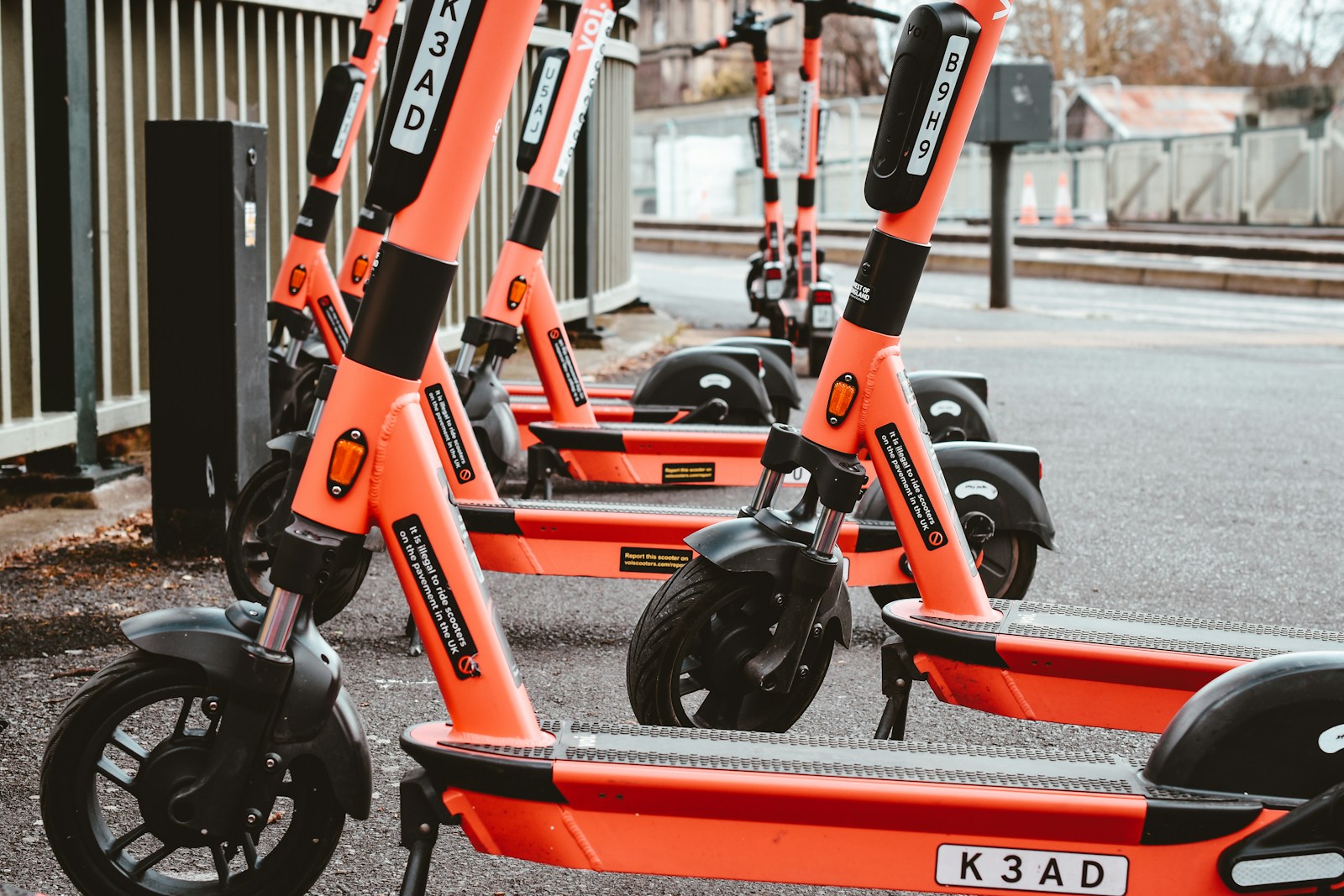
In an effort to enhance safety and accountability in the e-scooter rental market, a new verification system is set to roll out. This initiative will require users to confirm their identities via State Services, marking a significant shift in how rentals are managed. As cities worldwide grapple with the challenges of urban mobility, this step represents a proactive approach to ensuring that e-scooter usage remains safe and responsible.
Enhanced Safety Measures 🛴
The introduction of identity verification for e-scooter rentals is a game-changer. By mandating users to authenticate through State Services, the authorities aim to reduce incidents of misuse and promote responsible riding. This system is expected to deter reckless behavior, as riders will be held accountable for their actions.
The verification process is straightforward. Users will need to link their rental accounts with their State Services profiles, ensuring that only verified individuals can rent scooters. This step not only enhances user safety but also builds trust within the community.
- Accountability: Riders will be responsible for their actions. If a rider is involved in an accident or violates traffic laws, their identity can be traced back to them, promoting responsible behavior.
- User Trust: Verified users create a safer environment. When individuals know that their identities are linked to their rentals, they are more likely to treat the scooters with respect and care.
- Reduced Misuse: Deters irresponsible behavior. The fear of losing access to rental services due to misconduct will encourage users to adhere to safety guidelines.
A Global Perspective 🌍
The push for verification in e-scooter rentals is not limited to one region. Cities around the globe are implementing similar measures. For instance, in cities like Paris and San Francisco, e-scooter companies have begun requiring users to provide identification before renting. According to a report by the International Transport Forum, cities that have adopted stricter regulations have seen a 30% decrease in accidents involving e-scooters.
Moreover, the integration of technology into urban mobility solutions is on the rise. A study from McKinsey & Company indicates that the global e-scooter market is projected to reach $41 billion by 2028, driven by increased demand for sustainable transportation options. As urban areas continue to embrace e-scooters as a viable mode of transportation, the need for effective regulation becomes increasingly evident.
The Future of E-Scooter Rentals 🔮
This new verification system is part of a broader trend towards smart mobility solutions. With more cities adopting similar measures, the landscape of e-scooter rentals is poised for transformation. The initiative aligns with global efforts to improve urban mobility and reduce traffic congestion.
By ensuring that only verified users can access e-scooters, cities can better manage their fleets and promote safer riding practices. This is particularly important as e-scooters become more integrated into public transportation networks. For instance, cities like Austin, Texas, have begun to incorporate e-scooters into their public transit systems, allowing users to seamlessly transition from buses to scooters.
Cultural Insights 🏙️
The cultural acceptance of e-scooters varies significantly from one city to another. In European cities, e-scooters are often seen as a trendy and eco-friendly alternative to cars, while in some U.S. cities, they face resistance due to safety concerns and clutter on sidewalks. The introduction of a verification system could help bridge this cultural divide by fostering a sense of responsibility among users.
Quick Takeaways 📌
- The verification system is aimed at enhancing user safety.
- Only verified users will be able to rent e-scooters.
- This initiative reflects a growing trend in urban mobility regulation.
- Global examples show a decrease in accidents with stricter regulations.
- Cultural acceptance of e-scooters varies, and verification can foster responsibility.
FAQ ❔
What is the purpose of the new verification system?
The new verification system aims to enhance safety and accountability in e-scooter rentals by requiring users to authenticate their identities through State Services. This is intended to create a safer riding environment and reduce incidents of misuse.
How does the verification process work?
Users will link their rental accounts to their State Services profiles, ensuring that only verified individuals can rent e-scooters. This process is designed to be user-friendly, allowing for quick verification while maintaining security.
Will this affect the availability of e-scooters?
While the verification process may initially slow down rentals, it is expected to create a safer and more responsible riding environment, ultimately benefiting users in the long run. The increased accountability is likely to lead to a reduction in accidents and misuse.
How will this impact the overall e-scooter rental market?
As more cities adopt similar verification measures, the e-scooter rental market may see a shift towards more responsible usage. Companies that implement these systems could gain a competitive edge by attracting safety-conscious users and reducing liability issues.
Are there any penalties for misuse of the e-scooter rental system?
Yes, users who violate rental agreements or engage in reckless behavior may face penalties, including suspension of their rental privileges or fines. This accountability is crucial for maintaining a safe and responsible riding culture.