
Russians Rank Security Guard, Accountant, and Salesperson as Dulles...
A recent survey reveals that Russians find security guards, accountants, and salespeople to be the least exciting professions. Discover why it matters and what
- BackZee
- 5 min read
TL;DR 🚀
Make sure to check our deep dive on why this matters.
- Russians have identified the most tedious professions.
- Security guards, accountants, and salespeople top the list.
- The survey highlights perceptions of job excitement across the country.
- A growing desire for more engaging career paths is evident.
- Traditional roles are being reconsidered in light of new job market trends.
In a recent survey, Russians have spoken out about their views on job excitement, revealing that they consider security guards, accountants, and salespeople to be the most monotonous professions. This insight sheds light on the broader attitudes toward work culture in Russia, reflecting a desire for more engaging career paths. The survey, conducted by a leading employment research firm, gathered responses from over 1,500 participants across various regions, providing a comprehensive view of job perceptions in the country.
The Dullest Professions in Russia 🥱
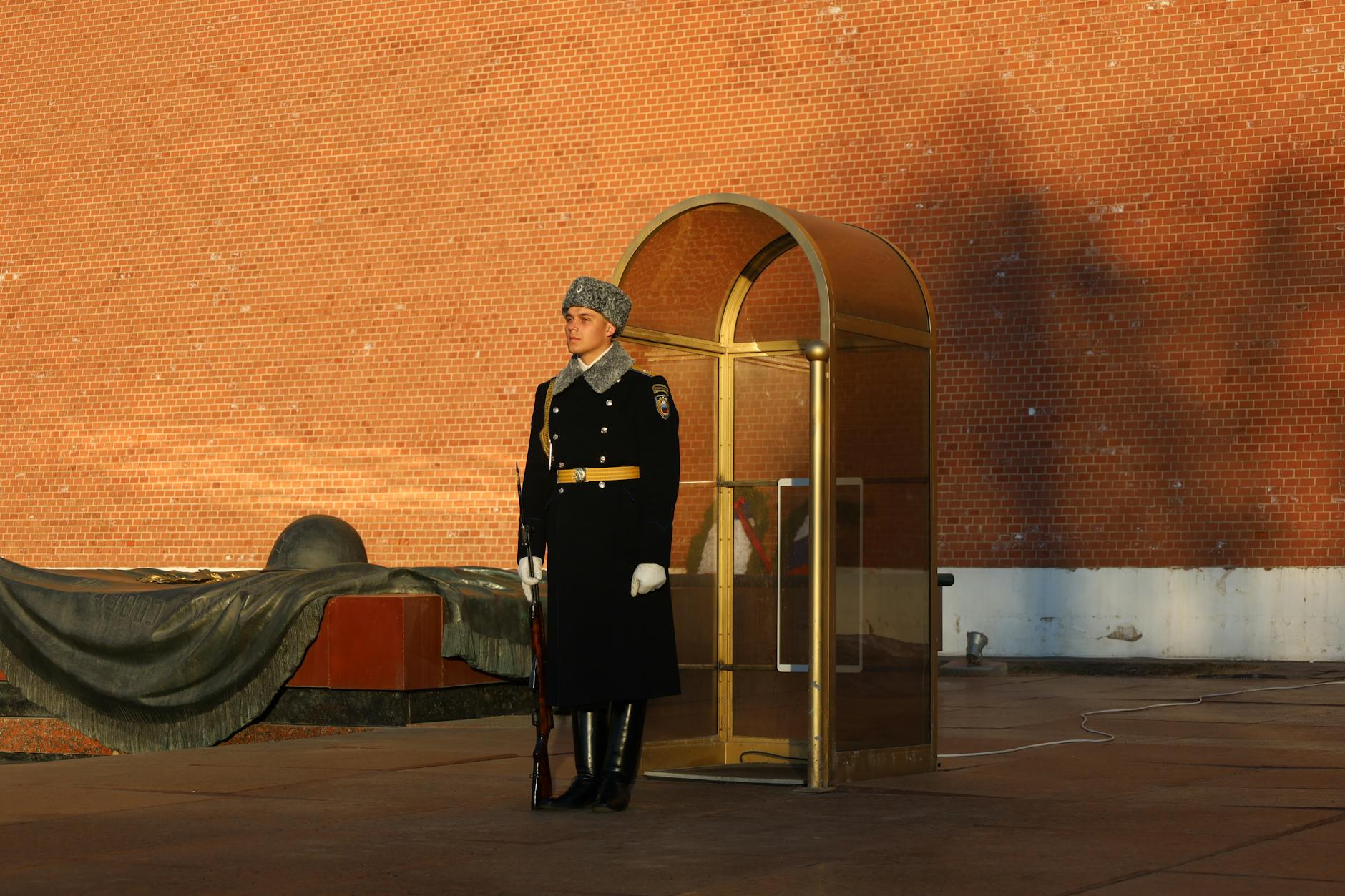
According to the survey, security guards are perceived as the least thrilling job, often associated with long hours of inactivity and minimal interaction. In many cases, security guards are stationed at entrances or monitoring CCTV feeds, leading to a sense of isolation and monotony. Following closely are accountants, whose roles are often seen as tedious due to repetitive tasks such as data entry, compliance checks, and financial reporting. The strict regulations governing financial practices can further contribute to the perception of dullness in this profession. Lastly, salespeople are viewed as lacking excitement, possibly due to the routine nature of their work, which often involves repetitive sales pitches and customer interactions that can feel formulaic.
These findings raise questions about the perceptions of job satisfaction in Russia. Many individuals seek careers that offer more than just a paycheck; they desire roles that provide a sense of purpose and excitement. The survey indicates a clear trend: jobs that involve less interaction or creativity are often deemed less appealing. In a country where the average workweek is around 40 hours, the significance of job satisfaction cannot be overstated.
Factors Influencing Job Perception
Several factors contribute to the perception of certain jobs as dull:
-
Work Environment: A dull workplace can significantly impact job satisfaction. For instance, a security guard’s post in a quiet building may feel isolating, while an accountant working in a vibrant office with collaborative spaces may feel more engaged.
-
Career Growth: Positions with limited advancement opportunities may feel stagnant. In many cases, accountants may feel trapped in a cycle of monotonous tasks without clear pathways to promotion or skill development.
-
Public Interaction: Roles that lack social engagement often rank lower in excitement. Salespeople, while interacting with customers, may find the repetitive nature of their interactions to be uninspiring, especially if they are not empowered to innovate in their sales techniques.
The Quest for Excitement in Careers 🌟
As the job market evolves, many Russians are on the lookout for careers that offer creativity and engagement. The desire for more stimulating work environments is evident, with many professionals seeking roles that allow for personal growth and interaction. The rise of digital platforms and remote work has also shifted the landscape, enabling individuals to explore careers that were previously inaccessible.
Interestingly, the survey also highlights a shift in attitudes toward traditional professions. With the rise of technology and remote work, many are reconsidering what constitutes an exciting job. For instance, roles in tech, creative industries, and even entrepreneurship are gaining traction as more appealing alternatives. According to a report by the Russian Ministry of Labor, the technology sector is expected to grow by 20% over the next five years, indicating a shift in job desirability.
Quick Takeaways 📌
- Security guards are seen as the most boring job in Russia.
- Accountants and salespeople follow closely behind.
- There is a growing demand for more engaging career options.
- The rise of technology and remote work is reshaping job perceptions.
- Traditional roles are being re-evaluated in light of new opportunities.
FAQ ❔
What factors contribute to the perception of boring jobs?
Factors such as limited interaction, repetitive tasks, and lack of career growth can lead to perceptions of boredom in various professions. For example, a security guard’s routine may involve long hours of surveillance with little variation, while an accountant may find the cyclical nature of financial reporting to be uninspiring.
How do Russians view job satisfaction?
Many Russians are increasingly seeking careers that provide excitement, creativity, and opportunities for personal development. This shift reflects a broader cultural change, where work is seen not just as a means to an end, but as a significant part of one’s identity and fulfillment.
Are there any professions that are considered exciting?
Yes, roles in technology, creative fields, and entrepreneurship are often viewed as more engaging and fulfilling compared to traditional jobs. For instance, software developers, graphic designers, and startup founders are frequently highlighted as professions that offer dynamic work environments and opportunities for innovation.
In conclusion, the survey results reflect a significant aspect of work culture in Russia, revealing a collective yearning for more engaging and fulfilling careers. As the landscape of employment continues to change, it will be interesting to see how these perceptions evolve and what new opportunities arise for those seeking excitement in their professional lives. The ongoing dialogue about job satisfaction and engagement will likely shape the future of work in Russia, encouraging both employers and employees to rethink what makes a job truly rewarding.