
The Xbox Duke: A Giant Misstep in Gaming History
Explore the legacy of the Xbox Duke, the iconic yet uncomfortable controller that marked the start of Xbox gaming. Discover why it matters and what happens next
- BackZee
- 5 min read
TL;DR 🚀
Make sure to check our deep dive on why this matters.
- The Xbox Duke was the first controller for the original Xbox, launched in 2001.
- Its massive size and awkward design made it uncomfortable for many gamers.
- The Duke was quickly replaced due to its poor ergonomics, paving the way for better designs.
- The Duke’s legacy highlights the importance of user feedback in product development.
- Despite its flaws, the Duke remains a nostalgic piece of gaming history.
When the original Xbox launched in November 2001, it came with a controller that would soon become infamous: the Duke. This controller, known for its enormous size and unique design, failed to resonate with gamers, primarily due to its uncomfortable usability. Let’s dive into the history and legacy of this iconic piece of gaming hardware.
A Controller Like No Other 🎮
The Xbox Duke was a bold statement from Microsoft, showcasing a design that was both eye-catching and ambitious. The controller measured approximately 10 inches wide, making it one of the largest game controllers ever produced at that time. This size was intended to accommodate the needs of a diverse gaming audience, but it quickly became a point of contention. Many players found it difficult to handle, especially during intense gaming sessions. The controller’s layout, while innovative, did not cater to the ergonomic needs of gamers, leading to a less-than-ideal experience.
The Duke featured a large central Xbox button, which was a novel idea at the time, and a robust build that promised durability. However, the lack of comfort overshadowed these positives. Gamers often complained about hand fatigue and difficulty in reaching certain buttons, particularly the triggers and bumpers, which were positioned awkwardly for many users. This discomfort was exacerbated during long gaming sessions, where players reported cramping and soreness in their hands.
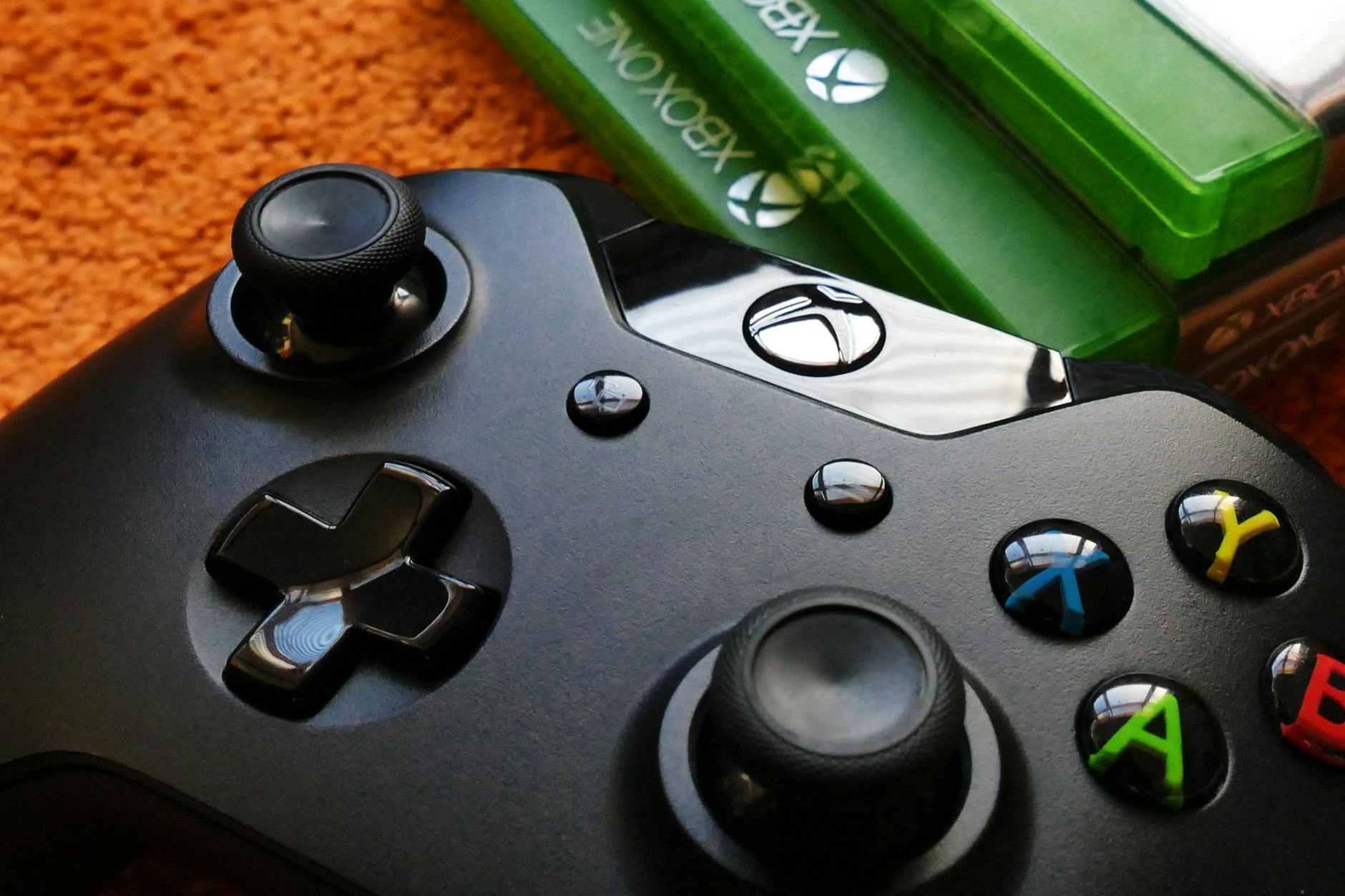
In terms of design, the Duke was a mix of boldness and impracticality. It sported a glossy black finish with green accents, aligning with the Xbox brand’s aesthetic. However, the sheer size and weight of the controller made it cumbersome, especially for younger gamers or those with smaller hands. The Duke’s design was a stark contrast to its contemporaries, such as the PlayStation 2’s DualShock controller, which was more compact and user-friendly.
The Quick Replacement 🔄
Recognizing the backlash, Microsoft acted swiftly. Just months after the Duke’s release, they introduced a more ergonomically designed controller known as the Xbox Controller S. Released in 2002, this new controller addressed many of the issues players faced with the Duke. It was smaller, lighter, and featured a more intuitive layout, which included repositioned buttons that were easier to reach. The Controller S became the standard for the Xbox and is often credited with helping to shape modern gaming controller design.
The rapid transition from the Duke to a more user-friendly option highlights the importance of user feedback in the gaming industry. It serves as a reminder that even the most innovative designs can fail if they don’t prioritize the player’s comfort and experience. The success of the Controller S demonstrated that Microsoft was willing to listen to its audience and adapt its products accordingly.
Quick Takeaways 📌
- The Xbox Duke was released alongside the original Xbox in 2001.
- Its size and design led to widespread discomfort among gamers.
- Microsoft quickly replaced the Duke with a more ergonomic controller, the Xbox Controller S.
- The Duke’s failure underscored the importance of user feedback in product design.
- Despite its flaws, the Duke remains a nostalgic piece of gaming history.
Cultural Impact and Legacy 🌍
The Duke’s legacy extends beyond its physical design. It represents a pivotal moment in gaming history where the industry began to recognize the importance of user experience. The backlash against the Duke prompted discussions about ergonomics in gaming hardware, influencing not just Microsoft but other companies as well.
For example, the Nintendo GameCube controller, released in 2001, took cues from the need for comfort and usability, featuring a more compact design and a unique button layout that catered to a wide range of players. Similarly, Sony’s DualShock 3 controller refined its design based on user feedback, resulting in a more comfortable grip and responsive buttons.
In terms of sales, the original Xbox sold over 24 million units worldwide, but the Duke’s reputation as an uncomfortable controller has lingered in gaming discussions. Many gamers who experienced the Duke fondly recall the challenges it presented, often sharing stories of their struggles with the controller during multiplayer sessions. This nostalgia has transformed the Duke into a collector’s item, with some enthusiasts seeking out the original controllers for their gaming setups.
FAQ ❔
What was the Xbox Duke?
The Xbox Duke was the original controller for the Xbox console, released in 2001. It was known for its large size and unique design but was criticized for its lack of comfort.
Why was the Duke controller replaced?
The Duke was replaced due to widespread complaints about its ergonomics. Gamers found it uncomfortable to use, prompting Microsoft to develop a more user-friendly controller shortly after its release.
How did the Duke influence future controllers?
The Duke’s shortcomings highlighted the need for ergonomic design in gaming controllers. This feedback led to the development of more comfortable and accessible controllers in the gaming industry.
Is the Duke controller still used today?
While the Duke is no longer used as a primary controller, it has gained a cult following among retro gaming enthusiasts and collectors. Some modern adaptations and remakes have even attempted to recapture the Duke’s unique design while improving its ergonomics.
What lessons can be learned from the Duke’s failure?
The Duke serves as a lesson in the importance of user-centered design. It underscores the necessity for companies to prioritize comfort and usability in their products, especially in an industry where player experience is paramount.
The Xbox Duke may not have been a success, but it played a crucial role in shaping the future of gaming controllers. Its legacy serves as a lesson in the importance of design and user experience in the gaming world. As we look back, it’s clear that even the most ambitious ideas can falter if they don’t meet the needs of their audience.