
Which Generation Revolutionized Video Games Forever?
Explore the generation that transformed video gaming with groundbreaking technology and innovation, changing the landscape forever. Discover why it matters and
- BackZee
- 5 min read
TL;DR 🚀
Make sure to check our deep dive on why this matters.
- The leap from 2D to 3D was monumental, but not the only significant change.
- Technological advancements have continually reshaped gaming experiences.
- Each generation has contributed uniquely to the evolution of video games.
The evolution of video games is a fascinating journey, marked by technological leaps and creative innovations. While many might argue that the transition from 2D to 3D graphics was the most significant moment in gaming history, the truth is that multiple generations have played crucial roles in shaping the industry as we know it today.
The 2D to 3D Shift 🎮
The transition from 2D to 3D gaming is often hailed as a defining moment in the industry. This shift allowed for more immersive environments and complex gameplay mechanics. However, it wasn’t just about graphics; it was about redefining player experiences.
With the introduction of 3D, developers began exploring new storytelling techniques and gameplay dynamics. Titles like “Super Mario 64” and “Final Fantasy VII” not only showcased the potential of 3D graphics but also set new standards for narrative depth and character development.
- Key Innovations:
- Enhanced graphics and animation that brought characters to life.
- New gameplay mechanics that leveraged 3D environments, such as camera control and spatial awareness.
- Richer storytelling and character arcs, allowing players to form emotional connections with in-game characters.
The impact of this transition can be quantified; for instance, “Super Mario 64” sold over 11 million copies, establishing a benchmark for future 3D platformers. Similarly, “Final Fantasy VII” is credited with popularizing JRPGs in the West, selling over 12 million copies and becoming a cultural phenomenon.
The Role of Each Generation 🌟
Every gaming generation has brought something unique to the table. From the early days of arcade games to the rise of home consoles, each era has contributed to the rich tapestry of gaming history.
The 8-bit era laid the groundwork with iconic titles and characters, such as “Pac-Man” and “Donkey Kong,” which not only defined gameplay mechanics but also introduced characters that became cultural icons. The 16-bit generation, with consoles like the Sega Genesis and Super Nintendo, introduced more sophisticated graphics, sound, and gameplay complexity, leading to classics like “The Legend of Zelda: A Link to the Past” and “Street Fighter II.”
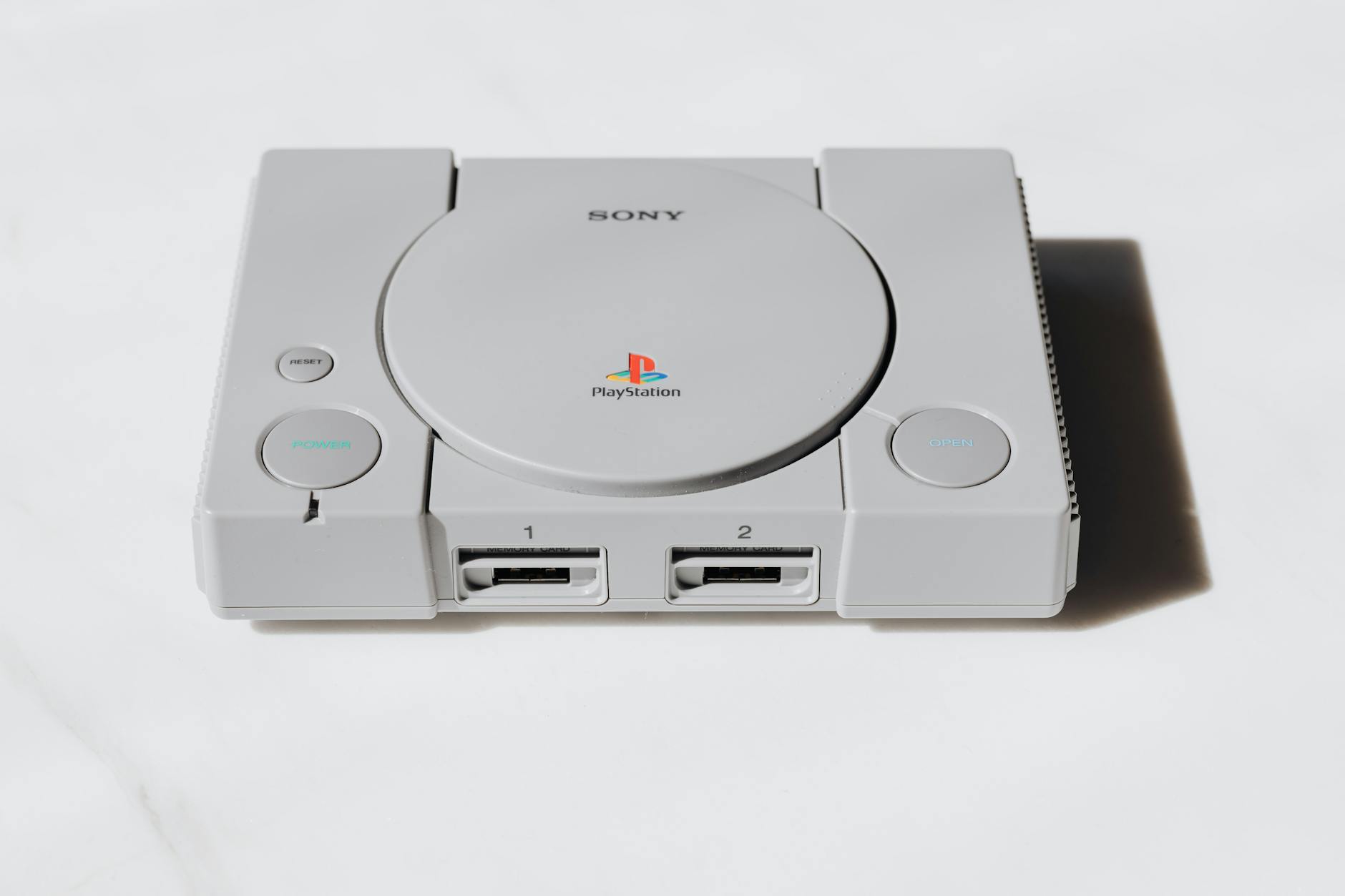
The PlayStation and Xbox era further pushed boundaries with online multiplayer experiences and expansive game worlds. Games like “Halo: Combat Evolved” revolutionized first-person shooters with their multiplayer capabilities, while “Grand Theft Auto III” opened the door to open-world gaming, allowing players to explore vast environments freely.
As technology advanced, so did the expectations of gamers. The introduction of virtual reality (VR) and cloud gaming is just the latest chapter in this ongoing evolution. The success of VR platforms like Oculus Rift and PlayStation VR has shown that immersive experiences are not just a novelty but a new frontier in gaming. In fact, the VR gaming market is projected to reach $12 billion by 2024, illustrating the growing demand for these experiences.
Quick Takeaways 📌
- The gaming industry has seen multiple transformative generations, each contributing to its evolution.
- Each era introduced unique technologies and gameplay styles, from 8-bit graphics to VR.
- The impact of these changes continues to resonate in modern gaming, influencing both game design and player expectations.
Cultural Insights and Impact 🌍
The cultural impact of video games cannot be overstated. They have become a significant part of contemporary culture, influencing everything from fashion to music. For instance, the rise of eSports has turned gaming into a spectator sport, with tournaments like The International for “Dota 2” offering multi-million dollar prize pools and drawing millions of viewers online.
Moreover, video games have also become a medium for social commentary. Titles like “The Last of Us” and “Bioshock” tackle complex themes such as morality, survival, and societal collapse, elevating gaming narratives to a level comparable to film and literature. This evolution has sparked discussions about the role of games in society, leading to a growing recognition of video games as a legitimate art form.
FAQ ❔
What was the most significant technological leap in gaming?
While many point to the shift from 2D to 3D, other innovations like online multiplayer and VR have also been pivotal in shaping the gaming landscape. The introduction of high-speed internet in the late 1990s allowed for online multiplayer experiences, which fundamentally changed how games were played and enjoyed.
How have gaming narratives evolved over the years?
Narratives have become increasingly complex, with modern games often featuring intricate plots and character development that rival traditional storytelling mediums. Games like “The Witcher 3: Wild Hunt” and “Red Dead Redemption 2” are prime examples of how video games can deliver rich, immersive stories that engage players on multiple levels.
What does the future hold for video games?
With advancements in AI, VR, and cloud gaming, the future promises even more immersive and interactive experiences for players. The rise of AI-driven NPCs (non-playable characters) could lead to more dynamic and responsive game worlds, while cloud gaming services like Google Stadia and NVIDIA GeForce NOW are set to make high-quality gaming more accessible to a broader audience.
The journey of video games is far from over, and as technology continues to evolve, so too will the experiences we cherish. Each generation has left an indelible mark, ensuring that gaming remains a dynamic and exciting field for years to come.