
The Scent of Gaming: Why Smell is Key to Retro Gaming Nostalgia
Exploring how scent enhances the retro gaming experience and evokes nostalgia. Discover why it matters and what happens next. Il profumo dei videogiochi: perché
- BackZee
- 5 min read
TL;DR 🚀
Make sure to check our deep dive on why this matters.
- The sense of smell plays a crucial role in retro gaming nostalgia.
- Unique scents from consoles and packaging evoke memories.
- Gamers are willing to invest in the olfactory experience of retro games.
- Scented gaming products are emerging as a new trend in the industry.
- The connection between scent and memory is scientifically backed.
When it comes to retro gaming, many enthusiasts focus on visuals and sounds, but there’s a hidden element that often gets overlooked: the sense of smell. This often-neglected sense can evoke powerful memories and emotions, making it a vital part of the gaming experience. Let’s dive into why the scent of retro games is so significant.
The Power of Scent in Gaming 🎮
Nostalgia is a powerful emotion, and for many gamers, the scent associated with their favorite consoles and games can trigger vivid memories. From the plastic of cartridges to the ink of manuals, these scents create a sensory connection that enhances the gaming experience.
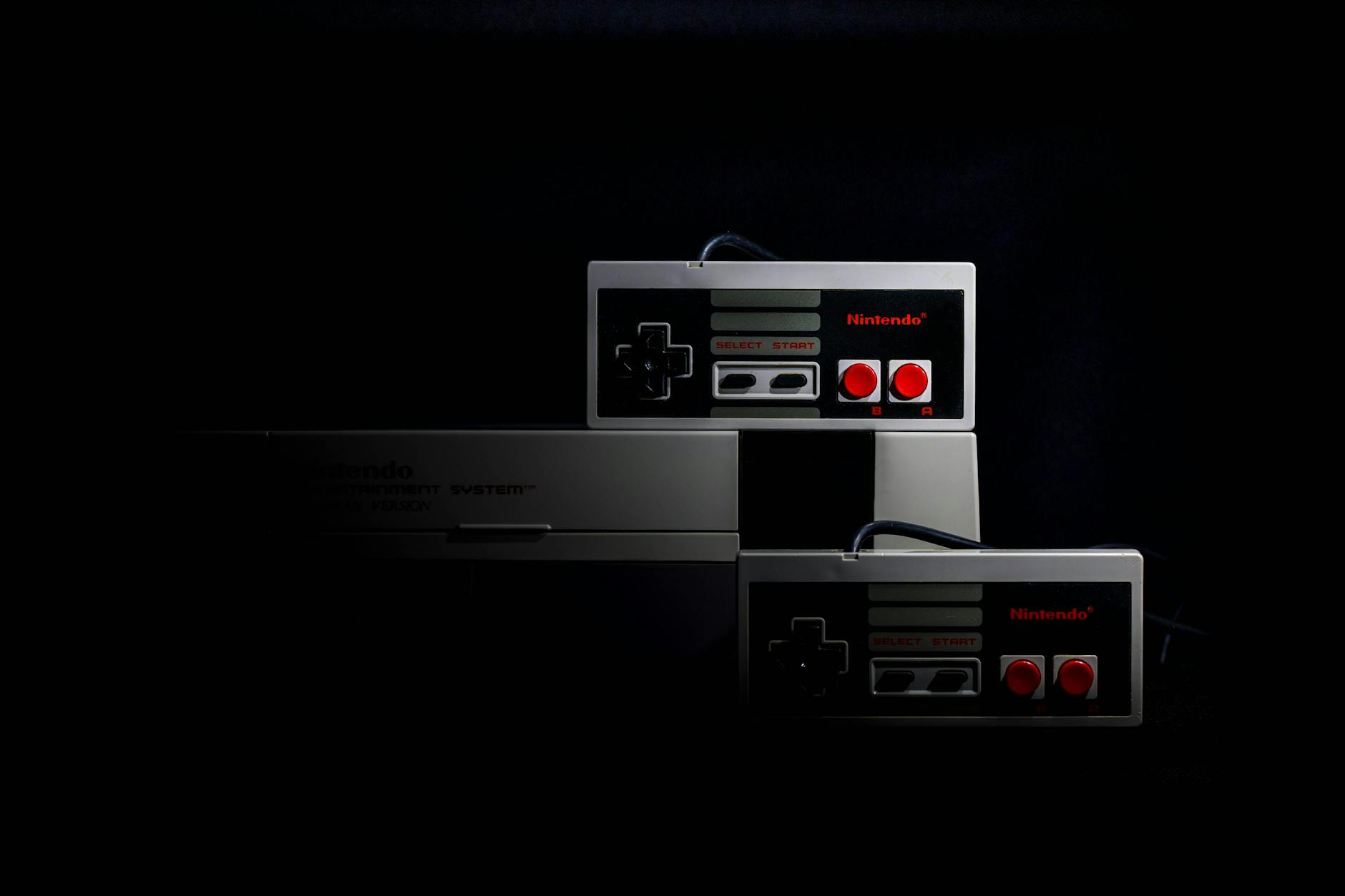
Many retro gamers have fond memories tied to the smell of their first console or the packaging of their favorite games. For instance, the distinct burnt plastic smell of an old NES console or the fresh ink scent of a newly unwrapped game manual can transport players back to their childhood living rooms, where they spent countless hours immersed in pixelated worlds. This olfactory nostalgia can even influence purchasing decisions, as collectors often seek out items that not only look and sound right but also smell right.
- Plastic smells from old consoles
- Ink scents from game manuals
- Cardboard aromas from packaging
These scents are more than just pleasant; they are reminders of simpler times and cherished moments spent gaming. A 2021 survey conducted by the International Game Developers Association found that 68% of gamers reported that certain smells could trigger memories of their gaming experiences, highlighting the importance of olfactory cues in the gaming community.
The Science Behind Olfactory Memory 🧠
Research shows that our sense of smell is closely linked to memory. The olfactory bulb, which processes scents, is directly connected to the limbic system, the part of the brain that deals with emotions and memories. This connection explains why certain scents can evoke strong feelings and memories, particularly from childhood.
For retro gamers, the scent of their favorite games can transport them back to the days of 8-bit graphics and pixelated adventures. It’s not just about playing the game; it’s about reliving the entire experience, which includes the smells that accompanied it.
Interestingly, the gaming community has started to recognize this connection. Some companies are even experimenting with creating scented gaming accessories that mimic the smells of classic consoles. For example, a recent Kickstarter campaign for a scented gaming console accessory raised over $100,000, showcasing the demand for olfactory experiences in gaming. This innovation could redefine how we experience gaming, making it even more immersive.
Quick Takeaways 📌
- Scent is a powerful trigger for nostalgia in gaming.
- The olfactory bulb’s connection to memory enhances the gaming experience.
- Companies are exploring scented gaming products to deepen immersion.
- Nostalgic scents can influence purchasing decisions among collectors.
- The gaming community is increasingly aware of the importance of olfactory cues.
The Future of Scent in Gaming 🌟
As the gaming industry evolves, the integration of scent could become a new frontier. Imagine a gaming setup where the smell of a virtual world enhances the experience, making it even more immersive. This could lead to a new wave of scent-based gaming experiences that tap into our emotional connections to the games we love.
The potential for scented gaming is vast. From aromatic gaming chairs that release nostalgic scents during gameplay to scented controllers that emit smells corresponding to in-game environments, the possibilities are endless. As technology advances, we may see more innovations that incorporate smell into gameplay, allowing players to not only see and hear their games but also smell them.
Moreover, scent marketing is already a well-established practice in other industries, such as food and hospitality. The gaming industry could learn from these sectors and create unique olfactory experiences that enhance player engagement. For example, a game set in a lush forest could emit the smell of pine and earth, while a racing game could feature the scent of burnt rubber.
FAQ ❔
Why is smell important in retro gaming?
Smell plays a crucial role in evoking nostalgia, helping gamers recall memories associated with their favorite consoles and games.
How does scent affect memory?
The olfactory bulb is directly linked to the limbic system, which processes emotions and memories, making scents powerful triggers for recalling past experiences.
Are there products that enhance the scent experience in gaming?
Yes, some companies are developing scented gaming accessories that mimic the smells of classic consoles, aiming to create a more immersive gaming experience.
Can scent influence purchasing decisions in gaming?
Absolutely. Many collectors are drawn to items that evoke nostalgic scents, which can significantly impact their buying choices.
What does the future hold for scent in gaming?
As technology advances, we can expect more innovative products that incorporate scent into gameplay, enhancing the immersive experience for players.
In conclusion, the scent of retro gaming is an often-overlooked aspect that significantly enhances the overall experience. As we continue to explore the connection between smell and memory, the future of gaming may very well include a fragrant twist, making our beloved pastime even more nostalgic and immersive. The integration of scent could not only deepen our emotional connections to games but also create new avenues for innovation within the gaming industry.